Marijuana Addiction Treatment in Simpsonville, SC
South Carolina Addiction Treatment helps clients recover from marijuana (cannabis) use disorder, a real and treatable condition, especially as today's high-potency products make dependence more common. Care provides supportive, medically supervised stabilization for withdrawal symptoms such as irritability and sleep problems, then moves into a residential week built around counseling and dual-diagnosis care. SCAT is a CARF-accredited, family owned facility in Simpsonville, serving adults from across South Carolina.
Same-day admissions available. Our team verifies insurance and schedules intake, often the same day.
Free Insurance Verification
Benefits are verified confidentially and at no cost. This is not a guarantee of coverage.
Trusted & Verified Care
 CARF Accredited
 Licensed by SC Dept. of Public Health
 BBB Accredited, A+
Our Marijuana Rehab Reviews

What a wonderful experience! This was my first time in a long detoxing stay. They set you up for success and give you all the tools to prepare yourself for after care. An awesome staff that truly cares about you! The chefs are fantastic and they have plenty of snacks to eat. They give you all your medicine and therapy. There are too many people to thank! I highly recommend SCAT for your recovery.
Read on GoogleI had the best experience at South Carolina Addiction Treatment! This was my third time in a detox facility and it was by far the best and most loving community I have been apart of. The staff is outstanding. They really do care about their clients and want to see people recover and succeed in life. I have never been offered so much support and help like I did at S.C.A.T in my life. Please, if you feel like you need help and are thinking about going to a detox/ treatment facility, call S.C.A.T, you won’t regret it!
Read on GoogleI have been to drug treatment on three other occasions. When I arrived here, I was dealing with several different issues besides my drug problems. Kristine and Tammy help me through some very serious personal situations, as well as Amanda. I would highly recommend this facility. Because now I’m going to a longer treatment facility, which I have never done in my life, and if they hadn’t helped me, I wouldn’t have become the spiritual person that I’ve become now, which I was not before. And I love those three staff members for life.
Read on GoogleMarijuana Addiction Treatment Programs
Cannabis withdrawal is not dangerous, but it is real, with irritability, insomnia, appetite loss, and cravings that make quitting harder than many expect, particularly with high-potency products. South Carolina Addiction Treatment provides supportive stabilization and a residential week on one Simpsonville campus, so clients move into recovery with structure and support.
Medically Supervised Detox
Cannabis withdrawal is uncomfortable rather than dangerous, bringing irritability, poor sleep, appetite loss, and cravings. Medically supervised detox provides comfort, monitoring, and a stable start, with the real work of recovery centered on counseling and building new routines.
Inpatient Rehab
Residential Treatment runs 14 days, opening with 7 days of medically supervised stabilization while cannabis withdrawal settles, then continuing into a 7-day residential week that includes 3 guaranteed individual counseling sessions, an optional family session, smaller breakout groups, and off-site recovery activities.
Why Choose SCAT for Marijuana Addiction Treatment?
South Carolina Addiction Treatment pairs supportive, medically monitored stabilization with a small, family-run setting built to help clients step away from marijuana and the high-potency cannabis products driving cannabis use disorder today.
Family owned and operated
As South Carolina's only family owned and operated addiction treatment facility, part of the same organization as Charlotte Carolina Recovery, SCAT treats every client like one of its own relatives, not a case number.
Medically supervised detox
Cannabis withdrawal is real but not medically dangerous, bringing irritability, insomnia, appetite loss, anxiety, and strong cravings, so nurses provide monitored, supportive stabilization and comfort measures rather than the intensive medical detox alcohol or opioids require.
Small and personal, 16 beds
With a maximum of 16 beds and roughly a 3:1 client-to-staff ratio, the setting stays intimate, and staff learn every client by name instead of moving people through a crowded unit.
Integrated dual-diagnosis care
Because heavy marijuana use so often overlaps with anxiety, depression, or trauma, SCAT delivers integrated dual-diagnosis care that treats the cannabis use disorder and the underlying mental health condition together.
Same-day, in-network admissions
Admissions can happen the same day, and the team verifies benefits before arrival, working in network with Aetna, BCBS, Cigna, Molina, Ambetter, Magellan, and MedCost.
A family and community for life
Completing treatment opens the door to a family for life, with a direct line to the alumni team and the SOAR recovery community long after a client heads home.
What to Expect During Marijuana Treatment at SCAT
First 24 hours
Arrival and comprehensive assessment
Within the first 24 hours a behavioral health tech handles on-site intake, and the clinical team completes the Big Four assessments, nursing, biopsychosocial, history and physical, and psychiatric, to map out symptoms like sleep disruption, appetite loss, and irritability as marijuana leaves the body.
Days 1-7
Medically supervised detox
Cannabis withdrawal brings irritability, poor sleep, and cravings that peak in the first week. Nurses and staff provide comfort and support so clients can settle in and focus on recovery.
Days 8-14
Residential stabilization (Inpatient Rehab)
During Days 8-14 in inpatient rehab, clients move from early stabilization into residential care, rebuilding sleep, appetite, and daily structure through counseling sessions, breakout groups, and supervised off-site activities that replace the habits tied to cannabis use.
Day 14+
Step-down and continuing care
From Day 14 onward the team arranges the right step-down, whether a longer program, an outpatient program, or an individual counselor, since SCAT connects clients to those services rather than running them in house.
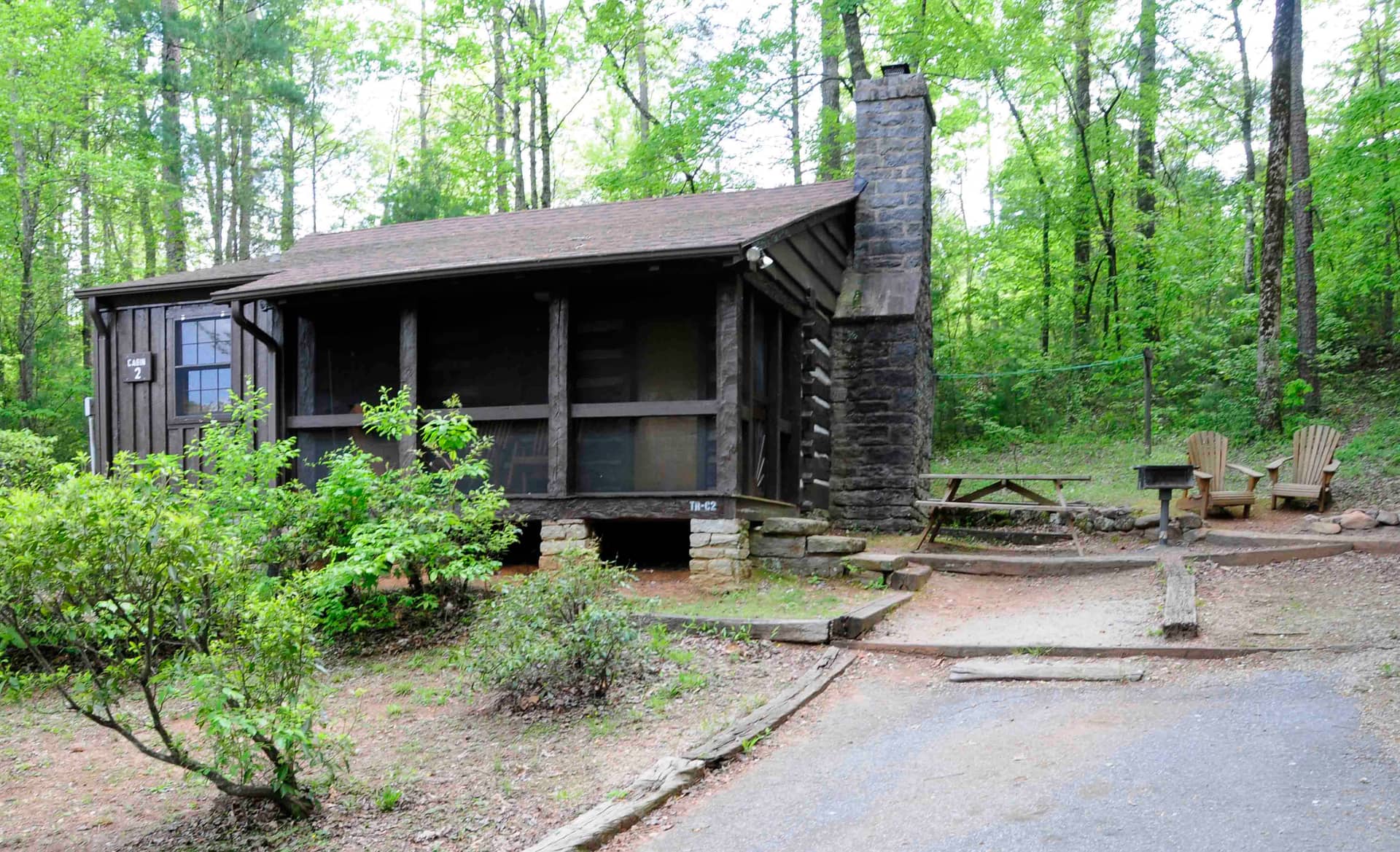
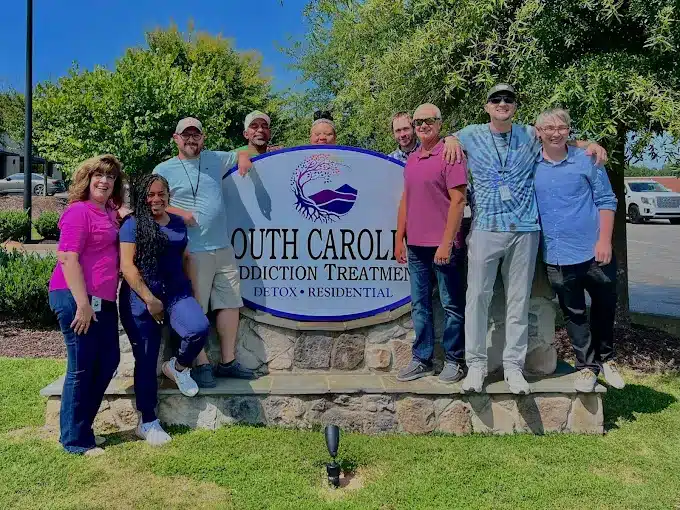
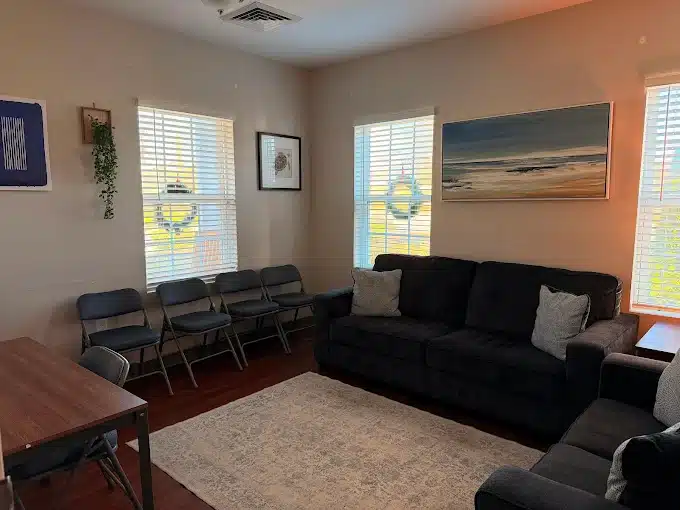
Take a Tour of Our Simpsonville Facility
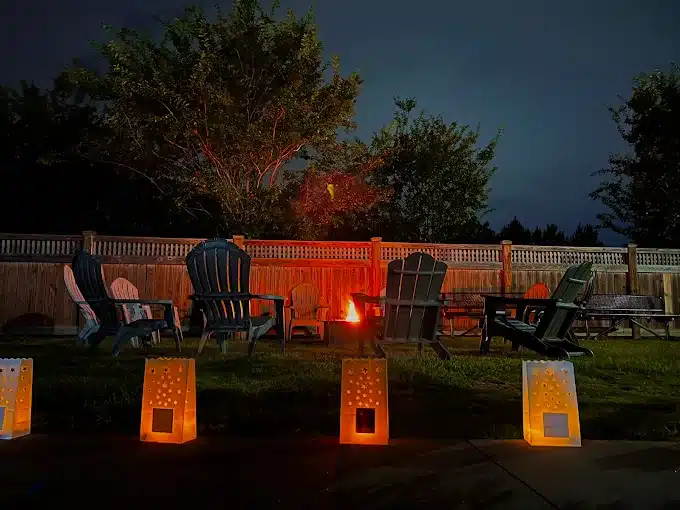
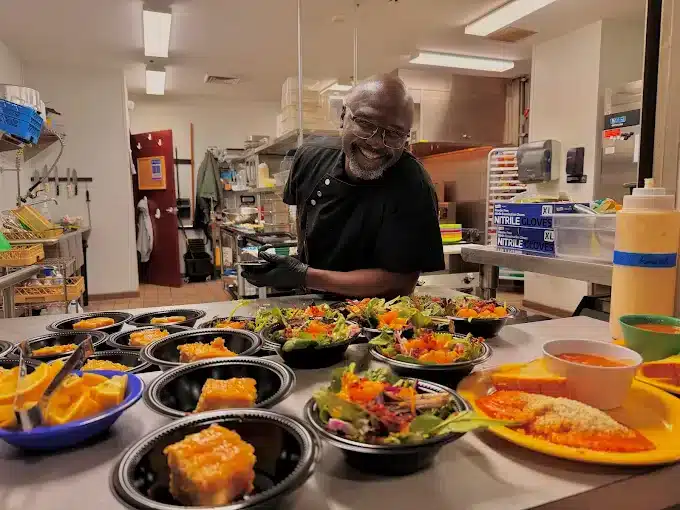
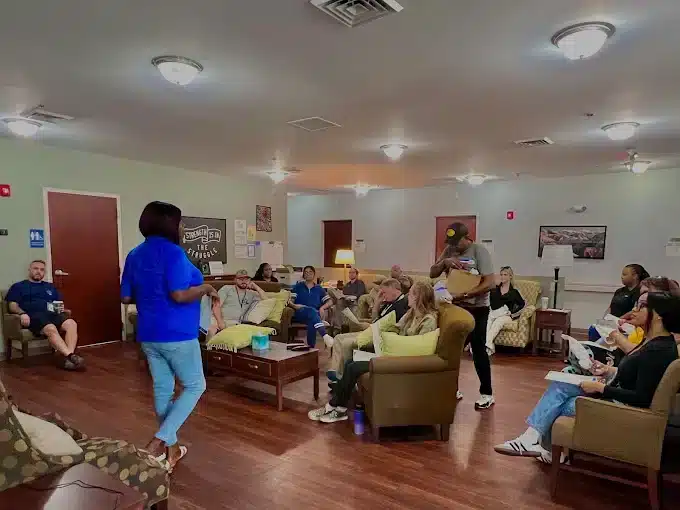
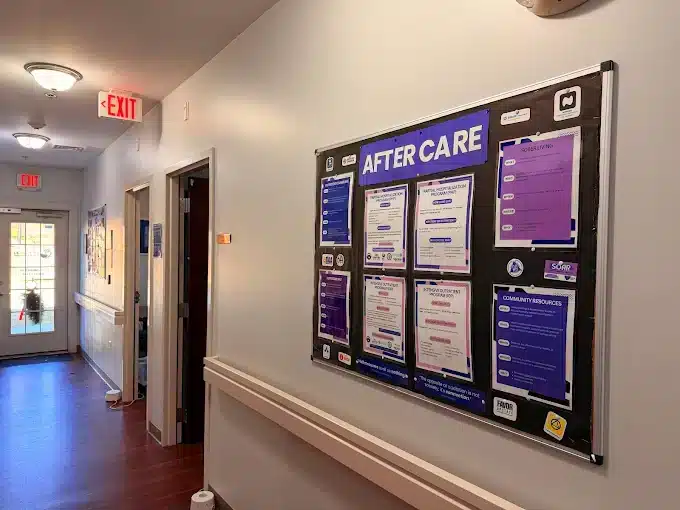
A calm, home-like setting designed for healing, from medically supervised detox through residential care.
Our Marijuana Treatment Admission Process
Call the confidential admissions line
A single confidential call to the admissions line starts the process, with a caring team ready to answer questions about marijuana treatment and what stabilization involves.
Insurance verification (VOB)
SCAT verifies benefits before a client ever arrives, confirming coverage through a verification of benefits so there are no financial surprises at the door.
Same-day arrival
When a bed is available, admission can happen the same day, so a client ready to stop using cannabis does not lose momentum waiting for care.
Intake and assessment
On arrival a behavioral health tech completes intake, and the Big Four assessments follow within 24 hours to guide comfortable, monitored stabilization.
Marijuana Treatment Led by an Experienced Team
South Carolina Addiction Treatment is led by an experienced behavioral health team focused on quality care and strong outcomes.
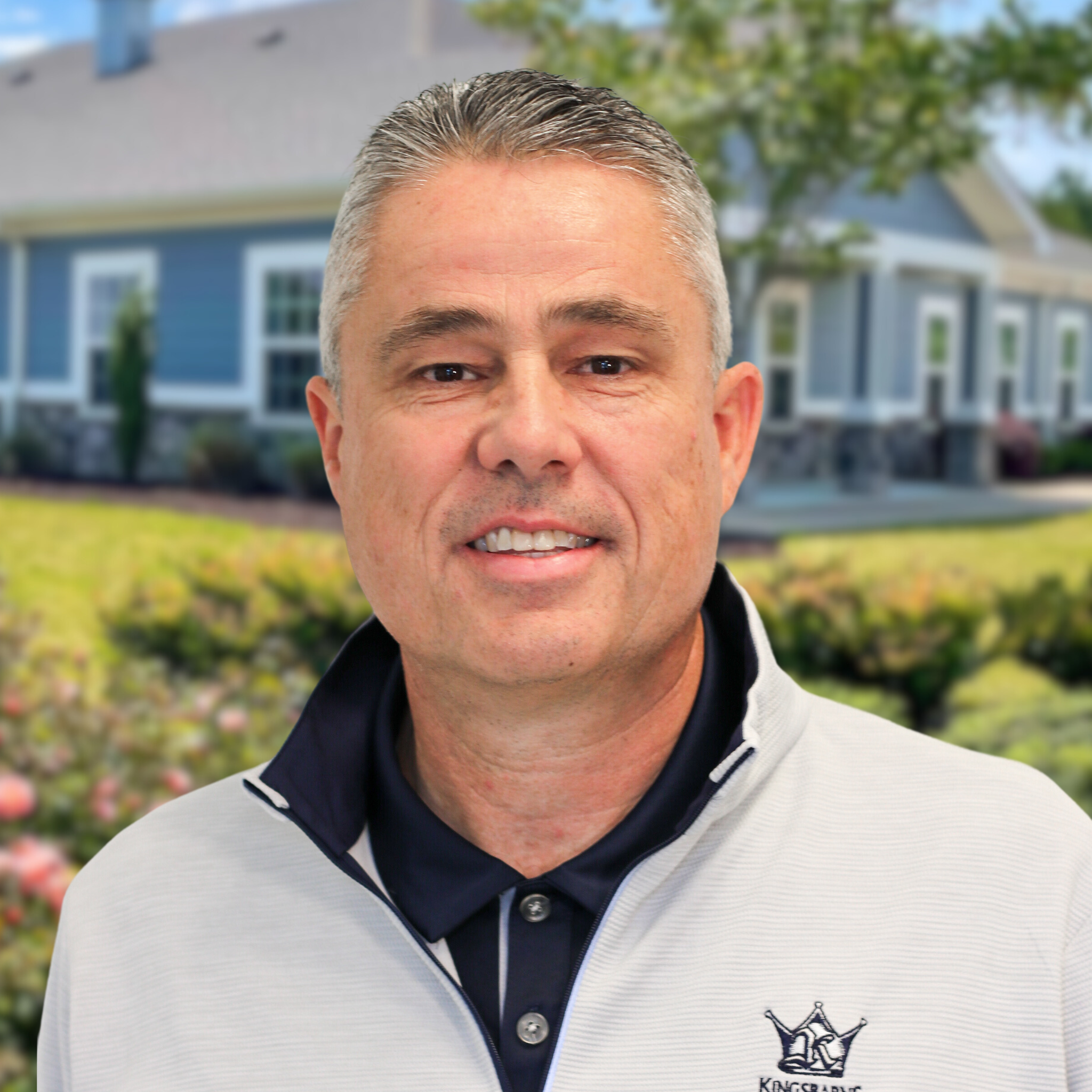
Chris Doyle
Managing Partner
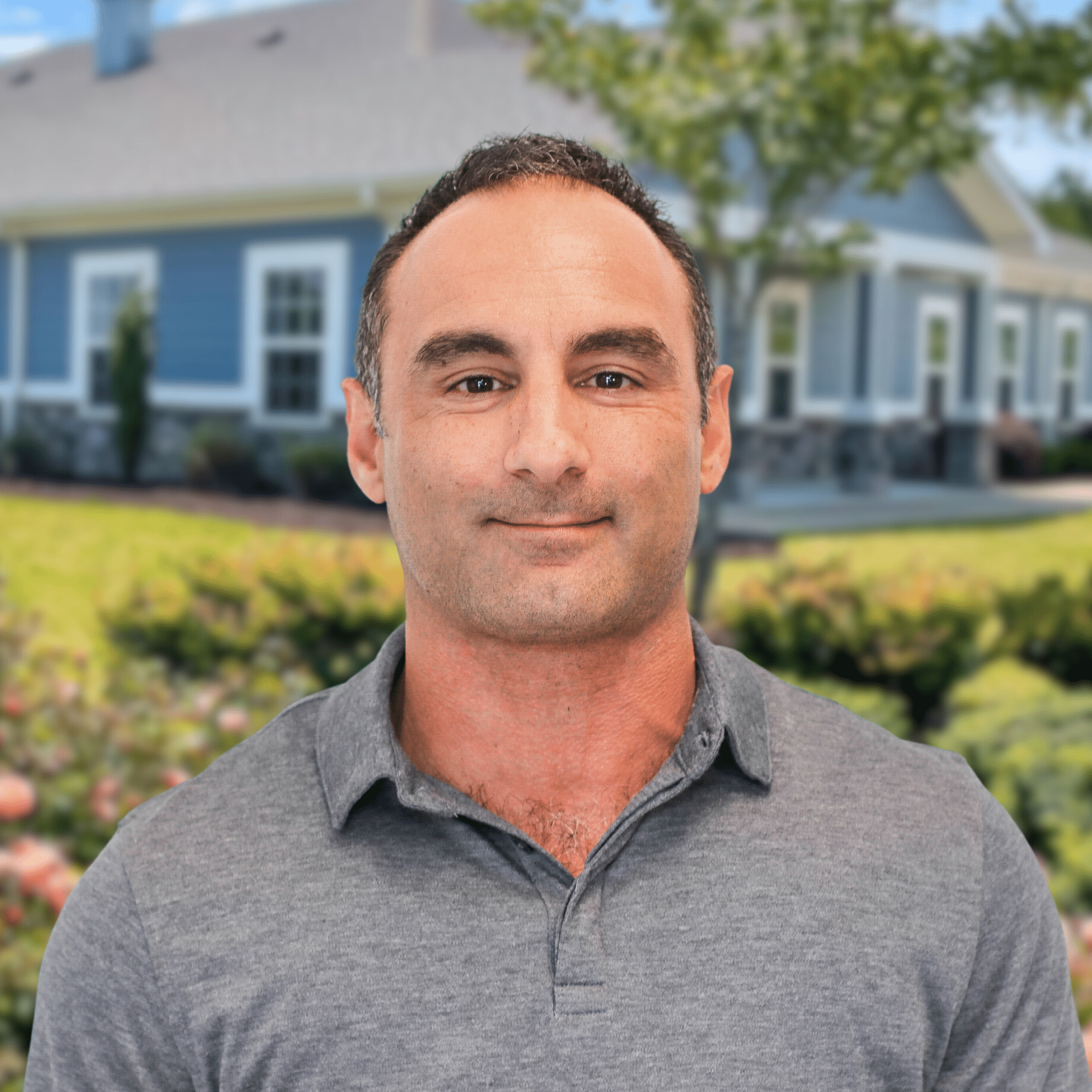
Russ Guccio
Chief Executive Officer

Taylor Hart
Chief Operating Officer

Ryan Ledoux
Executive Director (NC)
What are the common signs of Marijuana Use Disorder?
Cannabis use disorder often shows up through a mix of behavioral, cognitive, and emotional changes that become harder to hide as tolerance climbs with today's high-potency products.
Withdrawal when stopping
Irritability, trouble sleeping, appetite loss, and restlessness in the days after cutting back, a sign of dependence.
Rising tolerance
Needing more, or more potent products, to feel the same effect, and using throughout the day to feel normal.
Using more than intended
Using more often or in larger amounts than planned, and being unable to cut down despite repeated efforts.
Using despite harm
Continuing to use even as it affects motivation, memory, work, school, or mental health.
Pulling away
Losing interest in hobbies, family time, and goals that once mattered in favor of using.
Strain on relationships
Growing conflict with family, friends, or coworkers over use, and increasing isolation as it takes priority.
Marijuana Addiction in South Carolina
2,157
drug overdose deaths in South Carolina in 2023, a marker of the state's wider substance-use burden
SC Dept. of Public Health, 2023
76%
of South Carolina overdose deaths in 2023 involved an opioid, often alongside other substances
SC Dept. of Public Health, 2023
15.6%
of South Carolinians aged 12 or older reported using marijuana in the past year, the state's most commonly used illicit drug
SAMHSA, National Survey on Drug Use and Health, 2021
SCAT Outcomes & Results
The numbers below come from South Carolina Addiction Treatment's own clients, not national averages.
82%
of clients who admit to SCAT complete treatment
90%
of alumni contacted 90 days after completing treatment report as still sober
62%
decrease in withdrawal symptoms
58%
decrease in cravings to use
Based on SCAT client data, January 2025 to April 2026. Individual results vary.
How to help a loved one struggling with marijuana addiction
When a loved one is struggling to control marijuana use, families can take steady, informed steps that guide the person toward professional care.
Recognize the signs
Learn what problem cannabis use can look like, from constant use and rising tolerance to red eyes, memory lapses, low motivation, neglected responsibilities, and irritability when unable to use.
Start the conversation
Choose a calm, private moment to speak with honesty and concern, focusing on specific changes in mood, work, or relationships rather than dismissing marijuana as harmless.
Avoid harmful approaches
Steer clear of shaming, ultimatums without support, or arguing that cannabis cannot be addictive, since these approaches tend to shut the person down instead of opening a path to help.
Connect them with care
Reach out to SCAT to verify insurance, ask questions, and arrange same-day admission so a loved one can move from ambivalence into supportive, monitored care.
Addiction Treatment Insurance Providers We Work With
SCAT is in network with Aetna, Ambetter, Blue Cross Blue Shield, Cigna, Magellan, MedCost, and Molina. Verification of benefits, known as a VOB, is completed by phone before you arrive, so coverage is confirmed in advance of intake.







Don’t see your provider? We work with most national and regional insurers and can verify your specific plan instantly. We also offer self-pay options. Tricare, Medicaid, and Medicare not accepted.
Verify Your Benefits
Free, confidential, and takes about 60 seconds. An admissions counselor will follow up the same day.
Marijuana Treatment Across Simpsonville & South Carolina
South Carolina Addiction Treatment treats marijuana addiction at its Simpsonville campus, serving adults from across the Upstate and beyond. Care runs on site from medically supervised detox through residential stabilization, coordinated in one confidential call.
1187 Holland Rd, Simpsonville, SC 29681
Marijuana Addiction Treatment FAQs
Is marijuana really addictive?+
Does marijuana require medical detox?+
How long does marijuana withdrawal last?+
Does SCAT treat anxiety or depression alongside marijuana use?+
Does insurance cover marijuana treatment?+
What happens after the program?+
Marijuana recovery can start safely today
Our admissions team can arrange a confidential assessment and, when detox is appropriate, coordinate a safe same-day arrival at our Simpsonville facility.