Alcohol Addiction Treatment in Simpsonville, SC
South Carolina Addiction Treatment helps clients recover from alcohol use disorder, a treatable medical condition in which the brain adapts to heavy drinking and a person loses control over it. Because alcohol withdrawal can be life-threatening, care begins with medically supervised detox and 24/7 nursing, then moves into a residential stabilization week built around counseling and dual-diagnosis care. SCAT is a CARF-accredited, family owned detox and residential facility in Simpsonville, serving adults from across South Carolina.
Same-day admissions available. Our team verifies insurance and schedules intake, often the same day.
Free Insurance Verification
Benefits are verified confidentially and at no cost. This is not a guarantee of coverage.
Trusted & Verified Care
 CARF Accredited
 Licensed by SC Dept. of Public Health
 BBB Accredited, A+
Our Alcohol Rehab Reviews

What a wonderful experience! This was my first time in a long detoxing stay. They set you up for success and give you all the tools to prepare yourself for after care. An awesome staff that truly cares about you! The chefs are fantastic and they have plenty of snacks to eat. They give you all your medicine and therapy. There are too many people to thank! I highly recommend SCAT for your recovery.
Read on GoogleI had the best experience at South Carolina Addiction Treatment! This was my third time in a detox facility and it was by far the best and most loving community I have been apart of. The staff is outstanding. They really do care about their clients and want to see people recover and succeed in life. I have never been offered so much support and help like I did at S.C.A.T in my life. Please, if you feel like you need help and are thinking about going to a detox/ treatment facility, call S.C.A.T, you won’t regret it!
Read on GoogleI have been to drug treatment on three other occasions. When I arrived here, I was dealing with several different issues besides my drug problems. Kristine and Tammy help me through some very serious personal situations, as well as Amanda. I would highly recommend this facility. Because now I’m going to a longer treatment facility, which I have never done in my life, and if they hadn’t helped me, I wouldn’t have become the spiritual person that I’ve become now, which I was not before. And I love those three staff members for life.
Read on GoogleAlcohol Addiction Treatment Programs
Alcohol is one of the few substances where withdrawal itself can be dangerous, so care almost always begins with medically supervised detox before stepping into residential stabilization. South Carolina Addiction Treatment runs both on one Simpsonville campus, so clients move from detox into recovery without leaving the program.
Medically Supervised Detox
Alcohol withdrawal can bring seizures and delirium tremens, so every client begins with medically supervised detox. Addiction-trained nurses monitor symptoms around the clock and use comfort medications to keep withdrawal safe, then help each client step into the residential week or continuing care.
Inpatient Rehab
Inpatient rehab spans 14 days, opening with seven days of medically supervised alcohol detox and continuing into a seven-day residential stabilization week that includes three guaranteed individual counseling sessions, an optional family session, smaller breakout groups, and off-site recovery activities to rebuild routine and confidence.
Why Choose SCAT for Alcohol Addiction Treatment?
South Carolina Addiction Treatment pairs medically supervised alcohol detox with the personal attention of a small, family run program, so every client is stabilized safely and treated as a person rather than a bed number.
Family owned and operated
As South Carolina's only family owned and operated addiction treatment facility, SCAT brings the accountability and warmth of a family business to alcohol recovery, backed by the shared resources of Charlotte Carolina Recovery.
Medically supervised detox
Alcohol withdrawal can turn dangerous fast, with risks of seizures and delirium tremens, so SCAT nurses use CIWA scoring around the clock and comfort medications to keep each client safe through the hardest early days.
Small and personal, 16 beds
With a maximum of 16 beds and a roughly 3 to 1 staff ratio, the program stays intimate enough that clinicians know every client by name and can catch shifts in alcohol withdrawal before they escalate.
Integrated dual-diagnosis care
Heavy drinking often sits alongside depression, anxiety, or trauma, and SCAT treats those conditions together through integrated dual-diagnosis care rather than addressing the alcohol use in isolation.
Same-day, in-network admissions
SCAT offers same-day admissions and verifies insurance before arrival, and the facility is in network with Aetna, BCBS, Cigna, Molina, Ambetter, Magellan, and MedCost.
A family and community for life
Recovery does not end at discharge, so every graduate keeps a direct line to the alumni team and a place in the SOAR alumni community, a family for life long after the last drink.
What to Expect During Alcohol Treatment at SCAT
First 24 hours
Arrival and comprehensive assessment
Within the first 24 hours, an on-site behavioral health tech completes intake and the clinical team performs the Big Four assessments, nursing, biopsychosocial, history and physical, and psychiatric, while nurses begin CIWA-guided monitoring to gauge the severity of alcohol withdrawal.
Days 1-7
Medically supervised detox
Alcohol withdrawal is watched closely because seizures and delirium tremens are most likely early. Nurses provide around-the-clock monitoring and comfort medications so the acute phase is managed safely.
Days 8-14
Residential stabilization (Inpatient Rehab)
Once detox is complete, inpatient rehab clients move into residential stabilization for Days 8-14, a structured week of individual counseling, focused breakout groups, an optional family session, and off-site activities that help translate early sobriety into a workable daily plan.
Day 14+
Step-down and continuing care
At Day 14 and beyond, the team builds a step-down plan that may include a longer program, PHP, IOP, a MAT clinic, or an individual counselor, and helps arrange naltrexone or the monthly Vivitrol injection or acamprosate where clinically appropriate to protect against relapse.
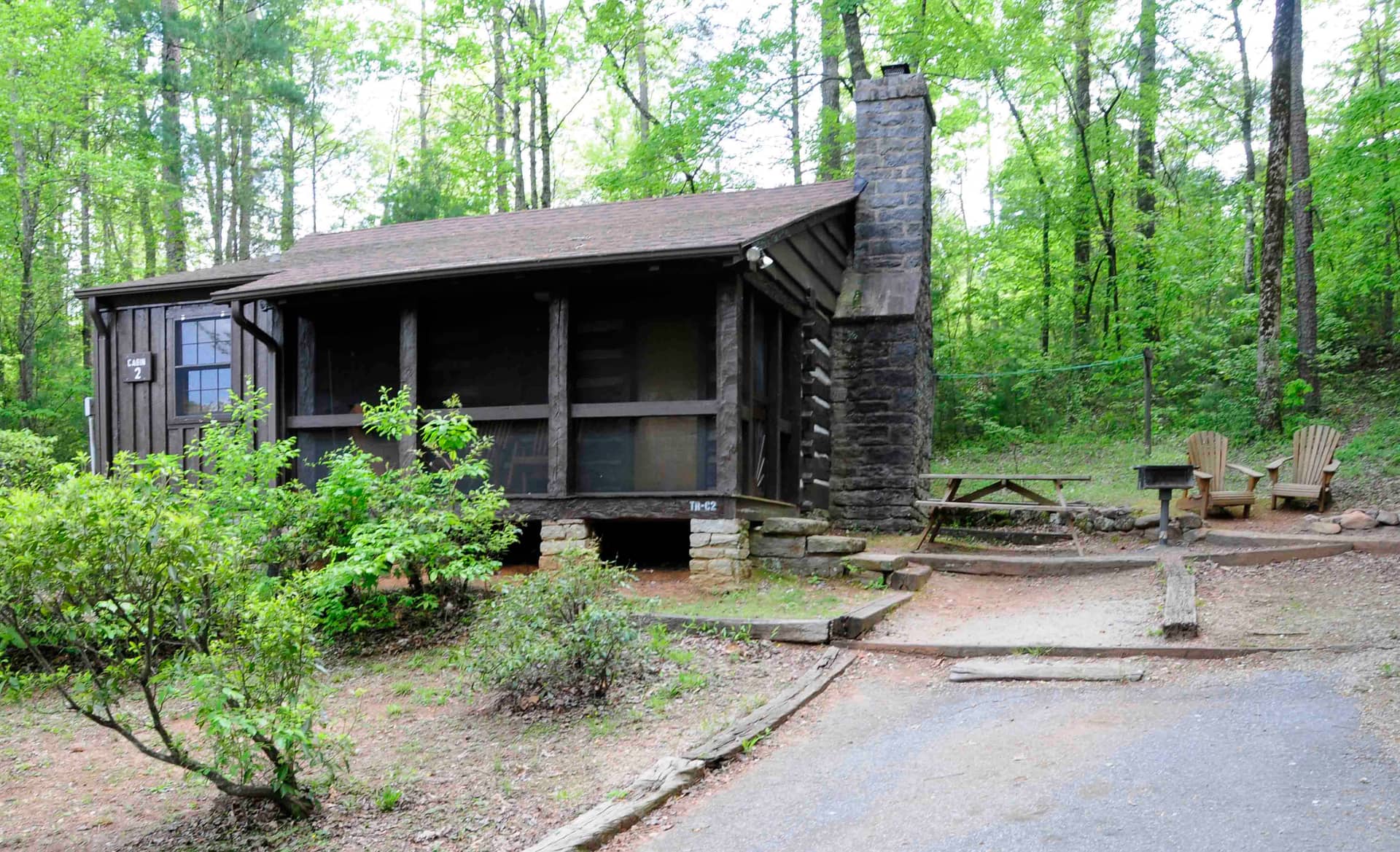
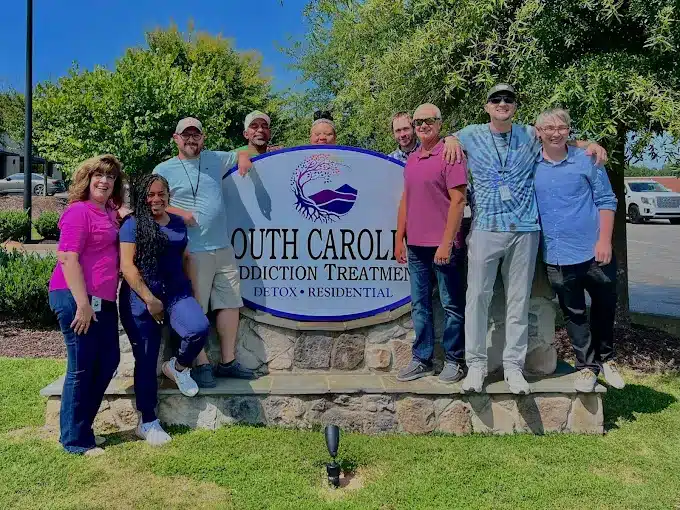
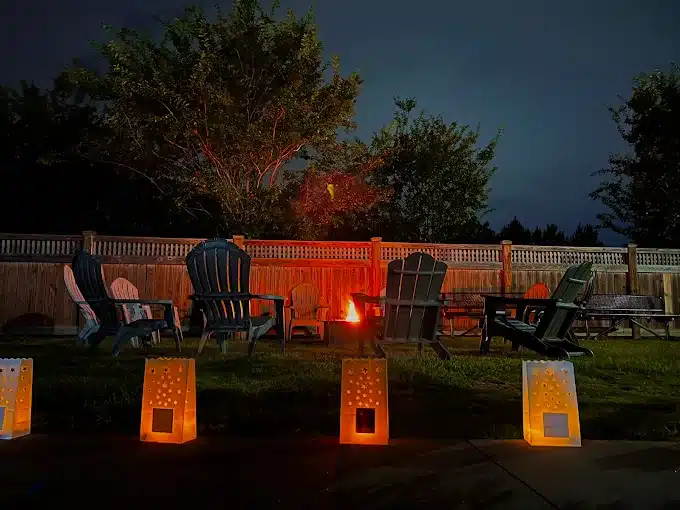
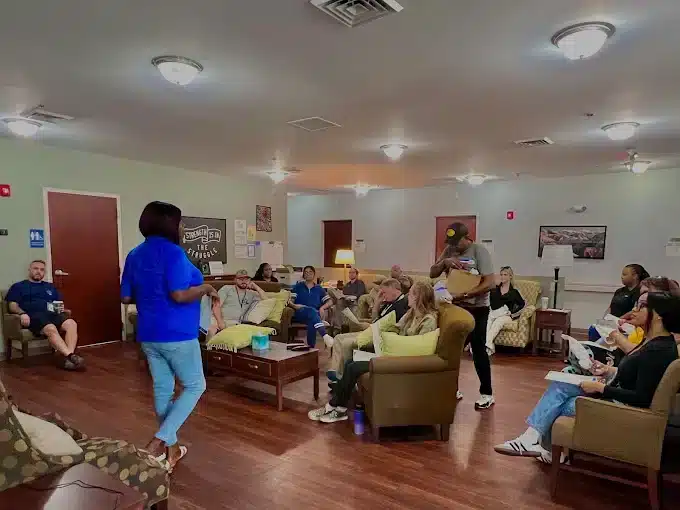
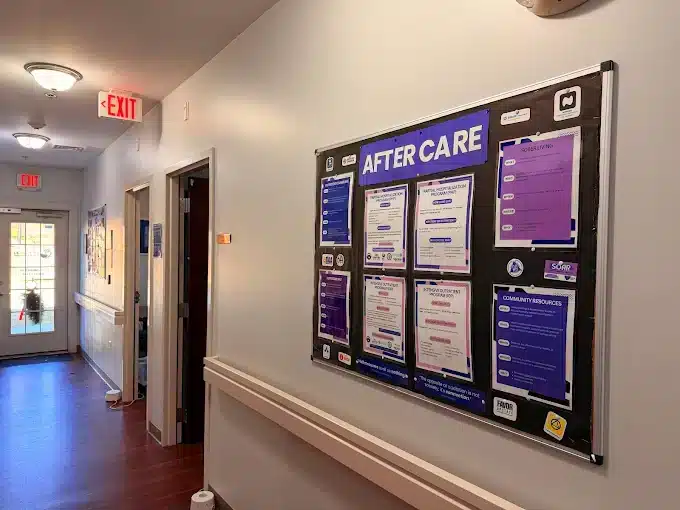
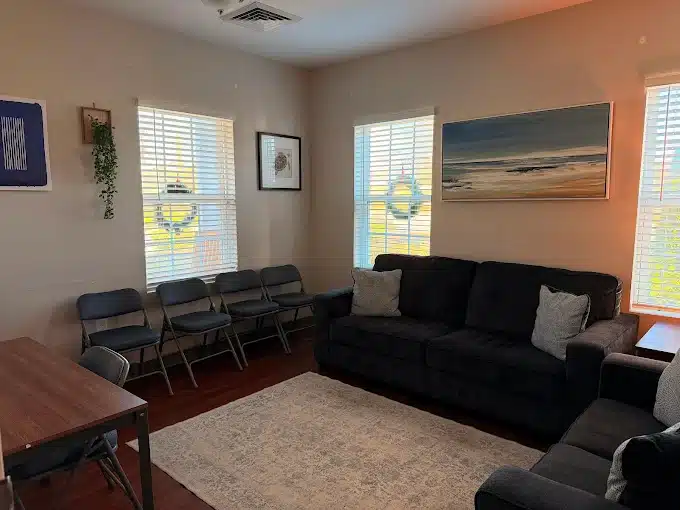
Take a Tour of Our Simpsonville Facility
A calm, home-like setting designed for healing, from medically supervised detox through residential care.

Our Alcohol Treatment Admission Process
Call the confidential admissions line
The first step is a call to the confidential admissions line, where a staff member listens, answers questions about alcohol detox, and explains what arriving at SCAT looks like.
Insurance verification (VOB)
Before anyone arrives, the admissions team runs a verification of benefits so each family understands coverage and out-of-pocket costs, with no surprises at the door.
Same-day arrival
Because alcohol withdrawal grows more dangerous the longer treatment is delayed, SCAT accepts same-day arrivals and can often begin medically supervised detox the day a client reaches out.
Intake and assessment
On arrival, a behavioral health tech handles intake and the clinical team completes the Big Four assessments within 24 hours to shape a detox plan built around each client's drinking history and health.
Alcohol Treatment Led by an Experienced Team
South Carolina Addiction Treatment is led by an experienced behavioral health team focused on quality care and strong outcomes.
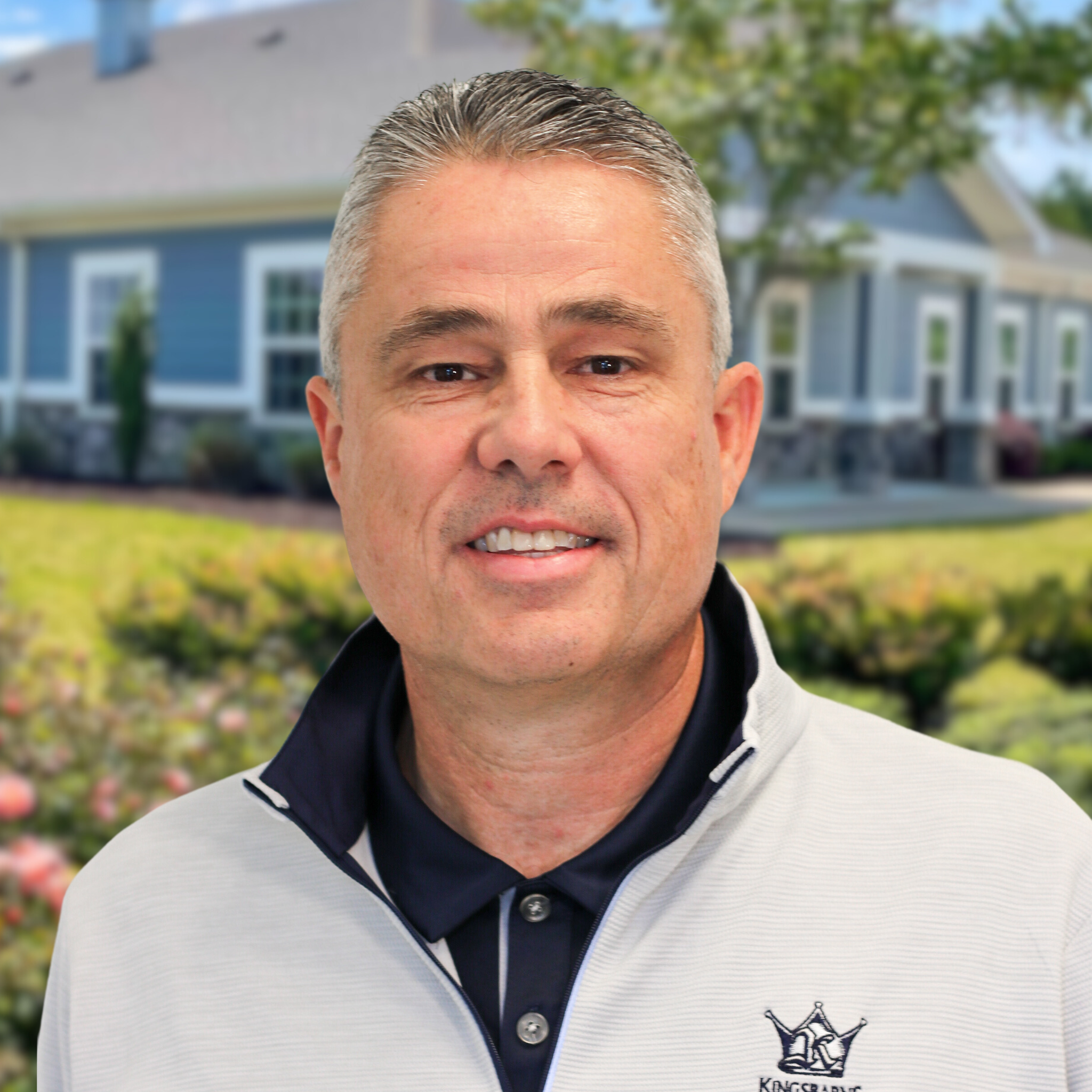
Chris Doyle
Managing Partner
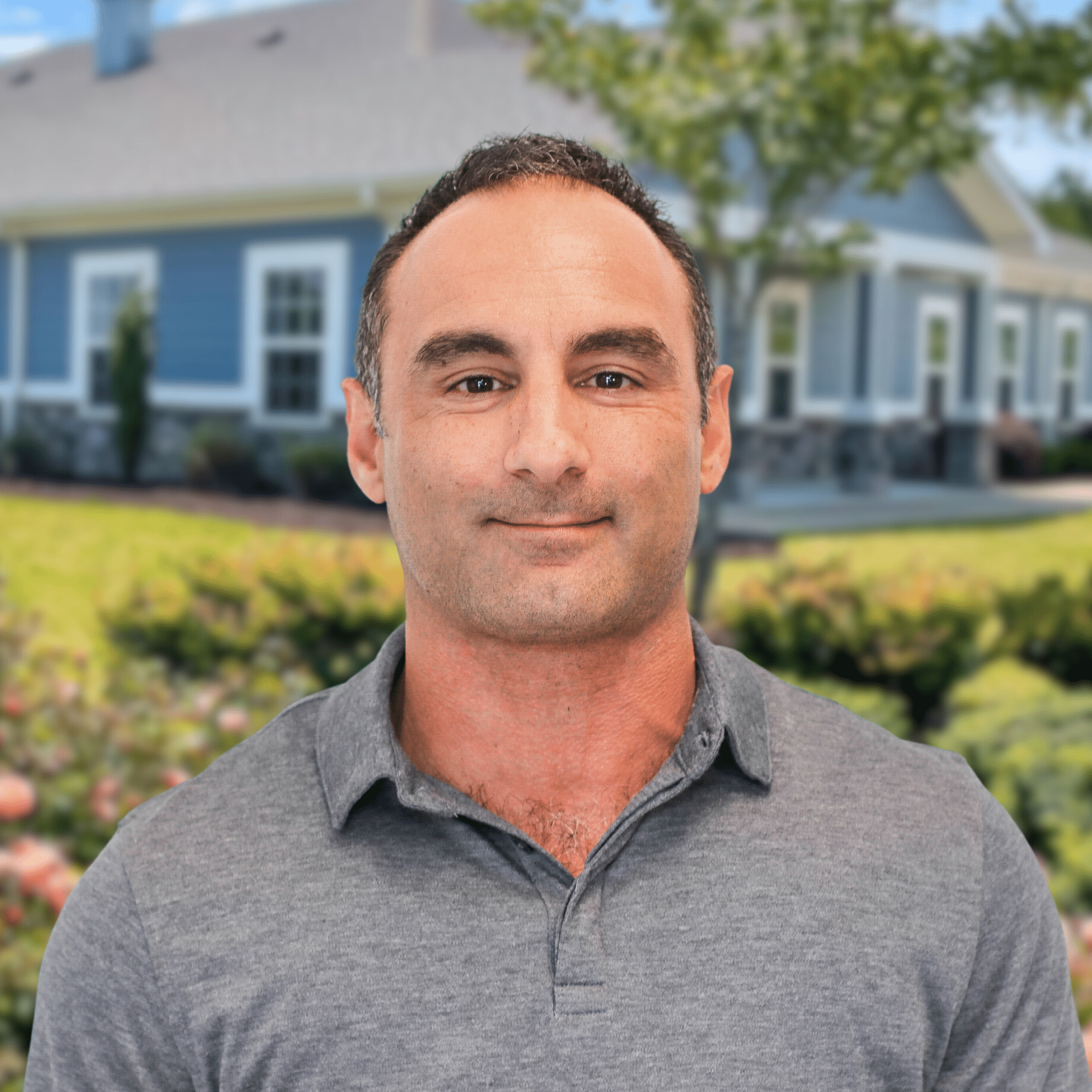
Russ Guccio
Chief Executive Officer
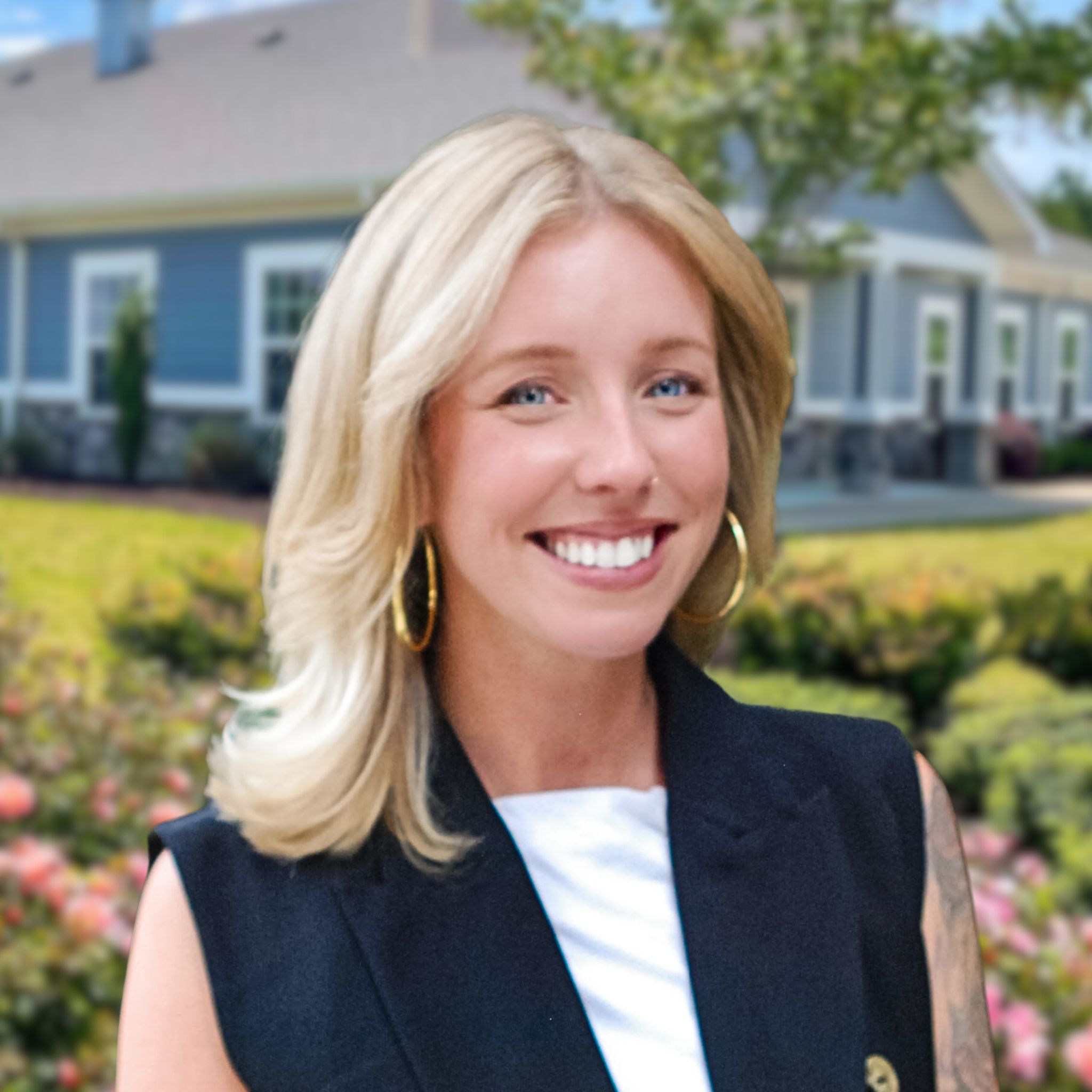
Taylor Hart
Chief Operating Officer
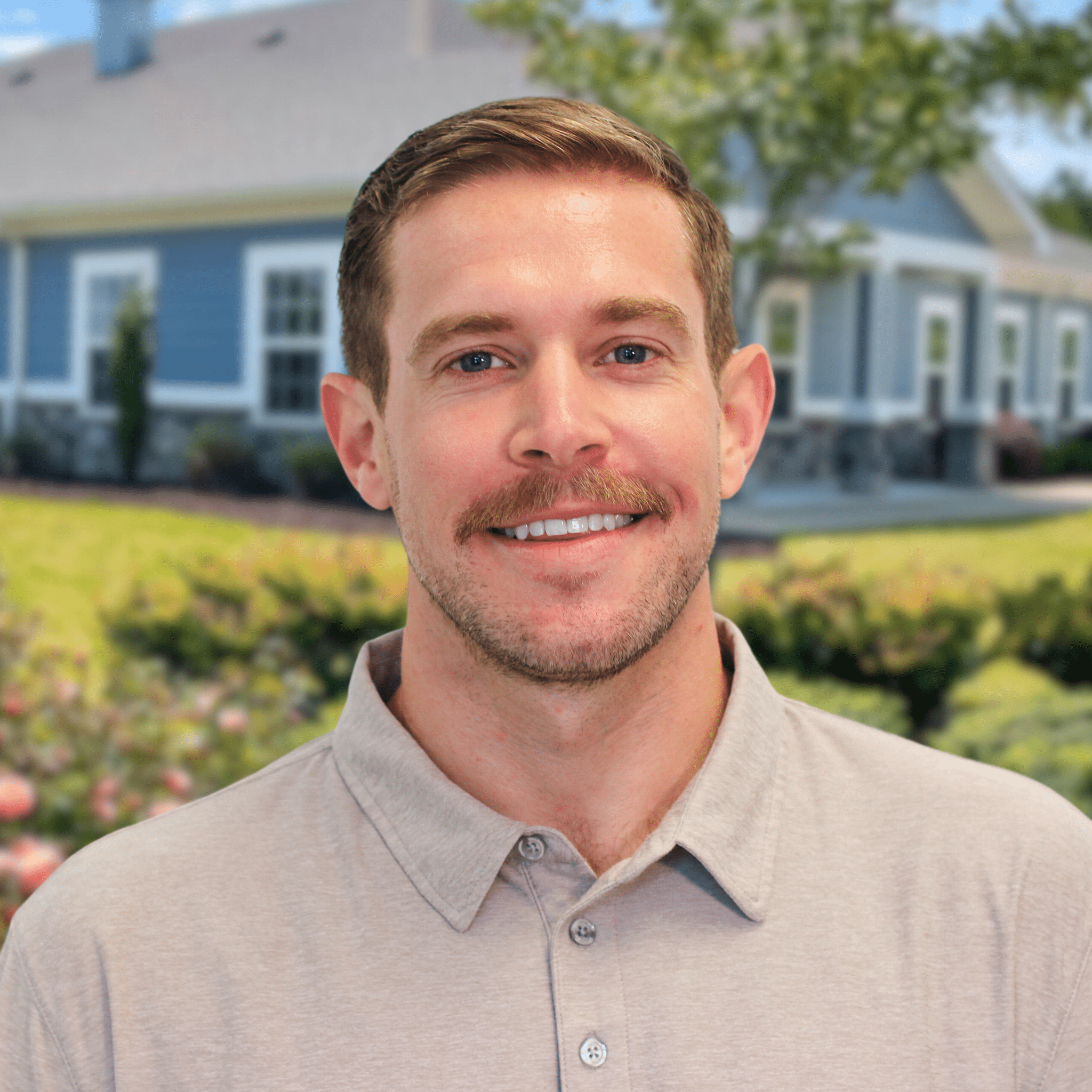
Ryan Ledoux
Executive Director (NC)
What are the common signs of Alcohol Use Disorder?
Alcohol use disorder often reveals itself through a mix of physical, behavioral, and emotional changes that grow harder to explain away over time.
Morning shakes and withdrawal
Feeling shaky, anxious, sweaty, or nauseated until the first drink, a signal of physical dependence and of a withdrawal that could be dangerous.
Rising tolerance
Needing more alcohol over time to feel the same effect as the body adapts to regular heavy drinking.
Drinking more than intended
Drinking longer or in larger amounts than planned, and being unable to cut down despite repeated efforts.
Drinking despite clear harm
Continuing to drink even as it damages health, work, finances, or relationships.
Pulling away from responsibilities
Giving up hobbies, family time, and activities that once mattered in favor of drinking or recovering from it.
Strain on relationships
Growing conflict with family, friends, or coworkers over drinking, and increasing isolation as it takes priority.
Alcohol Addiction in South Carolina
2,586
deaths a year in South Carolina are linked to excessive alcohol use
NCDAS, South Carolina
1 in 8
young adults in South Carolina has an alcohol use disorder
NCDAS, South Carolina
#1
South Carolina has the nation's highest rate of alcohol-impaired driving deaths (0.68 per 100 million miles driven vs. 0.38 national average)
NHTSA, 2023
SCAT Outcomes & Results
The numbers below come from South Carolina Addiction Treatment's own clients, not national averages.
82%
of clients who admit to SCAT complete treatment
90%
of alumni contacted 90 days after completing treatment report as still sober
49%
decrease in depression
34%
decrease in anxiety
Based on SCAT client data, January 2025 to April 2026. Individual results vary.
How to help a loved one struggling with alcohol addiction
When a loved one is struggling with alcohol, the right support from family can be the difference that opens the door to professional treatment.
Recognize the signs
Signs worth noting include drinking more or longer than intended, failed attempts to cut back, shakiness or sweating in the morning, and drinking to steady the nerves, all pointing toward alcohol use disorder.
Start the conversation
Choose a calm, sober moment to speak plainly and without blame, focusing on specific concerns and the wish to see a loved one healthy rather than on accusations.
Avoid harmful approaches
Alcohol withdrawal can be life-threatening, so no one should try to quit cold turkey alone at home; pushing a loved one to white-knuckle detox without medical care can trigger seizures or delirium tremens.
Connect them with care
The safest next move is connecting a loved one with medically supervised care, and SCAT's admissions team can verify insurance and coordinate a same-day arrival to make that handoff simple.
Addiction Treatment Insurance Providers We Work With
SCAT is in network with Aetna, Ambetter, Blue Cross Blue Shield, Cigna, Magellan, MedCost, and Molina. Verification of benefits, known as a VOB, is completed by phone before you arrive, so coverage is confirmed in advance of intake.







Don’t see your provider? We work with most national and regional insurers and can verify your specific plan instantly. We also offer self-pay options. Tricare, Medicaid, and Medicare not accepted.
Verify Your Benefits
Free, confidential, and takes about 60 seconds. An admissions counselor will follow up the same day.
Alcohol Treatment Across Simpsonville & South Carolina
South Carolina Addiction Treatment treats alcohol addiction at its Simpsonville campus, serving adults from across the Upstate and beyond. Care runs on site from medically supervised detox through residential stabilization, coordinated in one confidential call.
1187 Holland Rd, Simpsonville, SC 29681
Alcohol Addiction Treatment FAQs
Is it dangerous for a client to quit drinking alone?+
How long does alcohol detox take at SCAT?+
What medication is used for alcohol addiction?+
Does SCAT treat depression or anxiety alongside drinking?+
Does insurance cover alcohol treatment?+
What happens after detox?+
Alcohol recovery can start safely today
Our admissions team can arrange a confidential assessment and, when detox is appropriate, coordinate a safe same-day arrival at our Simpsonville facility.