Can You Overdose on Ambien?
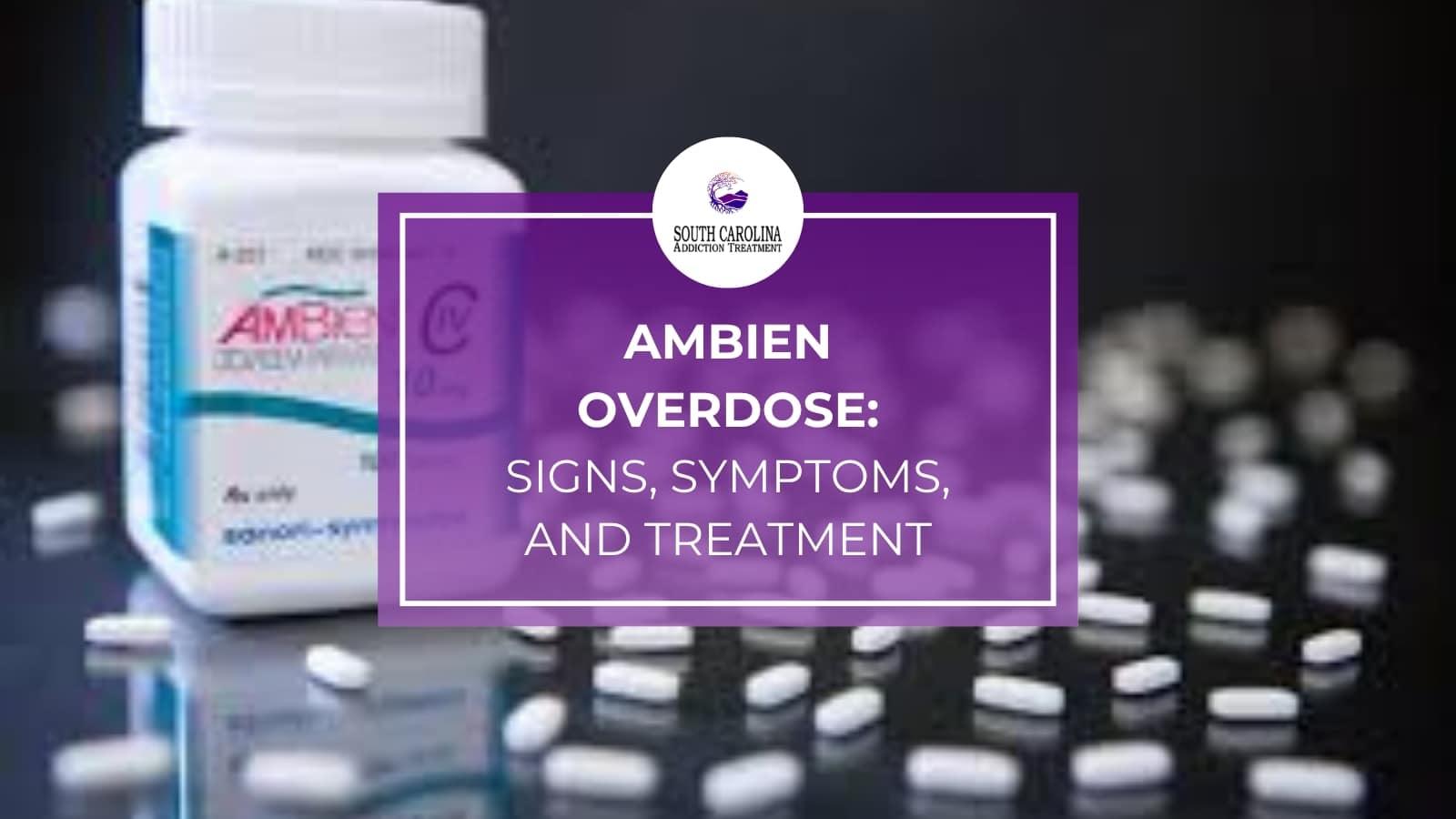
Ambien (zolpidem) overdose is possible and potentially fatal, particularly when combined with other central nervous system depressants including alcohol, opioids, or benzodiazepines.
A zolpidem overdose produces severe respiratory depression, profound sedation progressing to coma, and cardiovascular collapse that requires immediate emergency medical intervention.
The risk of fatal Ambien overdose from zolpidem alone is lower than with benzodiazepines or barbiturates, but it is not zero. Cases of lethal zolpidem monointoxication have been documented in medical literature, and the risk escalates dramatically with polysubstance use.
Key Takeaways
- Ambien (zolpidem) overdose is possible and has been documented as fatal in cases involving both monointoxication and polysubstance combinations, according to case reports published in forensic toxicology literature.
- The FDA issued a black box warning in 2023 requiring all zolpidem products to carry enhanced warnings about complex sleep behaviors (sleepwalking, sleep-driving, sleep-eating) that have resulted in serious injuries and deaths.
- According to SAMHSA, an estimated 3.5 million Americans misused prescription sedatives including zolpidem in the past year (2023 NSDUH).
- Combining Ambien with alcohol, opioids, or benzodiazepines produces additive CNS depression that dramatically lowers the fatal overdose threshold below the zolpidem-alone level.
- Zolpidem binds selectively to the alpha-1 subunit of the GABA-A receptor (the BZ1 receptor), producing sedation with less anxiolytic, anticonvulsant, and muscle relaxant activity than traditional benzodiazepines.
What Is Ambien and How Does It Work?
Ambien (zolpidem tartrate) is a non-benzodiazepine sedative-hypnotic that produces sleep by selectively activating the alpha-1 subunit of the GABA-A receptor complex in the brain's sleep-promoting circuits.
Pharmacological Profile
Zolpidem's receptor selectivity distinguishes it from benzodiazepines:
- BZ1 (omega-1) receptor selectivity: Zolpidem preferentially binds to the alpha-1 subunit of the GABA-A receptor, which mediates sedation. Traditional benzodiazepines bind non-selectively to alpha-1, alpha-2, alpha-3, and alpha-5 subunits, producing sedation plus anxiolysis, anticonvulsant effects, and muscle relaxation.
- DEA Schedule IV classification: The DEA classifies zolpidem as Schedule IV, indicating accepted medical use with lower (but real) potential for dependence compared to Schedule II and III substances.
- Formulations: Ambien (immediate-release), Ambien CR (extended-release), Edluar (sublingual), Intermezzo (sublingual for middle-of-the-night awakening), and Zolpimist (oral spray).
Pharmacokinetics
Zolpidem's absorption and elimination determine both therapeutic action and overdose risk:
- Rapid onset: Zolpidem reaches peak plasma concentration within 1.6 hours of oral ingestion, with sleep onset typically occurring within 15 to 30 minutes.
- Short half-life: Elimination half-life of approximately 2.5 hours for immediate-release and 2.8 hours for extended-release formulations.
- Hepatic metabolism: The liver metabolizes zolpidem primarily through CYP3A4 and CYP1A2 pathways into inactive metabolites. Impaired liver function significantly extends the half-life and overdose risk.
Ambien Overdose: How Much Is Too Much?
Zolpidem overdose severity depends on the amount consumed, co-ingested substances, and individual factors including age, liver function, and tolerance.
Overdose Threshold
The boundary between therapeutic and toxic zolpidem levels:
- Therapeutic dose: FDA-approved dosing is 5 mg for women and 5 to 10 mg for men (immediate-release), taken immediately before bedtime. The FDA lowered recommended female dosing in 2013 after research demonstrated that women metabolize zolpidem more slowly, producing higher morning blood levels.
- Toxic dose range: Ingestion of 200 to 400 mg of zolpidem (20 to 80 times the therapeutic dose) produces severe intoxication requiring medical intervention. Case reports document survival after ingestions exceeding 2,000 mg with aggressive supportive care.
- Fatal dose: Fatal zolpidem monointoxication has been documented at blood concentrations above 2.0 mg/L, though lethality depends heavily on individual factors and co-ingested substances.
Why Polysubstance Overdose Is the Primary Danger
The majority of Ambien-related fatalities involve co-ingestion:
- Alcohol combination: Alcohol and zolpidem both enhance GABA-A receptor function through different mechanisms, producing synergistic CNS depression that dramatically lowers the respiratory arrest threshold.
- Opioid combination: Opioids suppress brainstem respiratory drive through mu-opioid receptors while zolpidem suppresses arousal through GABA-A receptors, creating convergent respiratory depression from two independent mechanisms.
- Benzodiazepine combination: Combining zolpidem with benzodiazepines saturates GABA-A receptor binding sites across multiple subunits, producing profound sedation and respiratory depression at doses that would be survivable for either drug alone.
Signs and Symptoms of Ambien Overdose
Ambien overdose produces a predictable spectrum of CNS depression that progresses from excessive sedation to respiratory failure.
Common Overdose Symptoms
Moderate zolpidem overdose presents with:
- Extreme drowsiness: Sedation far exceeding normal therapeutic sleep, with difficulty arousing the individual through verbal or physical stimulation.
- Confusion and disorientation: Impaired cognition, slurred speech, and inability to maintain coherent thought or communication.
- Impaired coordination: Severe ataxia (unsteady gait), falling, and inability to perform basic motor tasks.
- Blurred or double vision: Visual disturbance reflecting CNS depression affecting oculomotor function.
Severe and Life-Threatening Symptoms
Severe overdose produces medical emergencies:
- Respiratory depression: Slow, shallow, or irregular breathing progressing to respiratory arrest. This is the primary mechanism of death in zolpidem overdose.
- Loss of consciousness progressing to coma: Unresponsive to all stimuli, with risk of aspiration if vomiting occurs.
- Cardiovascular depression: Hypotension (dangerously low blood pressure) and bradycardia (slow heart rate) reflecting profound CNS depression.
- Hypothermia: Core body temperature drops as thermoregulatory function fails.
Complex Sleep Behaviors
The FDA's 2023 black box warning addresses dangerous behaviors during zolpidem-induced sleep:
- Sleepwalking: Ambulatory behavior with no conscious awareness or subsequent memory.
- Sleep-driving: Operating a motor vehicle while not fully awake, documented as a cause of fatal traffic accidents.
- Sleep-eating: Consuming food (sometimes inappropriate or dangerous items) without awareness.
- Other complex behaviors: Making phone calls, having conversations, and engaging in sexual activity with no subsequent recall.
Who Is at Highest Risk for Ambien Overdose?
Specific populations face elevated risk for zolpidem overdose and adverse events.
Risk Factors
Variables that increase overdose vulnerability:
- Co-occurring substance use: Individuals simultaneously using alcohol, opioids, benzodiazepines, or other CNS depressants face dramatically elevated risk.
- Female sex: Women metabolize zolpidem approximately 45% more slowly than men, producing higher blood concentrations at equivalent doses. The FDA's sex-specific dosing recommendation directly reflects this pharmacokinetic difference.
- Elderly patients: Age-related declines in hepatic metabolism and increased CNS sensitivity produce higher effective drug exposure and greater adverse event risk in patients over 65.
- Hepatic impairment: Liver disease reduces CYP3A4 metabolic capacity, extending zolpidem's half-life and elevating plasma concentrations.
- Co-occurring mental health conditions: Individuals with depression, anxiety disorders, or suicidal ideation face higher risk for intentional overdose.
When Ambien Use Becomes Sedative Use Disorder
Ambien dependence develops through the same GABA-A receptor neuroadaptation that underlies benzodiazepine dependence.
How Dependence Develops
Zolpidem tolerance and dependence follow a predictable trajectory:
- Tolerance: Repeated nightly use produces pharmacodynamic tolerance within 2 to 4 weeks, requiring dose escalation to achieve the same sleep-promoting effect.
- Physical dependence: GABA-A receptor downregulation produces withdrawal symptoms (rebound insomnia, anxiety, tremor, seizure risk) upon abrupt discontinuation after chronic use.
- Behavioral indicators: Running out of prescriptions early, obtaining prescriptions from multiple providers, taking Ambien during waking hours for anxiolytic effects, and continued use despite memory blackouts or complex sleep behaviors.
DSM-5-TR Classification
The DSM-5-TR classifies problematic zolpidem use as Sedative, Hypnotic, or Anxiolytic Use Disorder when 2 or more of 11 diagnostic criteria are met within a 12-month period.
Ambien Withdrawal Timeline
- Phase 1 (12 to 24 hours): Rebound insomnia, anxiety, restlessness, and irritability emerge as GABA-A receptor function normalizes.
- Phase 2 (1 to 5 days): Peak withdrawal intensity produces insomnia, elevated heart rate, tremor, nausea, and in severe cases (particularly after high-dose or long-duration use), withdrawal seizures.
- Phase 3 (1 to 2 weeks): Symptoms gradually diminish. Rebound insomnia may persist for weeks as sleep architecture recovers.
- Phase 4 (2 to 4 weeks): Protracted insomnia and intermittent anxiety characterize the post-acute phase in a subset of chronic high-dose users.
Treatment at South Carolina Addiction Treatment
South Carolina Addiction Treatment provides medically supervised prescription drug detox and residential care for individuals with sedative dependence through its SCAT2Track program in Simpsonville, South Carolina.
Medical Detox (Track One)
Track One delivers 7-day medically supervised detoxification:
- Gradual taper protocol: The medical team led by Dr. Gergana Dimitrova, MD develops individualized tapering schedules to safely reduce zolpidem exposure while managing withdrawal symptoms including rebound insomnia, anxiety, and seizure risk.
- 24-hour monitoring: Licensed nursing staff monitor vital signs and withdrawal severity around the clock in a 16-bed CARF-accredited facility.
"Sedative withdrawal requires careful medical management because abrupt discontinuation from high-dose or long-duration use carries seizure risk similar to alcohol and benzodiazepine withdrawal. Our medical team uses individualized taper protocols that reduce the dose gradually while monitoring for breakthrough symptoms at every step."
— Allison Erskine, PA-C, Medical Provider, South Carolina Addiction Treatment
Residential Treatment (Track Two)
Track Two extends care to 14 total days with structured clinical programming:
- Sleep hygiene and CBT-I: In addition to standard addiction counseling, the clinical team addresses the underlying insomnia that frequently drives sedative misuse through cognitive behavioral therapy for insomnia (CBT-I) principles and sleep hygiene education.
- Aftercare coordination: The clinical case manager connects graduating clients with outpatient programming and sober living.
Frequently Asked Questions
Can you overdose on Ambien alone?
Fatal Ambien overdose from zolpidem alone is possible but less common than polysubstance overdose. Case reports document lethal monointoxication at blood concentrations above 2.0 mg/L. Survival has been documented after ingestions exceeding 2,000 mg with aggressive supportive care. The risk increases significantly in elderly patients and those with liver impairment.
How much Ambien does it take to overdose?
Ingestion of 200 to 400 mg of zolpidem (20 to 80 times the therapeutic dose) produces severe intoxication requiring medical intervention. When combined with alcohol, opioids, or benzodiazepines, the toxic threshold drops substantially because CNS depression compounds from multiple sources simultaneously.
What are the signs of Ambien overdose?
Ambien overdose signs include extreme drowsiness unresponsive to stimulation, slurred speech, severe confusion, impaired coordination, slow or shallow breathing, blue-gray skin discoloration, cardiovascular depression (low blood pressure, slow heart rate), hypothermia, and loss of consciousness progressing to coma.
Can you take Ambien with alcohol?
Combining Ambien with alcohol is extremely dangerous and explicitly contraindicated by the FDA. Both substances enhance GABA-A receptor function through different mechanisms, producing synergistic CNS depression. This combination dramatically increases the risk of respiratory depression, aspiration, complex sleep behaviors, and death.
Is Ambien addictive?
Ambien produces physical dependence through GABA-A receptor neuroadaptation with chronic nightly use. Tolerance develops within 2 to 4 weeks, and withdrawal symptoms (rebound insomnia, anxiety, seizure risk) occur upon abrupt discontinuation. The DSM-5-TR classifies problematic zolpidem use as Sedative, Hypnotic, or Anxiolytic Use Disorder.
How long does it take to overdose on Ambien?
Zolpidem reaches peak plasma concentration within 1.6 hours of oral ingestion. Overdose symptoms develop within 30 to 90 minutes of a toxic dose. Respiratory depression may progress to respiratory arrest within 2 to 4 hours in severe cases, particularly when other CNS depressants are co-ingested.
What is the treatment for Ambien overdose?
Ambien overdose treatment is primarily supportive: airway management, assisted ventilation, hemodynamic monitoring, and IV fluids. Flumazenil (a benzodiazepine receptor antagonist) reverses zolpidem's sedative effects but carries seizure risk in chronic users and is used cautiously. Activated charcoal may reduce absorption if administered within 1 to 2 hours of ingestion.
What are Ambien's complex sleep behaviors?
The FDA's 2023 black box warning covers sleepwalking, sleep-driving, sleep-eating, making phone calls, having sexual activity, and other complex behaviors performed during zolpidem-induced sleep with no conscious awareness and no subsequent memory. These behaviors have resulted in serious injuries and deaths.
References
- U.S. Food and Drug Administration. (2023). Zolpidem (Ambien) prescribing information with black box warning [Drug label]. https://dailymed.nlm.nih.gov/dailymed/
- Drug Enforcement Administration. (2024). Benzodiazepines drug fact sheet. U.S. Department of Justice. https://www.dea.gov/factsheets/benzodiazepines
- Substance Abuse and Mental Health Services Administration. (2024). Key substance use and mental health indicators in the United States: Results from the 2023 NSDUH. https://www.samhsa.gov/data/report/2023-nsduh-annual-national-report
- National Institute on Drug Abuse. (2024). Prescription CNS depressants DrugFacts. https://nida.nih.gov/publications/drugfacts/prescription-cns-depressants
- Gunja, N. (2013). The clinical and forensic toxicology of Z-drugs. Journal of Medical Toxicology, 9(2), 155-162.
- American Psychiatric Association. (2022). Diagnostic and statistical manual of mental disorders (5th ed., text rev.). American Psychiatric Publishing.
- Greenblatt, D. J., & Roth, T. (2012). Zolpidem for insomnia. Expert Opinion on Pharmacotherapy, 13(6), 879-893.