Can You Overdose on Weed?
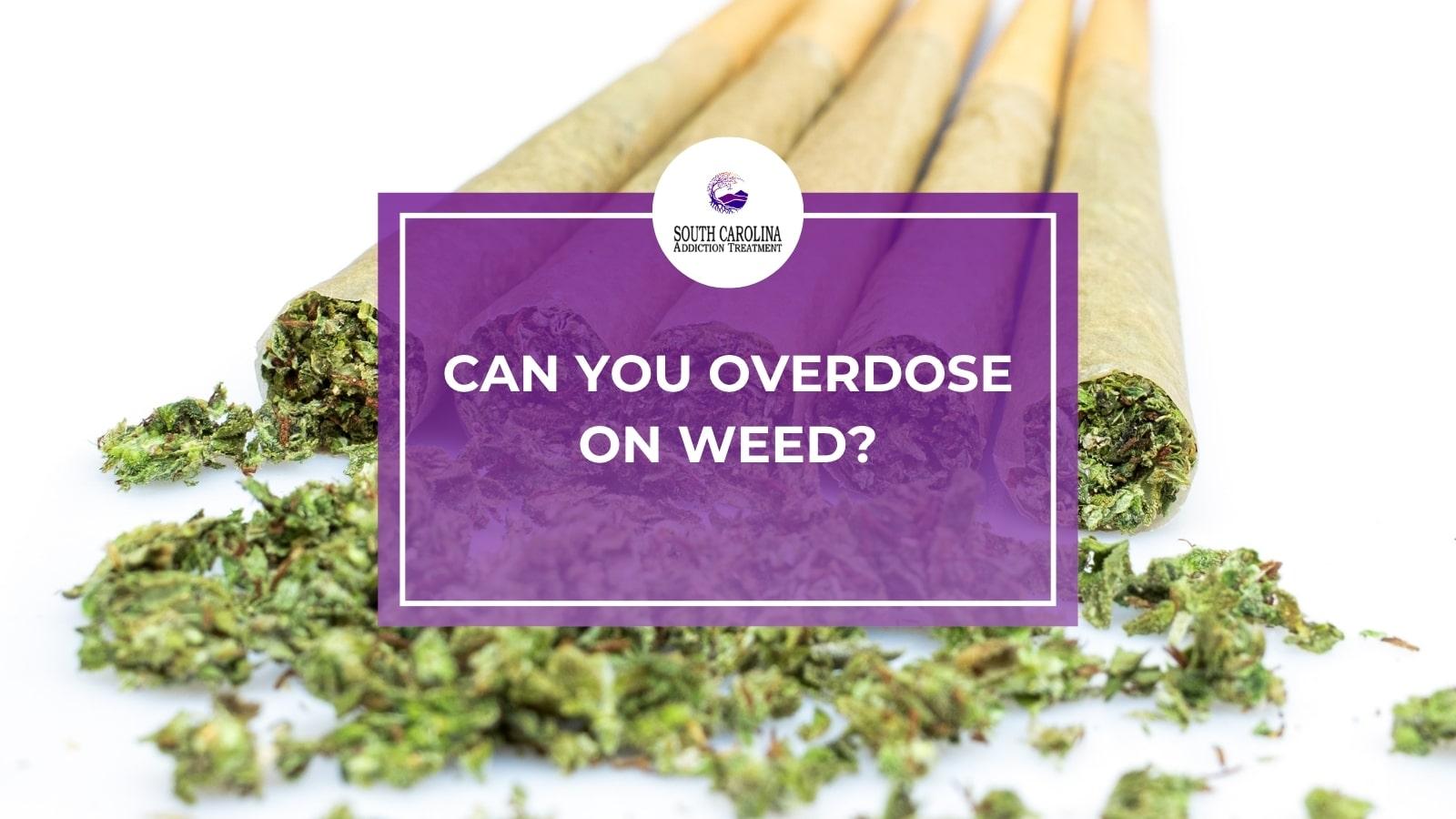
A fatal marijuana overdose from THC alone has never been documented in medical literature. No confirmed deaths have been attributed exclusively to cannabis toxicity in humans.
However, cannabis intoxication produces real medical emergencies including cannabinoid hyperemesis syndrome, cannabis-induced psychosis, severe anxiety attacks, and dangerous impairment that leads to fatal accidents.
The distinction between "you cannot fatally overdose on marijuana" and "marijuana use carries no serious health risks" is critical. The first statement is supported by evidence. The second is false.
Key Takeaways
- No confirmed human death has been attributed exclusively to THC toxicity, according to the DEA and CDC. The estimated lethal dose of THC in humans would require consuming approximately 20,000 to 40,000 times the amount in a standard joint within a very short timeframe.
- According to SAMHSA's 2023 NSDUH, approximately 61.9 million Americans aged 12 or older used marijuana in the past year, making cannabis the most widely used federally illicit substance.
- Cannabis-induced psychosis produces paranoid delusions, hallucinations, and disorganized thinking in susceptible individuals, with risk increasing proportionally to THC potency and frequency of use.
- Cannabinoid hyperemesis syndrome (CHS) produces cyclical severe vomiting, abdominal pain, and compulsive hot-water bathing in chronic heavy cannabis users, sometimes requiring emergency hospitalization.
- The DSM-5-TR recognizes Cannabis Use Disorder as a diagnosable condition, with approximately 16.2 million Americans meeting diagnostic criteria in 2023.
What Happens When You Consume Too Much THC?
Consuming more THC than the body can comfortably process produces a spectrum of dose-dependent effects ranging from uncomfortable anxiety to acute psychosis, depending on the amount consumed, the method of consumption, and individual sensitivity.
How THC Produces Intoxication
THC produces its effects through cannabinoid receptor activation:
- CB1 receptor agonism: Delta-9-tetrahydrocannabinol (THC) binds to CB1 cannabinoid receptors concentrated in the hippocampus, amygdala, basal ganglia, and prefrontal cortex, disrupting normal neurotransmitter signaling across these regions.
- Dose-dependent response curve: Low to moderate THC doses produce relaxation, euphoria, and altered sensory perception. Higher doses overwhelm CB1 receptor signaling capacity, producing anxiety, paranoia, tachycardia, and in susceptible individuals, psychotic symptoms.
- Edible-specific risk: Orally consumed THC undergoes hepatic first-pass metabolism, converting to 11-hydroxy-THC, a metabolite with greater blood-brain barrier permeability and longer duration of action. This delayed onset (30 to 120 minutes) frequently causes users to consume additional doses before the first dose takes effect, producing severe overconsumption.
Why a Fatal THC Overdose Is Essentially Impossible
The pharmacological profile of THC makes lethal overdose from cannabis alone virtually unachievable:
- Absence of brainstem CB1 receptors: Unlike opioid receptors, CB1 cannabinoid receptors are largely absent from the brainstem regions controlling respiration and cardiovascular function. THC therefore does not produce the respiratory depression that makes opioid and alcohol overdose fatal.
- Theoretical lethal dose: Animal studies extrapolate the theoretical lethal dose of THC in humans to approximately 15 to 70 grams consumed within a very short timeframe. A typical cannabis joint contains approximately 0.3 to 0.5 grams of THC, making the lethal threshold physically unachievable through any normal consumption method.
Symptoms of Too Much THC
Cannabis overconsumption produces distinct physical and psychological symptoms that, while rarely life-threatening, can feel extremely distressing and may require medical attention.
Common Overconsumption Symptoms
Mild to moderate THC overconsumption produces predictable symptoms:
- Severe anxiety and paranoia: The most frequently reported symptom of cannabis overconsumption. CB1 receptor overstimulation in the amygdala produces intense fear, suspicion, and a sense of impending doom that can last 2 to 6 hours.
- Tachycardia: THC increases heart rate by 20 to 50 beats per minute within 10 minutes of inhalation, persisting for 2 to 3 hours. This cardiovascular response is the primary driver of cannabis-related emergency department visits.
- Nausea and vomiting: High-dose THC stimulates the emetic response, producing nausea and vomiting particularly common with edible overconsumption.
- Impaired coordination and judgment: Motor function, reaction time, and decision-making capacity are significantly compromised, creating risk for falls, vehicle accidents, and other injury.
Severe Symptoms Requiring Medical Attention
Severe cannabis reactions produce symptoms that mimic medical emergencies:
- Cannabis-induced psychosis: High-potency THC triggers acute psychotic episodes with paranoid delusions, auditory or visual hallucinations, and disorganized thinking in genetically susceptible individuals. Research published in The Lancet Psychiatry demonstrated that daily use of high-potency cannabis (THC above 10%) increases psychosis risk fivefold compared to non-use.
- Cannabinoid hyperemesis syndrome (CHS): Chronic heavy cannabis users develop cyclical episodes of severe nausea, intractable vomiting, and abdominal pain that are paradoxically relieved only by hot water bathing. CHS requires emergency department treatment for dehydration and electrolyte imbalance.
- Cardiovascular events: THC-induced tachycardia and blood pressure fluctuations trigger myocardial infarction, arrhythmia, and stroke in individuals with pre-existing cardiovascular risk factors. Case reports document acute coronary syndrome in young adults following cannabis use.
- Panic attacks: Intense, acute panic episodes produce chest tightness, hyperventilation, derealization, and a conviction of imminent death that frequently drives emergency department visits.
Long-Term Risks of Chronic Cannabis Use
Extended cannabis use produces cumulative neurological and psychological consequences:
- Cannabis Use Disorder: The DSM-5-TR recognizes CUD as a diagnosable condition. SAMHSA estimates approximately 16.2 million Americans met criteria in 2023. Approximately 1 in 10 cannabis users develops CUD, rising to 1 in 6 among those who begin use before age 18.
- Adolescent brain development impact: Chronic cannabis use during adolescence disrupts prefrontal cortex maturation, producing measurable deficits in working memory, attention, and executive function that may persist into adulthood. Researcher Madeline Meier's longitudinal study demonstrated persistent IQ decline in individuals who began heavy cannabis use before age 18.
- Amotivational syndrome: Chronic THC exposure reduces dopamine signaling in the striatum, producing the motivational deficits, apathy, and reduced goal-directed behavior commonly described by long-term heavy users.
- Respiratory damage: Chronic cannabis smoking produces bronchitis, airway inflammation, and impaired pulmonary function similar to tobacco smoke exposure, though the lung cancer link remains less clearly established.
Cannabis-Related Emergency Department Visits
Cannabis-related emergency visits have increased significantly, driven by higher-potency products and edible overconsumption.
What Brings People to the Emergency Room
The most common cannabis-related presentations:
- Acute anxiety and panic: The majority of cannabis-related ED visits involve intense anxiety, tachycardia, and the subjective belief that something is medically wrong. These episodes resolve within hours with supportive care.
- Edible overconsumption: Edible THC products produce the highest rate of ED visits per dose because delayed onset (30 to 120 minutes) drives additional consumption before effects manifest.
- Pediatric accidental ingestion: Children who consume cannabis edibles (gummies, chocolates, baked goods) represent a growing emergency population, with symptoms including lethargy, ataxia, and respiratory depression requiring medical monitoring.
- CHS episodes: Severe dehydration and electrolyte imbalance from prolonged CHS vomiting require IV fluid resuscitation and antiemetic treatment.
When Cannabis Use Becomes a Disorder
Cannabis use transitions from recreational to clinically diagnosable when it meets DSM-5-TR criteria for Cannabis Use Disorder.
DSM-5-TR Diagnostic Criteria
CUD is diagnosed when 2 or more of 11 criteria are present within a 12-month period:
- Impaired control indicators: Using more than intended, unsuccessful efforts to reduce use, excessive time spent obtaining or using cannabis, craving.
- Social impairment indicators: Failure to fulfill major obligations, continued use despite interpersonal problems, giving up important activities.
- Risky use indicators: Use in hazardous situations, continued use despite physical or psychological harm.
- Pharmacological indicators: Tolerance (needing more for same effect), withdrawal (irritability, insomnia, anxiety, decreased appetite upon cessation).
Cannabis Withdrawal Syndrome
Cannabis withdrawal is recognized in the DSM-5-TR and produces clinically significant symptoms:
- Onset: 24 to 72 hours after last use in chronic daily users.
- Symptoms: Irritability, anxiety, insomnia, decreased appetite, restlessness, depressed mood, and physical discomfort including abdominal pain, tremor, and sweating.
- Duration: Peak severity at 2 to 6 days, resolving within 1 to 2 weeks in most individuals.
Treatment at South Carolina Addiction Treatment
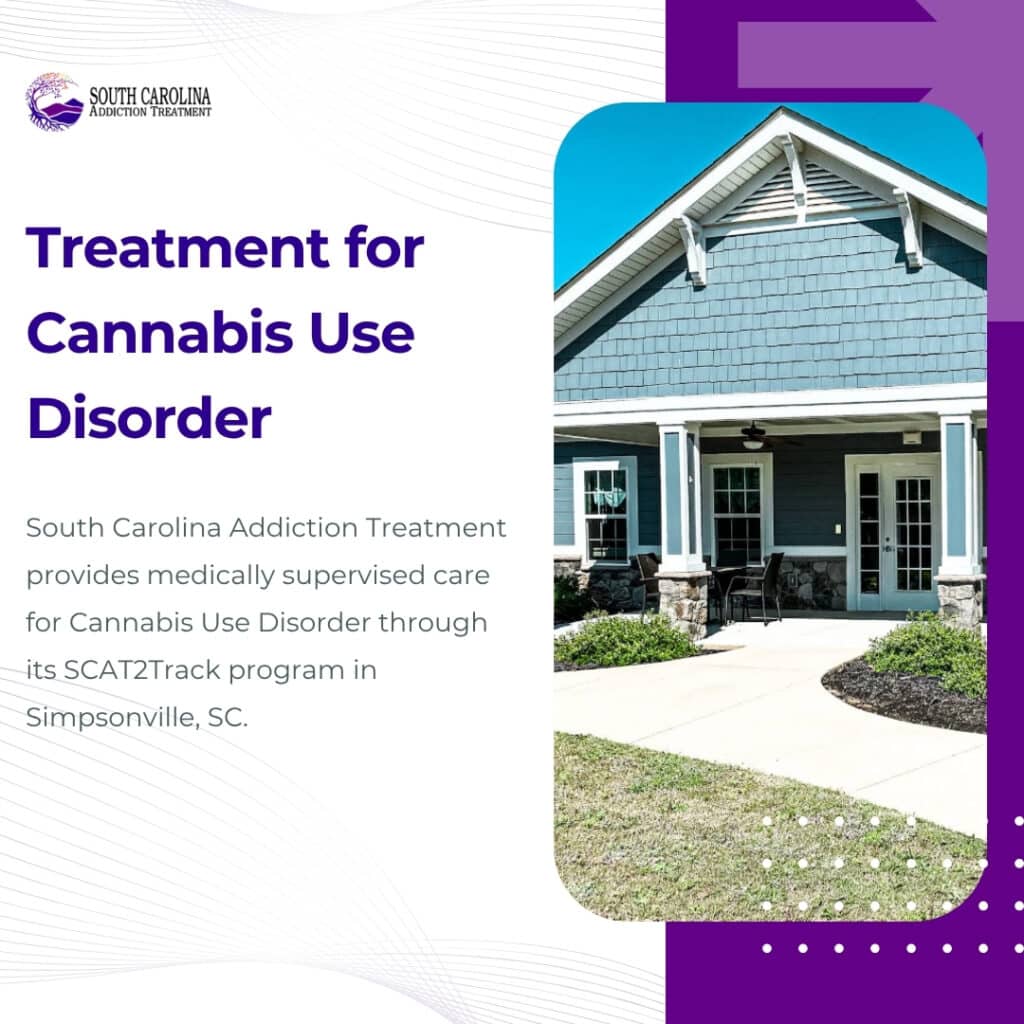
South Carolina Addiction Treatment provides medically supervised care for individuals with Cannabis Use Disorder through its SCAT2Track program in Simpsonville, South Carolina.
Medical Detox (Track One)
Track One provides 7-day medically supervised stabilization:
- Withdrawal management: Licensed nursing staff monitor cannabis withdrawal symptoms including insomnia, irritability, and appetite changes through 24-hour observation in a 16-bed CARF-accredited facility.
- Psychiatric assessment: The medical team evaluates for co-occurring anxiety, depressive, and psychotic disorders that may have been masked or exacerbated by cannabis use.
"Cannabis Use Disorder is one of the most underdiagnosed conditions we encounter. Many clients arrive insisting marijuana isn't addictive, yet they meet four, five, or six DSM-5 criteria when we complete the clinical assessment. The gap between public perception and clinical reality is wider for cannabis than for almost any other substance."
— Pam DeHart, MA, LPC, LAC, ADC, Clinical Supervisor, South Carolina Addiction Treatment
Residential Treatment (Track Two)
Track Two extends care to 14 total days with structured clinical programming:
- Evidence-based modalities: CBT, motivational enhancement therapy, and group therapy address the psychological patterns underlying compulsive cannabis use.
- Aftercare coordination: The clinical case manager connects graduating clients with PHP, IOP, and sober living programs.
Frequently Asked Questions
Can you fatally overdose on marijuana?
No confirmed human death has been attributed exclusively to THC toxicity. The theoretical lethal dose of THC would require consuming approximately 20,000 to 40,000 times the amount in a standard joint within a very short period. CB1 receptors are largely absent from brainstem respiratory centers, preventing the fatal respiratory depression that kills in opioid overdose.
How much weed is too much?
There is no universally safe dose because individual sensitivity varies based on tolerance, body weight, metabolism, and THC potency. Edibles above 10 mg THC produce overconsumption symptoms in many inexperienced users. Concentrates (dabs, wax) containing 60 to 90% THC overwhelm tolerance far more rapidly than flower containing 15 to 30% THC.
What are the symptoms of being too high?
Symptoms of THC overconsumption include severe anxiety, paranoia, rapid heart rate (tachycardia), nausea, dizziness, impaired coordination, time distortion, and in severe cases, panic attacks or transient psychotic symptoms (hallucinations, paranoid delusions). Symptoms typically resolve within 2 to 6 hours for inhaled cannabis and up to 12 hours for edibles.
What are the symptoms of excessive weed use?
Chronic excessive cannabis use produces Cannabis Use Disorder (compulsive use despite harm), amotivational syndrome (apathy, reduced goal-directed behavior), cognitive impairment (memory, attention deficits), respiratory issues (chronic bronchitis), and in susceptible individuals, increased risk of psychotic disorders.
Can you go to the hospital for being too high?
Emergency departments routinely treat cannabis overconsumption, primarily with supportive care including IV fluids, anti-nausea medication, and benzodiazepines for severe anxiety. Most cannabis-related ED visits resolve within 4 to 6 hours. Pediatric accidental ingestion and cannabinoid hyperemesis syndrome require more intensive monitoring.
Is marijuana addictive?
The DSM-5-TR recognizes Cannabis Use Disorder as a diagnosable addiction. Approximately 1 in 10 cannabis users develops CUD, increasing to approximately 1 in 6 among those who begin use before age 18. Cannabis withdrawal produces clinically significant irritability, insomnia, anxiety, and appetite changes in chronic daily users.
References
- Drug Enforcement Administration. (2024). Marijuana/Cannabis drug fact sheet. U.S. Department of Justice. https://www.dea.gov/factsheets/marijuana
- National Institute on Drug Abuse. (2024). Marijuana DrugFacts. National Institutes of Health. https://nida.nih.gov/publications/drugfacts/marijuana
- Substance Abuse and Mental Health Services Administration. (2024). Key substance use and mental health indicators in the United States: Results from the 2023 NSDUH. https://www.samhsa.gov/data/report/2023-nsduh-annual-national-report
- Di Forti, M., et al. (2019). The contribution of cannabis use to variation in the incidence of psychotic disorder across Europe. The Lancet Psychiatry, 6(5), 427-436.
- Meier, M. H., et al. (2012). Persistent cannabis users show neuropsychological decline from childhood to midlife. Proceedings of the National Academy of Sciences, 109(40), E2657-E2664.
- American Psychiatric Association. (2022). Diagnostic and statistical manual of mental disorders (5th ed., text rev.). American Psychiatric Publishing.
- Sorensen, C. J., et al. (2017). Cannabinoid hyperemesis syndrome: Diagnosis, pathophysiology, and treatment. Journal of Emergency Medicine, 52(4), 544-551.