What are Barbiturates? Signs and Symptoms of Abuse
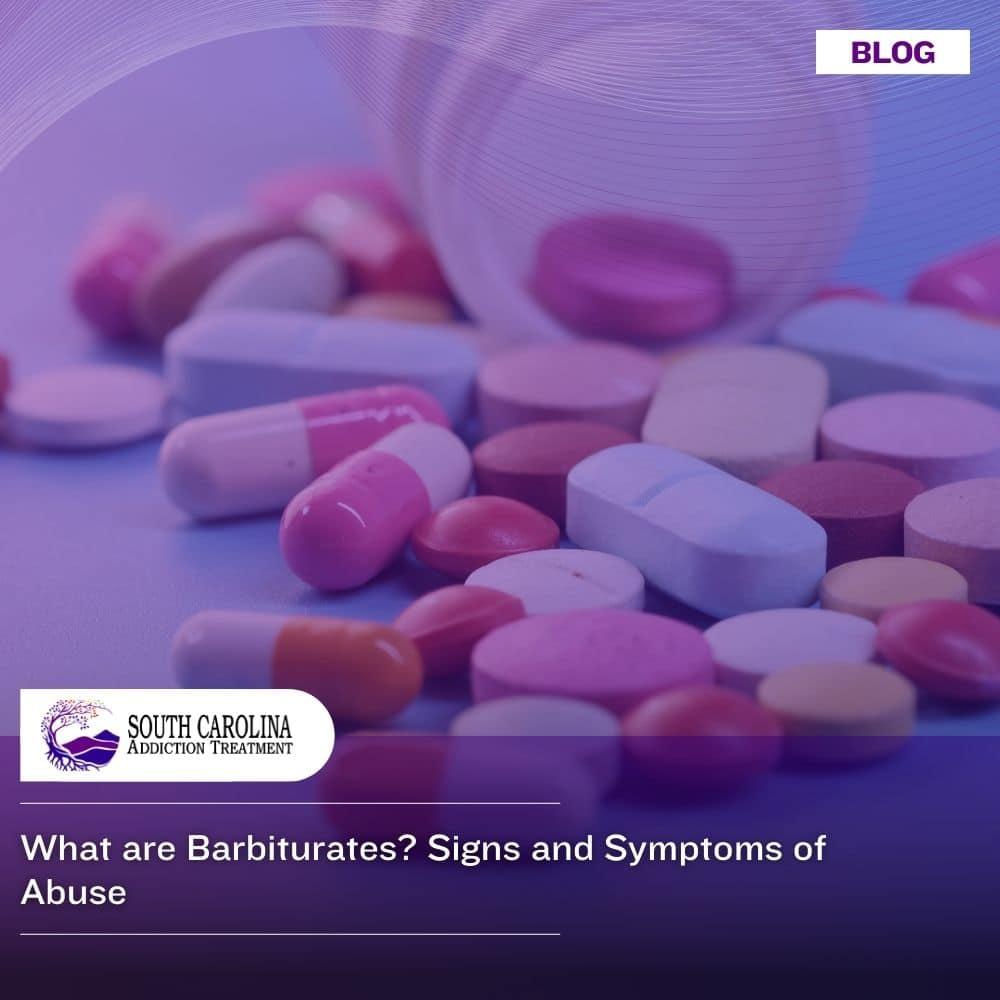
Barbiturates are a type of substance that belongs to the class of sedative-hypnotic drugs. They can produce feelings of sedation, sleepiness, and drowsiness. Many are available by prescription to treat conditions like seizures, migraines, insomnia, and more.
According to a study published in the National Library of Medicine, barbiturates approved by the FDA in the United States for medicinal use include “phenobarbital, methohexital, butalbital, pentobarbital, primidone, and amobarbital.”[1]
Since they have a high potential for abuse, they are not used as frequently by medical professionals in today’s society. Some people misuse them to experience a euphoric and drowsy high. They might be referred to as “barbs.” Long-term use of these substances can lead to physical dependence, addiction, and life-threatening overdoses.
If you suffer from a dependence on barbiturates, it’s important to seek professional treatment. Drug rehab programs like South Carolina Addiction Treatment offer a variety of services like medical detox and evidence-based therapies to ensure you attain long-term recovery.- What barbiturates are
- What conditions they can treat
- Whether people abuse barbs
- Signs and symptoms of addiction
Understanding Barbiturates
Barbiturates are prescription drugs used to make you feel sleepy or drowsy. Doctors might prescribe them to treat seizure disorders, insomnia, severe anxiety, or as an anesthetic. They work by slowing down the central nervous system (CNS) and stimulating the gamma-aminobutyric acid (GABA) receptor in your brain.
Side effects of barbiturates include:[2]- Dizziness and drowsiness
- Headaches
- Excitement or restlessness
- Nausea and vomiting
- Low blood pressure
- Sedation
Why Do Doctors Prescribe Barbiturates?
Barbiturates were historically used as an anesthesia because they are effective in producing sedation. Doctors do not use them for this purpose anymore because there are better options out there. However, many are still used medicinally for other purposes.
These medications might be prescribed to treat the following medical conditions:[1]- Seizure disorders
- Insomnia
- Intracranial pressure
- Neonatal withdrawal
- Preoperative anxiety
Do People Abuse Barbiturates?
These substances can produce significant drowsiness, sedation, and even feelings of euphoria. As a result, many people abuse them.
The high associated with this drug depends on the dose taken, for example:- Small doses cause drowsiness, disinhibition, and intoxication
- Higher doses lead to slurred speech, confusion, and staggering while walking
- Extremely high doses can cause unresponsiveness, sedation, and even coma. Death is possible as it can become difficult to breathe.
Barbiturates are most often found in pill form. It is also common to inject them into veins or muscles. However, any type of barbiturate abuse is dangerous, and you should seek professional addiction treatment if you are struggling.
Signs of Barbiturate Addiction
If you abuse barbs, you might begin to have a hard time controlling how often you take them and how much you consume at once. If you experience cravings for them and have withdrawal symptoms when you are not using them, you might have a substance use disorder.
Common symptoms of barbiturate addiction include:- Being unable to control how often you use them
- Using them in large doses or in a manner other than prescribed
- Buying them off of the street and using them to experience a high
- Having a hard time keeping up with responsibilities at home, school, or work
- Experiencing social and interpersonal issues because of your substance abuse
- Continuing to use them despite facing mental and physical health problems
- Experiencing cravings or urges to consume them
- Needing to increase your dose to experience the desired effect
- Experiencing barbiturate withdrawal when you stop using them
Find Help for Barbiturate Abuse and Addiction
If you or a loved one suffers from barbiturate addiction, it’s time to seek help. South Carolina Addiction Treatment is here to help you achieve long-lasting recovery and address the root causes of your substance use disorder.
Contact us today to learn more about how we can help you recover from barbiturate addiction.
References:- The National Library of Medicine (NLM): Barbiturates
- The Drug Enforcement Administration (DEA): Drug Fact Sheet: Barbiturates
- National Institutes of Health (NIH): The history of barbiturates a century after their clinical introduction
- National Institute on Drug Abuse (NIDA): What is the scope of prescription drug misuse in the United States?