What Are Hallucinogens?
Hallucinogens are a class of psychoactive substances that produce profound alterations in perception, mood, and cognition by disrupting serotonin, glutamate, and other neurotransmitter systems in the brain. These substances distort the user's awareness of their surroundings and can generate visual, auditory, and tactile experiences that have no basis in external reality.
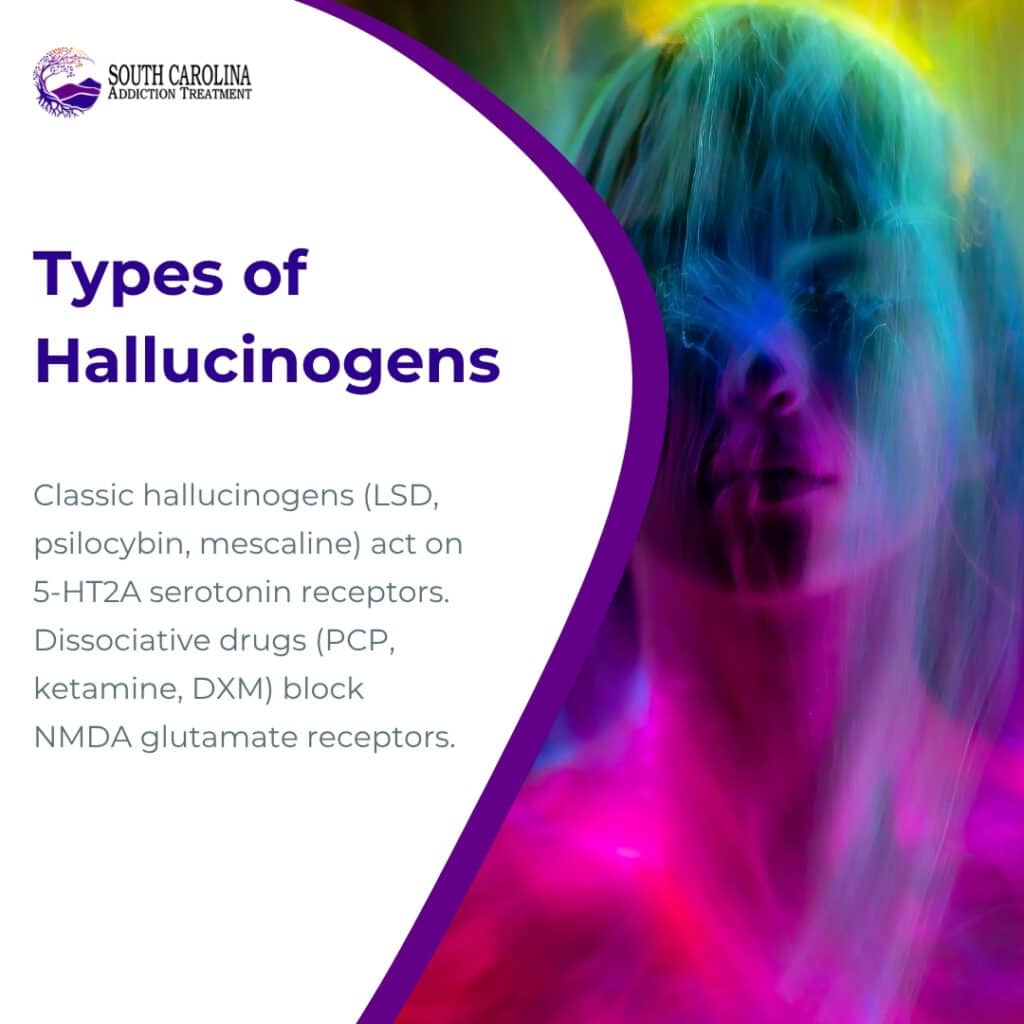
The National Institute on Drug Abuse divides hallucinogens into two pharmacological categories: classic hallucinogens (such as LSD, psilocybin, and mescaline) that act primarily on serotonin 5-HT2A receptors, and dissociative drugs (such as PCP, ketamine, and DXM) that block NMDA glutamate receptors.
Whether you are trying to understand what hallucinogens do, how they affect the brain, or when their use becomes clinically problematic, the full pharmacological and clinical picture is explained below.
Key Takeaways
- Hallucinogens fall into two pharmacological categories: classic hallucinogens (LSD, psilocybin, mescaline, DMT) acting on 5-HT2A serotonin receptors, and dissociative drugs (PCP, ketamine, DXM) blocking NMDA glutamate receptors.
- According to SAMHSA's 2023 NSDUH, approximately 8.6 million Americans aged 12 or older used hallucinogens in the past year, representing a significant increase from pre-pandemic levels.
- Hallucinogen persisting perception disorder (HPPD) is a DSM-5-TR recognized condition in which visual disturbances from hallucinogen use recur spontaneously weeks to years after last exposure.
- Classic hallucinogens do not produce physical dependence or withdrawal syndrome, but the DSM-5-TR recognizes Other Hallucinogen Use Disorder as a diagnosable condition when use produces clinically significant impairment.
- Psilocybin-assisted therapy and MDMA-assisted therapy are under active FDA investigation for treatment-resistant depression and PTSD respectively, potentially transforming the clinical status of certain hallucinogens.
Types of Hallucinogens
Hallucinogens encompass a pharmacologically diverse group of substances unified by their ability to produce altered states of consciousness.
Classic Hallucinogens (Serotonergic)
Classic hallucinogens produce their primary effects through 5-HT2A serotonin receptor agonism:
- LSD (lysergic acid diethylamide): A synthetic compound derived from ergot fungus. LSD is active at 20 to 25 microgram doses, produces effects lasting 8 to 12 hours, and is classified as DEA Schedule I.
- Psilocybin (magic mushrooms): A naturally occurring tryptamine found in over 200 species of Psilocybe mushrooms. The liver converts psilocybin to its active metabolite psilocin, which binds to 5-HT2A receptors producing effects lasting 4 to 6 hours.
- Mescaline (peyote): A phenethylamine alkaloid found in the peyote cactus (Lophophora williamsii) and San Pedro cactus (Echinopsis pachanoi). Effects last 8 to 12 hours. Religious use by the Native American Church is federally protected.
- DMT (dimethyltryptamine): A potent tryptamine found in ayahuasca preparations and produced endogenously in small quantities in the human brain. Smoked DMT produces intense effects lasting 5 to 30 minutes. Oral DMT (ayahuasca) lasts 4 to 6 hours.
- 2C-B and synthetic phenethylamines: Designer hallucinogens synthesized by chemist Alexander Shulgin that produce combined psychedelic and empathogenic effects.
Dissociative Hallucinogens (Glutamatergic)
Dissociative drugs produce hallucinogenic effects through NMDA receptor antagonism:
- PCP (phencyclidine): A synthetic arylcyclohexylamine originally developed as a surgical anesthetic. PCP produces dissociation, analgesia, and at high doses, violent agitation and psychosis lasting 4 to 8 hours.
- Ketamine: A Schedule III dissociative anesthetic with emerging therapeutic applications for treatment-resistant depression. Ketamine effects last 30 to 60 minutes when snorted, 5 to 15 minutes when injected.
- DXM (dextromethorphan): An over-the-counter cough suppressant that produces dissociative effects at supratherapeutic doses (known as "robo-tripping" or "dexing"). Misuse of DXM-containing products is most prevalent among adolescents.
- Salvia divinorum: A plant containing the kappa-opioid receptor agonist salvinorin A, producing brief but intensely disorienting hallucinogenic effects lasting 5 to 30 minutes.
Empathogenic Hallucinogens
Some substances bridge hallucinogenic and empathogenic categories:
- MDMA (ecstasy/molly): A substituted amphetamine that produces serotonin release alongside mild psychedelic effects. MDMA is under FDA investigation for PTSD treatment through MDMA-assisted therapy protocols developed by the Multidisciplinary Association for Psychedelic Studies (MAPS).
How Hallucinogens Affect the Brain
Hallucinogens disrupt normal neurotransmitter function through distinct pharmacological mechanisms depending on their drug class.
Classic Hallucinogen Mechanism: 5-HT2A Receptor Agonism
Serotonergic hallucinogens produce their effects through cortical serotonin disruption:
- 5-HT2A receptor activation: Classic hallucinogens bind to 5-HT2A serotonin receptors concentrated in the prefrontal cortex and visual cortex, triggering a cascade of downstream glutamate release that disrupts normal sensory processing and produces hallucinations.
- Default mode network suppression: Neuroimaging researcher Robin Carhart-Harris demonstrated that psilocybin and LSD reduce activity in the default mode network (DMN), the brain system responsible for self-referential thought and ego identity. DMN suppression produces the ego dissolution, boundary-blurring, and mystical experiences characteristic of psychedelic states.
- Cortical hyperconnectivity: Hallucinogens increase functional connectivity between brain regions that do not normally communicate, producing synesthesia (cross-sensory experiences) and the perception that sensory boundaries have dissolved.
Dissociative Mechanism: NMDA Receptor Antagonism
Dissociative hallucinogens produce effects through glutamate system disruption:
- NMDA receptor blockade: PCP, ketamine, and DXM block NMDA glutamate receptors, disrupting the excitatory signaling that maintains normal consciousness, sensory integration, and motor coordination.
- Dissociation spectrum: Low-dose NMDA antagonism produces depersonalization and derealization. Moderate doses produce out-of-body experiences. High doses produce complete dissociative anesthesia (the "K-hole" with ketamine, catatonia with PCP).
Effects of Hallucinogens
Hallucinogens produce dose-dependent physical and psychological effects that vary by substance, dose, individual sensitivity, and environmental context.
Common Effects
Expected effects at typical recreational doses:
- Visual distortions: Geometric patterns, color enhancement, surface movement ("breathing walls"), trails behind moving objects, and at higher doses, complex hallucinations.
- Altered perception of time: Minutes feel like hours; the normal sense of time passing distorts significantly.
- Emotional amplification: Existing emotional states intensify. Positive settings produce euphoria and profound well-being. Negative settings produce anxiety, paranoia, and distressing psychological experiences.
- Synesthesia: Cross-modal sensory experiences such as "seeing" music or "hearing" colors, reflecting the increased cross-connectivity between brain regions.
Severe and Dangerous Effects
Hallucinogens produce distinct acute risks:
- Bad trip (acute hallucinogen intoxication): Intense panic, paranoid delusions, terrifying hallucinations, and complete loss of connection to reality. Bad trips constitute psychiatric emergencies requiring calm, supportive intervention and, in severe cases, benzodiazepine administration.
- PCP-specific violence risk: PCP produces a unique combination of analgesia, delusions of superhuman strength, and agitation that creates high risk of violent behavior and self-injury. This violence profile distinguishes PCP from other hallucinogens.
- Serotonin syndrome: Combining serotonergic hallucinogens (LSD, psilocybin, MDMA) with SSRIs, SNRIs, or MAOIs produces potentially life-threatening serotonin toxicity with hyperthermia, muscle rigidity, and autonomic instability.
- HPPD (hallucinogen persisting perception disorder): A DSM-5-TR recognized condition in which visual disturbances (halos, geometric patterns, visual snow, trailing) recur spontaneously weeks to years after last use. HPPD can significantly impair daily functioning and quality of life.
Long-Term Risks
Chronic hallucinogen use produces documented lasting effects:
- Psychosis trigger: Hallucinogens precipitate acute psychotic episodes in individuals genetically predisposed to schizophrenia spectrum disorders. Risk increases with dose, frequency, and family history of psychotic illness.
- Persistent depersonalization: Some individuals develop chronic feelings of detachment from self or surroundings following intense hallucinogenic experiences.
- Dissociative-specific damage: Chronic ketamine use produces ulcerative cystitis (bladder damage), hepatotoxicity, and cognitive impairment. Chronic PCP use produces persistent psychosis, depression, and memory deficits.
Are Hallucinogens Addictive?
Classic hallucinogens produce rapid tolerance (tachyphylaxis) that limits compulsive daily use patterns, but the DSM-5-TR recognizes hallucinogen-related disorders.
Classic Hallucinogen Addiction Profile
Classic serotonergic hallucinogens have a distinct addiction profile:
- No physical dependence: LSD, psilocybin, mescaline, and DMT do not produce physical withdrawal symptoms upon cessation.
- Rapid tolerance: 5-HT2A receptor downregulation occurs within hours of a single dose, making daily use pharmacologically ineffective. Full sensitivity returns after 7 to 14 days of abstinence.
- Psychological dependence possible: The DSM-5-TR recognizes Other Hallucinogen Use Disorder when use produces clinically significant impairment including failed reduction attempts, continued use despite harm, and social dysfunction.
Dissociative Addiction Profile
Dissociative hallucinogens carry higher addiction potential:
- Ketamine dependence: Chronic ketamine use produces psychological dependence with craving, dose escalation, and continued use despite organ damage (bladder, liver, cognition).
- PCP dependence: PCP produces both psychological and physical dependence with a withdrawal syndrome including craving, depression, and cognitive impairment.
Hallucinogens as Emerging Therapeutic Tools
Certain hallucinogens are under rigorous clinical investigation for psychiatric treatment applications.
Psilocybin-Assisted Therapy
Psilocybin research has advanced significantly:
- Treatment-resistant depression: Clinical trials at Johns Hopkins and Imperial College London demonstrate that two psilocybin sessions combined with psychotherapy produce rapid, sustained antidepressant effects lasting weeks to months in patients who failed multiple conventional antidepressants.
- End-of-life anxiety: Psilocybin reduces existential distress and death anxiety in patients with terminal cancer diagnoses, producing lasting psychological benefit from a single or small number of sessions.
- FDA status: Psilocybin therapy received FDA Breakthrough Therapy designation for treatment-resistant depression in 2018, expediting the regulatory review pathway.
MDMA-Assisted Therapy
MDMA research targets trauma-related conditions:
- PTSD treatment: MAPS-sponsored Phase III trials demonstrated that MDMA-assisted therapy produced PTSD remission in approximately 67% of participants compared to 32% receiving therapy with placebo.
- Mechanism: MDMA reduces amygdala hyperactivity while increasing prefrontal cortex engagement, allowing patients to process traumatic memories without the overwhelming fear response that blocks conventional therapy.
Treatment at South Carolina Addiction Treatment
South Carolina Addiction Treatment provides medically supervised care for individuals with hallucinogen-related disorders through its SCAT2Track program in Simpsonville, South Carolina.
Medical Detox (Track One)
Track One provides 7-day medically supervised stabilization:
- Psychiatric monitoring: Because classic hallucinogens do not produce physical withdrawal, treatment focuses on managing persistent anxiety, HPPD symptoms, depersonalization, and psychotic features through 24-hour psychiatric observation under Dr. Gergana Dimitrova, MD.
- Dissociative-specific protocols: Clients presenting with ketamine or PCP dependence receive targeted withdrawal management including symptom monitoring and comfort medications.
"Hallucinogen-related presentations are unique in our facility because the primary concern is rarely physical withdrawal. Instead, we're addressing persistent perceptual disturbances, anxiety that won't resolve, or psychotic symptoms that were triggered during use. The psychiatric evaluation within the first 24 hours is critical for differentiating substance-induced symptoms from an emerging primary psychiatric disorder."
— Rebecca Littlejohn, MSN, APRN, PMHNP-BC, Medical Provider, South Carolina Addiction Treatment
Residential Treatment (Track Two)
Track Two extends care to 14 total days with structured clinical programming:
- Evidence-based therapy: Individual counseling, CBT, and group therapy address the psychological patterns underlying hallucinogen misuse and co-occurring conditions.
- Aftercare coordination: The clinical case manager connects graduating clients with PHP, IOP, and sober living programs.
Frequently Asked Questions
What is the definition of a hallucinogen?
A hallucinogen is any psychoactive substance that produces significant alterations in perception, mood, and cognition, including visual, auditory, or tactile experiences that do not correspond to external reality. The two pharmacological categories are classic hallucinogens (5-HT2A serotonin agonists) and dissociative drugs (NMDA glutamate antagonists).
What are some examples of hallucinogens?
Classic hallucinogens include LSD (acid), psilocybin (magic mushrooms), mescaline (peyote), and DMT (ayahuasca). Dissociative hallucinogens include PCP (phencyclidine), ketamine, DXM (dextromethorphan), and salvia divinorum. MDMA (ecstasy) bridges hallucinogenic and empathogenic categories.
What drugs cause hallucinations?
Beyond dedicated hallucinogens, hallucinations occur with high-dose cannabis (THC-induced psychosis), stimulant toxicity (cocaine and methamphetamine psychosis), alcohol withdrawal (delirium tremens), anticholinergic poisoning (diphenhydramine, scopolamine), and opioid withdrawal. The hallucination mechanism differs by substance class.
Are hallucinogens dangerous?
Classic hallucinogens carry low acute toxicity (fatal overdose is rare) but produce real psychiatric risks including bad trips, HPPD, and psychosis triggering in susceptible individuals. Dissociative hallucinogens carry higher acute danger: PCP produces violent behavior, ketamine produces respiratory depression when combined with other depressants. All hallucinogens impair judgment, creating accident risk.
Can hallucinogens cause permanent brain damage?
Classic hallucinogens do not produce documented structural brain damage. However, HPPD produces persistent functional visual disturbances, and hallucinogen-triggered psychosis may persist beyond drug clearance in genetically susceptible individuals. Chronic dissociative use (particularly ketamine and PCP) produces measurable cognitive impairment and organ damage.
Are hallucinogens being used as medicine?
Psilocybin received FDA Breakthrough Therapy designation for treatment-resistant depression in 2018. MDMA-assisted therapy completed Phase III trials for PTSD with approximately 67% remission rates. Ketamine (as esketamine/Spravato) is FDA-approved for treatment-resistant depression. These represent the first major shift in hallucinogen clinical status since the Controlled Substances Act of 1970.
What is a bad trip?
A bad trip is acute hallucinogen intoxication producing intense panic, paranoid delusions, terrifying hallucinations, and complete disconnection from reality. Bad trips are psychiatric emergencies treated with calm reassurance, a safe quiet environment, and benzodiazepines (lorazepam, diazepam) for severe agitation. Bad trips resolve within hours as the drug clears.
What is HPPD?
Hallucinogen persisting perception disorder is a DSM-5-TR recognized condition in which visual disturbances from previous hallucinogen use recur spontaneously during sobriety. Symptoms include halos around objects, geometric patterns, visual snow, and trailing images. HPPD can persist for months to years and significantly impair quality of life.
References
- National Institute on Drug Abuse. (2024). Hallucinogens DrugFacts. National Institutes of Health. https://nida.nih.gov/publications/drugfacts/hallucinogens
- Substance Abuse and Mental Health Services Administration. (2024). Key substance use and mental health indicators in the United States: Results from the 2023 NSDUH. https://www.samhsa.gov/data/report/2023-nsduh-annual-national-report
- Drug Enforcement Administration. (2024). Hallucinogens drug fact sheet. U.S. Department of Justice. https://www.dea.gov/factsheets/hallucinogens
- Carhart-Harris, R. L., et al. (2016). Neural correlates of the LSD experience revealed by multimodal neuroimaging. Proceedings of the National Academy of Sciences, 113(17), 4853-4858.
- Davis, A. K., et al. (2021). Effects of psilocybin-assisted therapy on major depressive disorder: A randomized clinical trial. JAMA Psychiatry, 78(5), 481-489.
- Mitchell, J. M., et al. (2021). MDMA-assisted therapy for severe PTSD: A randomized, double-blind, placebo-controlled phase 3 study. Nature Medicine, 27(6), 1025-1033.
- American Psychiatric Association. (2022). Diagnostic and statistical manual of mental disorders (5th ed., text rev.). American Psychiatric Publishing.