What To Avoid When Taking Low Dose Naltrexone
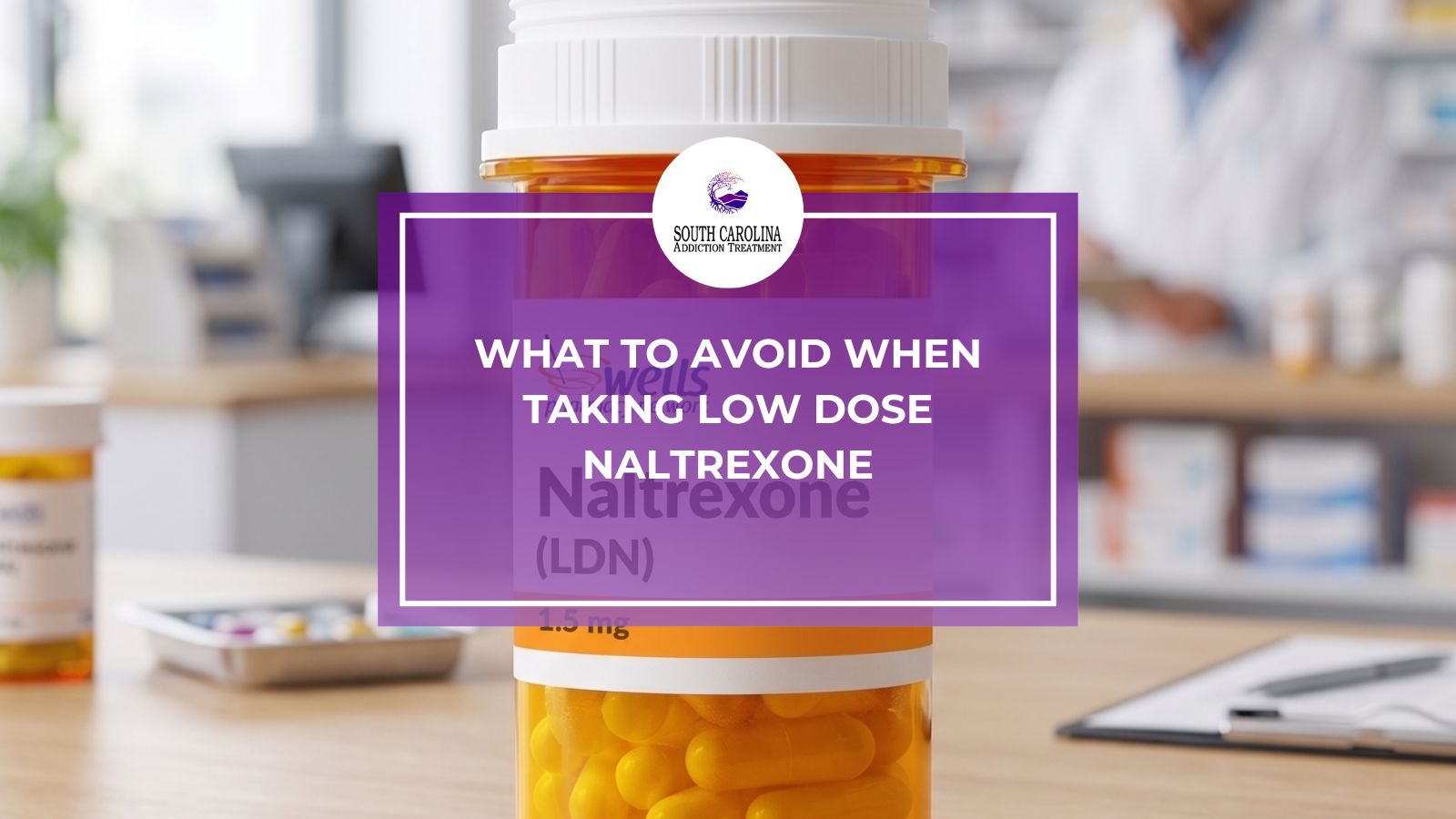
When taking low dose naltrexone (LDN), avoid all opioids, opioid-containing medicines, and heavy alcohol use, since these are the most dangerous combinations. LDN blocks opioid receptors, so using opioids can trigger sudden, severe withdrawal or hide the effects until an overdose occurs.
LDN refers to naltrexone taken at roughly 1.5 to 4.5 mg daily, about one-tenth the standard 50 mg dose. This off-label use is studied for chronic pain and autoimmune conditions. The safety rules still mirror standard naltrexone.
Certain supplements, some medications, alcohol, and specific timing choices can also reduce LDN’s benefit or worsen side effects. Knowing what to skip, delay, or discuss with your prescriber keeps treatment both safer and more effective from your very first dose.
Key Takeaways
- You must be completely opioid-free for at least 7 to 10 days before starting naltrexone, or you risk sudden, severe precipitated withdrawal that can require hospitalization.
- After stopping naltrexone, your opioid tolerance drops sharply, so returning to a previous dose can be fatal. Opioids caused an estimated 79,358 U.S. overdose deaths in 2023.
- Alcohol is not blocked for impairment by naltrexone, so drinking still affects coordination, judgment, and liver stress even when cravings feel reduced.
- Common LDN side effects like vivid dreams and sleep trouble affected about 8% of users early on but usually faded within two weeks.
- Naltrexone is FDA-approved for alcohol and opioid use disorder; LDN uses for pain and autoimmune conditions remain off-label and need medical supervision.
Low Dose Naltrexone vs Standard-Dose Naltrexone
Both forms contain the same drug, but the dose and purpose differ sharply. Standard naltrexone treats addiction at a fixed daily dose. LDN uses a fraction of that amount for off-label conditions. This comparison clarifies why the two are discussed separately.
| Feature | Low Dose Naltrexone (LDN) | Standard-Dose Naltrexone |
|---|---|---|
| Typical dose | 1.5 to 4.5 mg daily | 50 mg daily (or 380 mg monthly injection) |
| FDA approval | Off-label use | Approved for alcohol and opioid use disorder |
| Primary purpose | Chronic pain, autoimmune conditions | Reducing cravings and blocking opioid effects |
| Mechanism | Brief receptor blockade, endorphin rebound | Sustained opioid receptor blockade |
Naltrexone works as a mu-opioid receptor antagonist, meaning it attaches to opioid receptors and blocks them. At low doses, that blockade is short, prompting the body to increase its own endorphins. This rebound is the theory behind LDN’s off-label benefits.
Avoid Opioids and Opioid-Containing Medicines
Opioids are the single most important thing to avoid with naltrexone at any dose. Because naltrexone occupies opioid receptors, taking an opioid while on it can trigger precipitated withdrawal, a rapid and intense onset of withdrawal symptoms that may be severe enough to require hospitalization.
You must be off all opioids for a minimum of 7 to 10 days before starting naltrexone. People transitioning from long-acting opioids, buprenorphine, or methadone may need 10 to 14 days, since withdrawal can be precipitated for up to two weeks after the last dose.
This rule extends beyond obvious drugs like hydrocodone, oxycodone, or morphine. Watch for hidden opioids in prescription cough syrups, anti-diarrheal medicines such as loperamide (Imodium), and tramadol. Always tell any provider you are taking naltrexone before accepting a new prescription. Understanding the risks of managing opioid dependence helps explain why this window matters.
Avoid Alcohol or Drink With Caution
Naltrexone reduces the pleasurable, rewarding effects of alcohol, which is why it helps with alcohol use disorder. However, it does not block impairment. You will still experience slowed thinking, reduced coordination, and a higher risk of falls, accidents, and poor judgment when drinking.
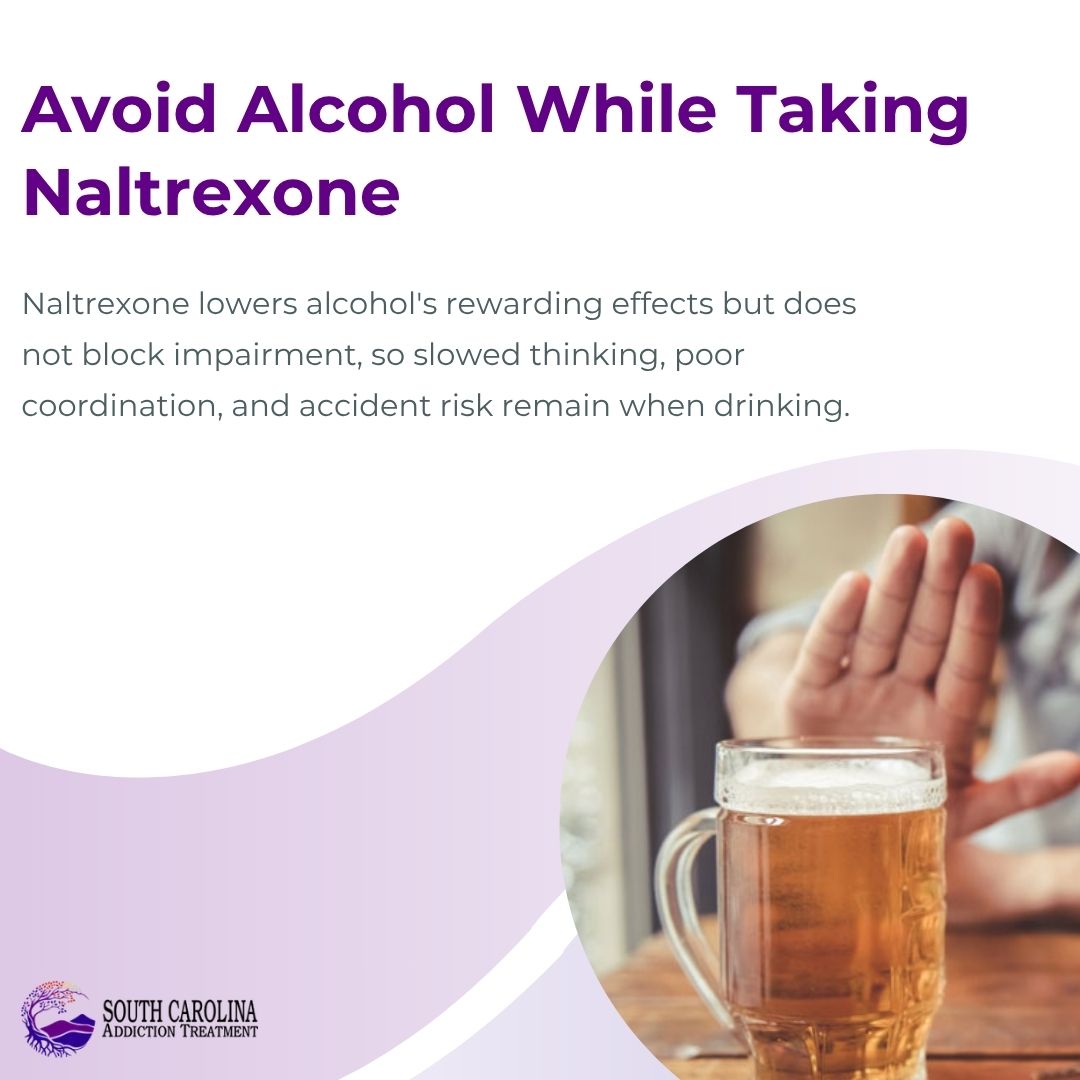
Because naltrexone processes through the liver, combining it with heavy or frequent drinking adds stress to that organ. Some patient communities suggest occasional light drinking is acceptable on LDN, but clinical guidance leans toward caution. The safest path is to avoid alcohol or limit it and discuss your use with your prescriber.
Medications and Supplements That Need Caution
Beyond opioids, several other substances deserve a conversation with your prescriber. LDN has fewer documented interactions than many drugs, but combining medicines without guidance is never wise. The following categories most often raise questions for people starting low dose naltrexone.
| What to watch | Why it matters | What to do |
|---|---|---|
| Opioid pain relievers | Blocked effect plus withdrawal or overdose risk | Avoid entirely; use non-opioid options |
| Immunosuppressants (steroids) | LDN may alter immune activity | Coordinate dosing with your prescriber |
| Thyroid medication | LDN can change medication needs over time | Monitor levels and adjust as directed |
| Sedatives and street drugs | Unpredictable combined effects | Disclose all use to your provider |
Non-opioid pain relievers like acetaminophen (Tylenol) and NSAIDs such as ibuprofen are generally considered compatible with LDN. Antidepressants are also commonly taken alongside it, but only your prescriber can confirm your specific combination is safe based on your full medication list.
Foods and Timing to Consider
There are no strict food restrictions with low dose naltrexone. Most people can eat normally without any dietary limits. Some find that very spicy or acidic foods worsen mild stomach upset in the early days, so easing into meals can help sensitive stomachs adjust.
Timing is a more practical concern. Many clinicians recommend taking LDN at night to align with the body’s natural endorphin cycle. If vivid dreams or sleep disruption become bothersome, switching to a morning dose often resolves the problem without reducing benefit. A light snack at bedtime can also ease early nausea.
Avoid Abrupt Starts, Stops, and Surgery Surprises
How you begin and end LDN matters. Providers typically start very low, around 1 to 1.5 mg daily, then increase by about 1 mg weekly up to a maximum near 4.5 mg. This gradual titration reduces side effects and helps your body adjust smoothly.
The most serious stopping risk involves opioid tolerance. After a period on naltrexone, your tolerance drops, so taking a previously normal opioid dose can cause life-threatening overdose. This is why anyone who has completed structured recovery support should never test old limits.
Surgery is another key moment. Because naltrexone blocks opioid pain relief, many clinicians advise stopping LDN several days before a scheduled procedure so anesthesia and pain management work properly. Tell your surgical team well in advance so they can plan around it safely.
Common Side Effects of Low Dose Naltrexone
Most LDN side effects are mild and temporary. The most reported issues are sleep-related, including vivid dreams and trouble falling asleep. Difficulty sleeping affected roughly 8% of people early on, but this usually resolved within two weeks as the body adjusted.
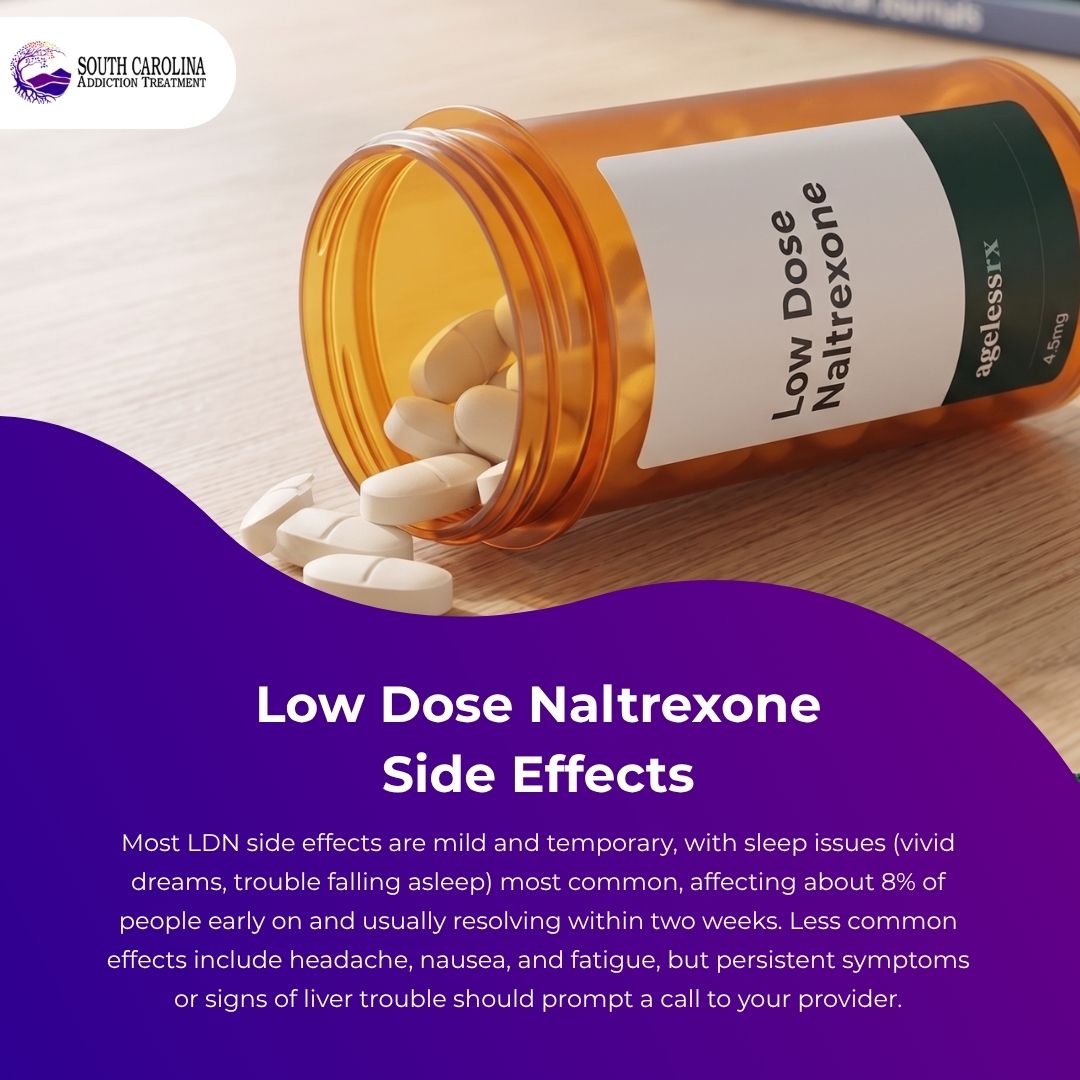
Other occasional effects include mild headache, nausea, and daytime fatigue, though these are reported far less often. Because everyone responds differently, track how you feel during the first few weeks. Persistent or worsening symptoms, or any signs of liver trouble like dark urine or yellowing skin, warrant a prompt call to your provider.
The Addiction Treatment Connection
Naltrexone’s origins are in addiction medicine, and that history explains its strictest safety rules. The drug is FDA-approved to treat both alcohol use disorder and opioid use disorder, conditions affecting millions. In 2023, an estimated 28.9 million U.S. adults had an alcohol use disorder.
For someone in recovery, the reduced-tolerance overdose risk is not theoretical. It is the central reason naltrexone requires a fully opioid-free start and careful supervision. At South Carolina Addiction Treatment, clients receive medically supervised detox and residential care where medication decisions are guided by licensed clinical staff rather than guesswork.
If low dose naltrexone is part of managing a health condition and you also have a history of substance use, that combination deserves professional oversight. Coordinating with a team experienced in both addiction and co-occurring conditions ensures the medication helps without introducing new risks.
Frequently Asked Questions
Can you drink alcohol on low dose naltrexone?
It is best avoided. Naltrexone reduces alcohol’s rewarding effects but not its impairment, so drinking still affects coordination and judgment. Heavy or frequent drinking also stresses the liver, which processes the drug. Discuss any alcohol use with your prescriber before combining it with LDN.
Should low dose naltrexone be taken at night or in the morning?
Many providers suggest nighttime dosing to match the body’s endorphin cycle. However, if vivid dreams or insomnia develop, switching to a morning dose usually helps. Both timing options can work, so follow your prescriber’s guidance and adjust based on how you personally respond.
Can you stop taking low dose naltrexone suddenly?
LDN itself does not cause a withdrawal syndrome when stopped. The real danger is reduced opioid tolerance after use. Returning to a previous opioid dose can be fatal. Talk to your prescriber before stopping, especially if you have any history of opioid use.
Does low dose naltrexone interact with cannabis or THC?
Research on LDN and THC is limited, and no dangerous interaction is well established. Some users report altered effects. Since responses vary and combining substances can be unpredictable, disclose any cannabis or THC use to your prescriber so they can advise you based on your situation.
References
- U.S. Food and Drug Administration. (2013). Naltrexone hydrochloride tablets USP, 50 mg [Prescribing information]. FDA
- Substance Abuse and Mental Health Services Administration. (2024). Naltrexone. SAMHSA
- National Institute on Drug Abuse. (2024). Drug overdose deaths: Facts and figures.
- Substance Abuse and Mental Health Services Administration. (2024). Key substance use and mental health indicators in the United States: Results from the 2023 National Survey on Drug Use and Health.
- Toljan, K., & Vrooman, B. (2018). Low-dose naltrexone (LDN): Review of therapeutic utilization. Medical Sciences, 6(4), 82.
- Singh, D., & Saadabadi, A. (2023). Naltrexone. In StatPearls. StatPearls Publishing. NIH
- Drugs.com. (2024). What is low dose naltrexone (LDN)? Drugs.com medical answers.