What Does Fentanyl Look Like?
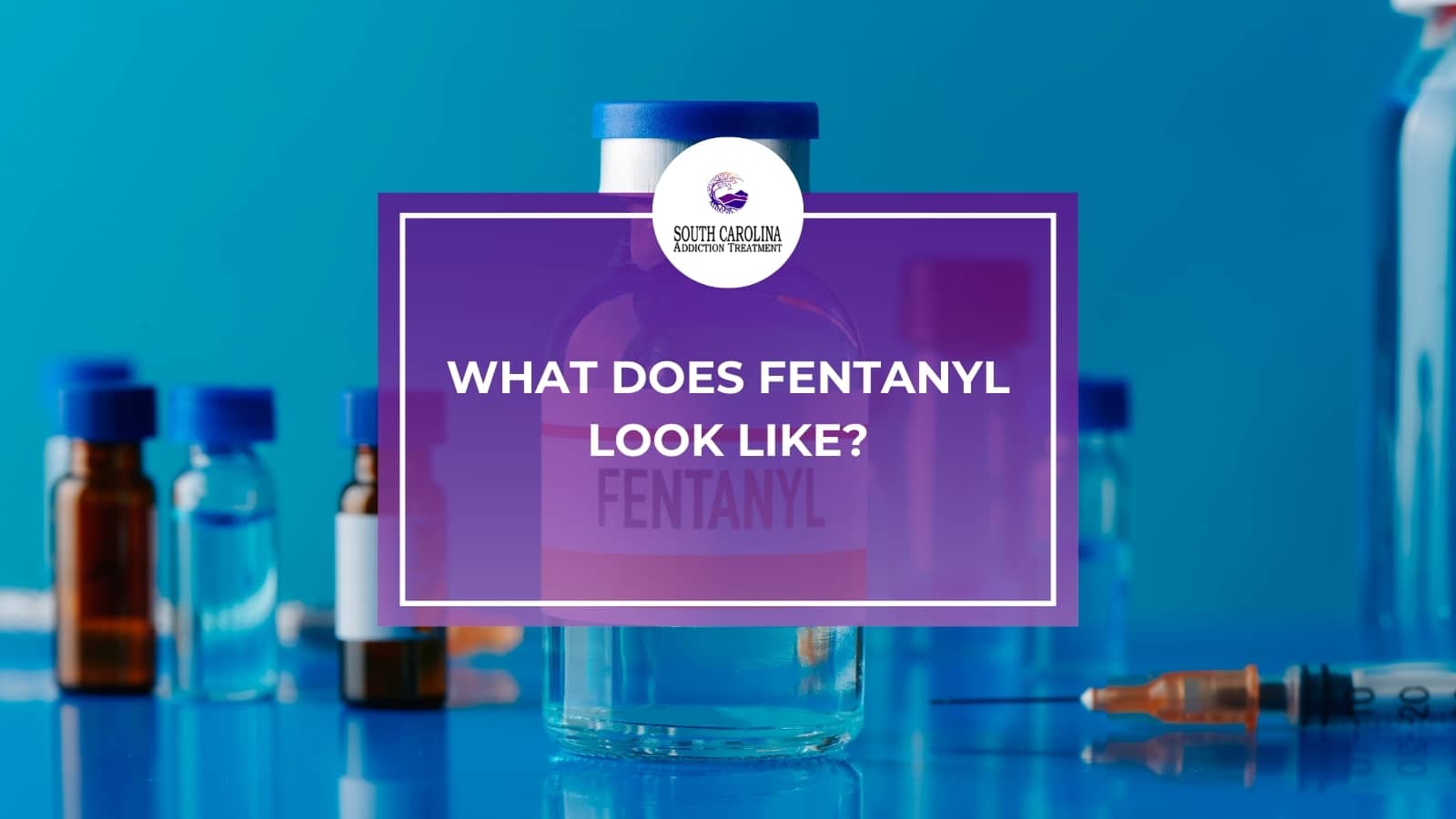
Fentanyl has no single appearance. Illicitly manufactured fentanyl appears as white, off-white, or tan powder visually identical to heroin or cocaine, as counterfeit prescription pills stamped to resemble legitimate medications.
In some cases, fentanyl looks like as brightly colored tablets marketed as "rainbow fentanyl." Pharmaceutical fentanyl appears as transdermal patches, lozenges, sublingual sprays, and injectable solutions.
The inability to visually distinguish fentanyl-laced drugs from their legitimate counterparts is the primary reason the DEA identifies fentanyl as the deadliest drug threat in the United States. Two milligrams of fentanyl is a potentially lethal dose, and that amount fits on the tip of a pencil.
Key Takeaways
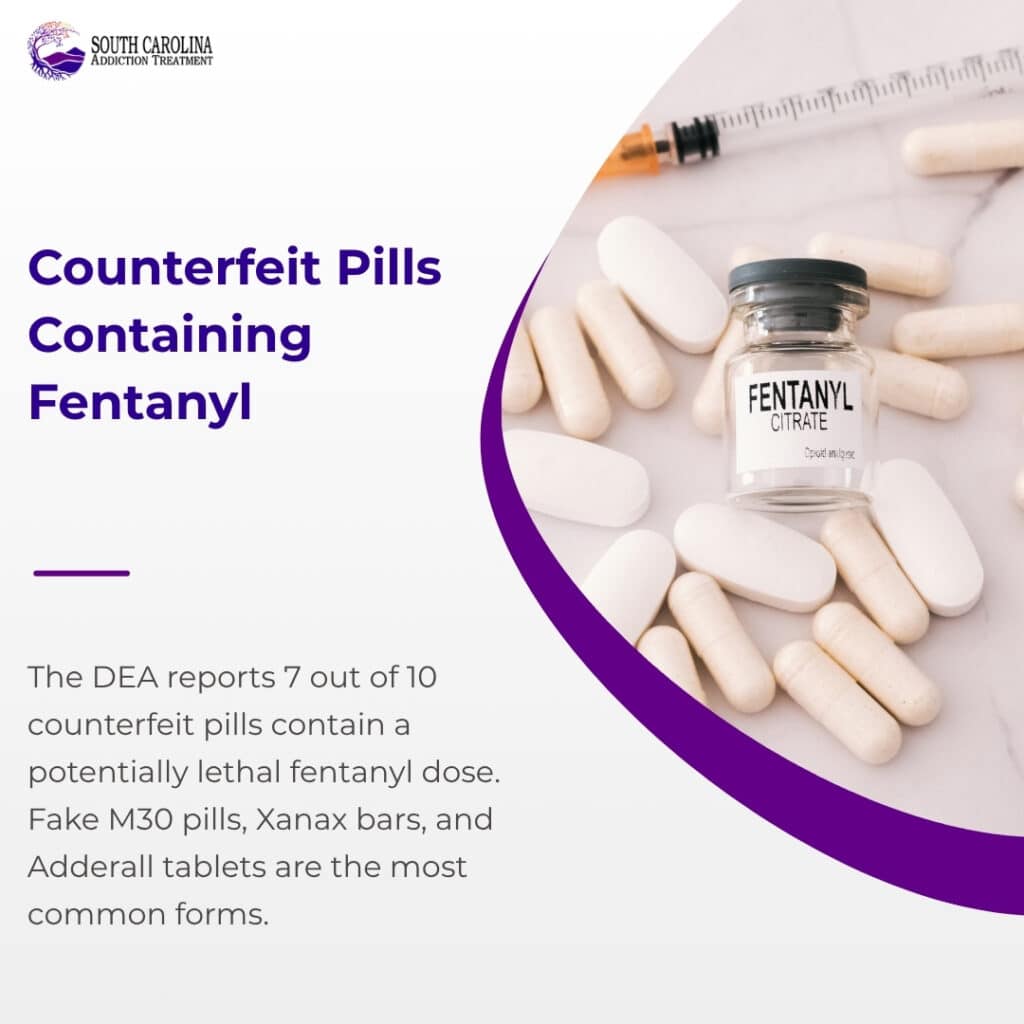
- The DEA reports that 7 out of every 10 counterfeit pills seized by law enforcement contain a potentially lethal dose of fentanyl, making visual identification alone dangerously unreliable.
- According to CDC provisional data, approximately 79,384 drug overdose deaths occurred in the United States in 2024, with synthetic opioids (primarily fentanyl) responsible for the majority.
- Illicitly manufactured fentanyl powder is visually indistinguishable from heroin, cocaine, or methamphetamine without chemical testing using fentanyl test strips or laboratory analysis.
- Counterfeit pills containing fentanyl are most commonly pressed to resemble oxycodone 30 mg tablets (blue "M30" pills), Xanax bars, and Adderall tablets.
- Fentanyl test strips are an FDA-endorsed harm reduction tool that detects fentanyl in drug samples within 2 to 5 minutes at a cost of approximately $1 per strip.
What Does Fentanyl Powder Look Like?
Fentanyl in powder form is the most common presentation in the illicit drug supply and is virtually impossible to identify by sight alone.
White and Off-White Powder
The majority of seized illicit fentanyl appears as fine powder:
- Color range: Illicitly manufactured fentanyl powder ranges from pure white to off-white, cream, light tan, or slightly yellowish depending on synthesis purity and cutting agents present.
- Texture: Fentanyl powder is typically fine and crystalline, similar in appearance to powdered sugar or baking soda. Some batches have a slightly granular texture depending on the manufacturing process.
- Indistinguishable from other drugs: Fentanyl powder cannot be visually differentiated from heroin, cocaine powder, or methamphetamine. This visual ambiguity is the primary mechanism through which fentanyl enters the drug supply undetected.
Colored Fentanyl Powder
Some fentanyl batches appear in non-standard colors:
- Rainbow fentanyl: The DEA issued alerts about brightly colored fentanyl powder and pills appearing in blue, green, pink, purple, and other colors. These variations are marketing tactics, not indicators of different potency or composition.
- Brown or dark tan powder: Fentanyl mixed with heroin or certain cutting agents produces darker-colored powder that mimics the appearance of brown heroin.
What Do Fentanyl Pills Look Like?
Counterfeit pills containing fentanyl are designed to be visually identical to legitimate pharmaceutical tablets.
Counterfeit Oxycodone (Fake M30 Pills)
The most widely seized counterfeit pill containing fentanyl mimics oxycodone:
- Appearance: Small round blue tablets stamped with "M" on one side and "30" on the other, designed to replicate legitimate Mallinckrodt oxycodone 30 mg tablets.
- Color variations: Fake M30 pills range from light blue to dark blue, green-blue, or even slightly purple. Legitimate M30 tablets have a consistent, specific shade of blue.
- Inconsistent dosing: A single counterfeit pill may contain anywhere from 0 to 5 mg of fentanyl. The DEA reports lethal dose variation within the same batch, meaning two pills from the same bag may contain radically different amounts.
- Visual differences from legitimate pills: Counterfeit pills often display slightly uneven edges, inconsistent coloring (mottled or speckled appearance), off-center stamping, and chalky or crumbly texture compared to the smooth, uniform finish of pharmaceutical-grade tablets.
Counterfeit Xanax Bars
Fentanyl-laced counterfeit benzodiazepine tablets are increasingly common:
- Appearance: Rectangular white, blue, yellow, or green bars stamped with "XANAX," "2," or other common alprazolam imprints.
- Danger profile: Users purchasing what they believe is a sedative receive a potent opioid instead, creating extreme overdose risk because opioid and benzodiazepine effects compound each other's respiratory depression.
Counterfeit Adderall and Other Stimulants
Fentanyl has been detected in counterfeit stimulant tablets:
- Appearance: Orange, pink, or blue round tablets stamped to resemble Adderall, Vyvanse, or other ADHD medications.
- Cross-class danger: Users expecting a stimulant effect receive an opioid depressant, dramatically increasing overdose risk because the expected pharmacological response is the opposite of the actual drug consumed.
What Does Pharmaceutical Fentanyl Look Like?
FDA-approved fentanyl formulations have standardized, identifiable appearances.
Transdermal Patches
Fentanyl patches deliver controlled doses through the skin:
- Appearance: Clear or translucent rectangular adhesive patches, typically 2 to 4 inches in size, with printed dosage information (12, 25, 50, 75, or 100 mcg/hr) and brand marking (Duragesic or generic equivalent).
- Diversion concern: Used patches retain residual fentanyl. Extraction from used patches (chewing, smoking, or dissolving the gel reservoir) is a documented diversion method.
Transmucosal Formulations
Oral and nasal fentanyl products have distinct appearances:
- Actiq (lozenge on a stick): Berry-flavored lozenge attached to a plastic handle, resembling a lollipop. Available in 200 to 1600 mcg doses.
- Fentora (buccal tablet): Small white flat tablet designed to dissolve against the cheek.
- Subsys (sublingual spray): Small plastic spray device for under-the-tongue administration.
- Lazanda (nasal spray): Small nasal spray bottle for intranasal administration.
How to Identify Fentanyl
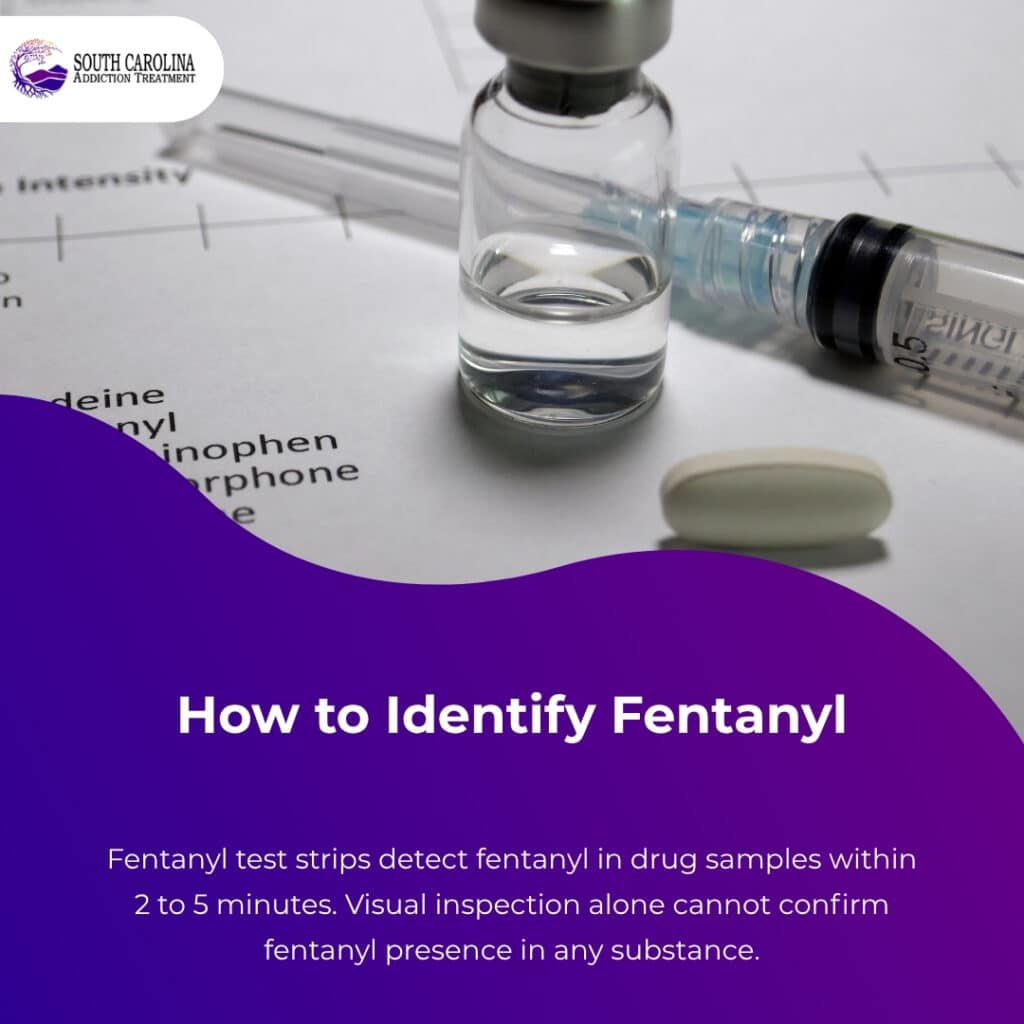
Visual inspection alone cannot reliably detect fentanyl. Chemical testing is the only method that confirms fentanyl presence.
Fentanyl Test Strips
Fentanyl test strips are the most accessible field-testing method:
- How they work: Immunoassay-based lateral flow strips detect fentanyl and many fentanyl analogs in dissolved drug samples. One line indicates positive (fentanyl detected); two lines indicate negative.
- Sensitivity: Test strips detect fentanyl at concentrations as low as 20 ng/mL, providing reliable detection for most fentanyl-contaminated samples.
- Limitations: Some fentanyl analogs (carfentanil, fluorofentanyl) may not trigger all test strip formulations. A negative result reduces but does not eliminate risk.
- Availability: Fentanyl test strips are available through harm reduction organizations, some pharmacies, and online retailers. SAMHSA endorses their distribution as an evidence-based overdose prevention tool.
Visual Warning Signs of Counterfeit Pills
While not definitive, certain visual indicators suggest a pill may be counterfeit:
- Inconsistent color: Mottled, speckled, or uneven coloring within a single tablet.
- Rough edges: Legitimate pharmaceutical tablets have smooth, uniform edges. Counterfeit pills frequently display rough, chipped, or uneven edges.
- Off-center imprints: Stamping that is crooked, shallow, or misaligned compared to reference images of legitimate tablets.
- Chalky texture: Counterfeit pills often crumble more easily than pharmaceutical-grade tablets, which have a smooth, hard-pressed surface.
Why Fentanyl Is So Dangerous
Fentanyl's danger derives from three converging factors: extreme potency, invisible presence in the drug supply, and a lethal dose threshold too small to see.
Extreme Potency
Fentanyl's pharmacological profile makes it the most dangerous common street drug:
- Potency comparison: Fentanyl is 50 to 100 times more potent than morphine and approximately 50 times more potent than heroin by weight. Two milligrams produces potentially fatal respiratory depression in an opioid-naive individual.
- Mu-opioid receptor affinity: Fentanyl binds to mu-opioid receptors with extreme affinity and crosses the blood-brain barrier within seconds due to high lipophilicity, producing near-instantaneous respiratory depression at supratherapeutic doses.
Invisible Contamination
Fentanyl enters the drug supply without the buyer's knowledge:
- Cross-contamination: Drug dealers handling both fentanyl and other substances inadvertently contaminate non-opioid drugs through shared equipment, surfaces, and packaging.
- Intentional adulteration: Some suppliers deliberately add fentanyl to heroin, cocaine, methamphetamine, and MDMA to increase potency or create repeat customers.
- Inconsistent mixing: Fentanyl does not distribute evenly through a batch of pills or powder. "Hot spots" (areas of concentrated fentanyl within an otherwise low-potency batch) produce fatal doses in random units.
Fentanyl Overdose Response
Suspected fentanyl exposure requires immediate emergency response.
Recognizing Overdose
The opioid overdose triad identifies fentanyl toxicity:
- Pinpoint pupils (miosis): Bilateral pupil constriction below 2mm.
- Respiratory depression or arrest: Slow, shallow, or absent breathing. Blue or gray skin discoloration around lips and fingertips.
- Unresponsiveness: Inability to wake or respond to verbal or physical stimulation.
Emergency Steps
Immediate actions save lives during fentanyl overdose:
- Call 911 immediately.
- Administer naloxone (Narcan): Intranasal naloxone 4 mg. If no response within 2 to 3 minutes, administer a second dose. Fentanyl frequently requires 2 to 3 doses of naloxone due to its extreme receptor affinity.
- Begin rescue breathing: If the person is not breathing, provide rescue breaths (one breath every 5 seconds) until emergency services arrive.
- Place in recovery position: If the person is breathing but unconscious, place them on their side to prevent aspiration.
Treatment at South Carolina Addiction Treatment
South Carolina Addiction Treatment provides medically supervised opioid detox and residential care for individuals with fentanyl dependence through its SCAT2Track program in Simpsonville, South Carolina.
Medical Detox (Track One)
Track One delivers 7-day medically supervised detoxification:
- Fentanyl withdrawal management: Licensed nursing and psychiatric staff administer symptom-targeted medications through 24-hour monitoring in a 16-bed CARF-accredited facility under the direction of Dr. Gergana Dimitrova, MD.
- MAT evaluation: The medical team evaluates each client for buprenorphine, naltrexone, and other medication-assisted treatment options.
"Many of the clients we admit for opioid detox have no idea they were using fentanyl. They purchased what they believed was oxycodone, heroin, or even cocaine, and their toxicology screen reveals fentanyl. That disconnect between what someone thinks they're taking and what they're actually ingesting is what makes this crisis so lethal."
— Sahil Talwar, PA-C, MBA, Medical Provider, South Carolina Addiction Treatment
Residential Treatment (Track Two)
Track Two extends care to 14 total days with structured clinical programming:
- Individualized therapy: Licensed counselors address the behavioral and psychological dimensions of opioid dependence through CBT, group therapy, and relapse prevention planning.
- Aftercare coordination: The clinical case manager connects graduating clients with PHP, IOP, and sober living programs.
Frequently Asked Questions
What does a fentanyl pill look like?
The most common counterfeit fentanyl pill is a small round blue tablet stamped with "M" on one side and "30" on the other, mimicking legitimate oxycodone 30 mg. Counterfeit fentanyl pills also appear as fake Xanax bars, Adderall tablets, and Percocet. No pill purchased outside a licensed pharmacy can be assumed fentanyl-free.
What does fentanyl look like in powder form?
Fentanyl powder ranges from pure white to off-white, cream, or light tan. It is fine and crystalline, similar in texture to powdered sugar. Fentanyl powder is visually identical to heroin, cocaine, or methamphetamine and cannot be identified by sight, smell, or taste alone.
What does a fentanyl overdose look like?
A fentanyl overdose presents as pinpoint pupils, slow or absent breathing, blue or gray skin discoloration (especially around the lips and fingertips), choking or gurgling sounds, limp body, and complete unresponsiveness. Administer naloxone (Narcan) immediately and call 911.
What does fentanyl look like in weed?
Fentanyl-laced cannabis is extremely rare but has been documented. Fentanyl applied to marijuana would be invisible because microgram quantities sufficient to produce overdose leave no visible residue, odor, or taste change on plant material. Fentanyl test strips can detect contamination in dissolved samples.
Can you tell if a pill has fentanyl in it by looking at it?
Visual inspection cannot reliably determine whether a pill contains fentanyl. Counterfeit pills are designed to appear identical to legitimate medications. The only reliable detection method is chemical testing using fentanyl test strips or laboratory analysis. The DEA advises that any pill not dispensed by a licensed pharmacy should be considered potentially lethal.
What color is fentanyl?
Fentanyl has no single color. Illicit fentanyl powder ranges from white to tan. Counterfeit pills appear in blue, white, green, yellow, and other colors mimicking legitimate medications. "Rainbow fentanyl" refers to brightly colored pills and powder used as a marketing tactic by drug traffickers.
How small is a lethal dose of fentanyl?
Two milligrams of fentanyl is potentially lethal for an opioid-naive individual. That amount is approximately the size of 5 to 7 grains of table salt. This extreme potency-to-lethality ratio is why fentanyl produces more overdose deaths than any other single substance in the United States.
What is the difference between fentanyl and carfentanil?
Carfentanil is a fentanyl analog approximately 100 times more potent than fentanyl and 10,000 times more potent than morphine. It is approved only for large animal sedation (elephants, bison) and has no human medical application. Carfentanil has been detected in seized drug samples and is lethal at microgram quantities even smaller than fentanyl.
References
- Drug Enforcement Administration. (2024). Fentanyl awareness: One pill can kill. U.S. Department of Justice. https://www.dea.gov/onepill
- National Institute on Drug Abuse. (2024). Fentanyl DrugFacts. National Institutes of Health. https://nida.nih.gov/publications/drugfacts/fentanyl
- Centers for Disease Control and Prevention. (2025). Drug overdose deaths in the United States, 2023-2024. NCHS Data Brief No. 549. https://www.cdc.gov/nchs/products/databriefs/db549.htm
- Substance Abuse and Mental Health Services Administration. (2024). Fentanyl test strips: A harm reduction strategy. https://www.samhsa.gov/
- Drug Enforcement Administration. (2024). Counterfeit pills fact sheet. U.S. Department of Justice. https://www.dea.gov/factsheets/counterfeit-pills
- U.S. Food and Drug Administration. (2024). Fentanyl transdermal system prescribing information.
- American Psychiatric Association. (2022). Diagnostic and statistical manual of mental disorders (5th ed., text rev.). American Psychiatric Publishing.
- Palamar, J. J., et al. (2022). Trends in seizures of powders and pills containing illicit fentanyl in the United States, 2018 through 2021. Drug and Alcohol Dependence, 234, 109398.