Cocaine Withdrawal: Symptoms, Timeline, and What to Expect
Cocaine withdrawal is the group of physical and psychological symptoms that appear when a regular user stops or sharply reduces cocaine use. Unlike alcohol or opioid withdrawal, it rarely causes dangerous physical symptoms. The hardest part is psychological.
When cocaine leaves the body, dopamine crashes. This produces intense fatigue, low mood, powerful cravings, and disturbed sleep. Symptoms can begin within hours of the last dose.
Most acute symptoms ease within one to two weeks, though cravings and low mood can linger for months. This guide explains the symptoms, timeline, effects, treatments, and when medical supervision matters.
Key Takeaways
- Cocaine withdrawal is not usually physically life-threatening, but it carries a real risk of severe depression and suicidal thoughts.
- Withdrawal follows three recognized phases: the crash, the acute withdrawal phase, and the extinction phase.
- An estimated 1.8 percent of people aged 12 or older, about 5.0 million Americans, used cocaine in the past year, according to SAMHSA’s 2023 National Survey on Drug Use and Health.
- Cocaine-involved overdose deaths reached 29,449 in 2023, a rate of 8.6 per 100,000 and an 85 percent rise since 2019, based on CDC WONDER data reported by NIDA.
- No medication is FDA-approved for cocaine withdrawal, so supervised, supportive care and behavioral treatment remain the standard approach.
What Is Cocaine Withdrawal?
Cocaine withdrawal happens after the body adapts to regular cocaine and then loses it. This physical dependence means the brain has adjusted to the drug’s constant presence. Removing cocaine triggers a rebound of uncomfortable symptoms.
Withdrawal can follow a single binge or long-term daily use. Some people use episodically, staying awake for days at a time. Others use cocaine every day. Both patterns can produce withdrawal symptoms once use stops.
What Are the Symptoms of Cocaine Withdrawal?
Cocaine withdrawal symptoms are mainly psychological rather than physical. The clinical criteria require a dysphoric mood plus two or more physical or behavioral changes after stopping use.
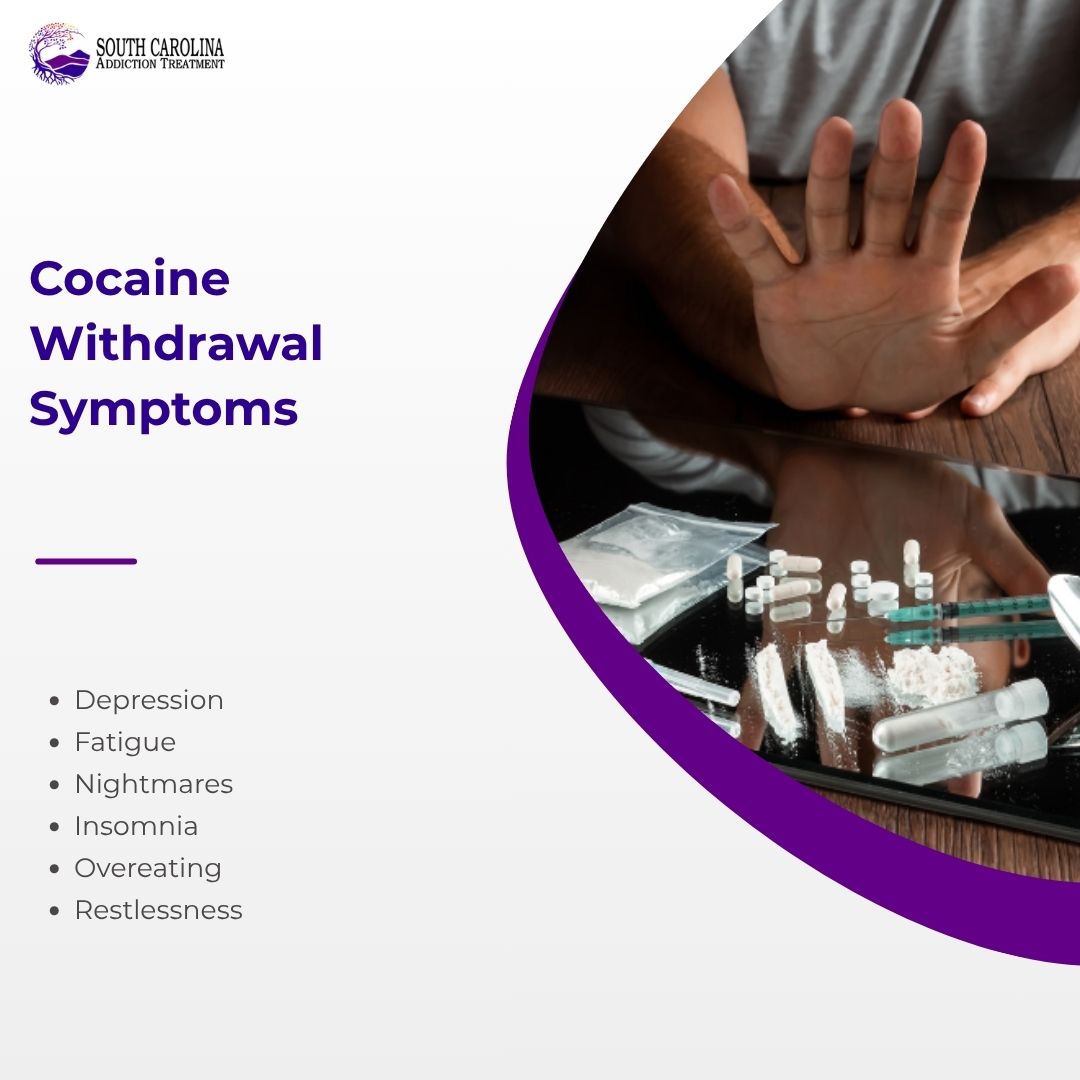
Core signs of cocaine withdrawal include:
- Depressed or dysphoric mood
- Fatigue and low energy
- Vivid, unpleasant dreams
- Insomnia or excessive sleeping
- Increased appetite
- Slowed movement or, in some people, agitation and restlessness
Other common effects include anxiety, irritability, poor concentration, anhedonia, and strong cravings. Some people experience paranoia or lingering psychotic symptoms after heavy use. The intensity of these symptoms varies with dose, frequency, and health.
What Is the Timeline for Cocaine Withdrawal?
Cocaine has a short half-life, so withdrawal starts quickly. Researchers describe three phases: the crash, the withdrawal phase, and the extinction phase. Acute symptoms usually peak in the first several days and settle within one to two weeks. Some people develop protracted symptoms that affect mood and energy for months. The table below outlines each stage.
| Phase | Timeframe | What happens |
|---|---|---|
| Crash | Onset within hours of the last use, lasting up to about 3 days | Sudden exhaustion, heavy sleep, increased appetite, low mood, and intense cravings as dopamine drops. |
| Withdrawal (acute) | Roughly 1 to 10 weeks | Depression, anxiety, irritability, poor sleep, difficulty concentrating, and cue-driven cravings that come and go. |
| Extinction | Up to about 28 weeks | Occasional cravings triggered by people or places, plus intermittent low mood. Symptoms fade over time. |
What Factors Affect Cocaine Withdrawal?
No two people experience withdrawal the same way. Several factors shape how severe symptoms feel and how long they last. Understanding them helps set realistic expectations for the days ahead.
Key factors that influence cocaine withdrawal include:
- How much cocaine was used, and how often, over what length of time
- The method of use, since smoking crack or injecting produces faster, more intense crashes
- Use of other substances, especially alcohol, opioids, or benzodiazepines
- Co-occurring mental health conditions such as depression or anxiety
- Overall physical health, nutrition, and sleep quality
- The person’s environment, stress level, and available support
Is Cocaine Withdrawal Dangerous?
Cocaine withdrawal does not usually produce the seizures or life-threatening physical crisis seen with alcohol or benzodiazepine withdrawal. It has no visible physical signs like the vomiting and shaking of opioid withdrawal.
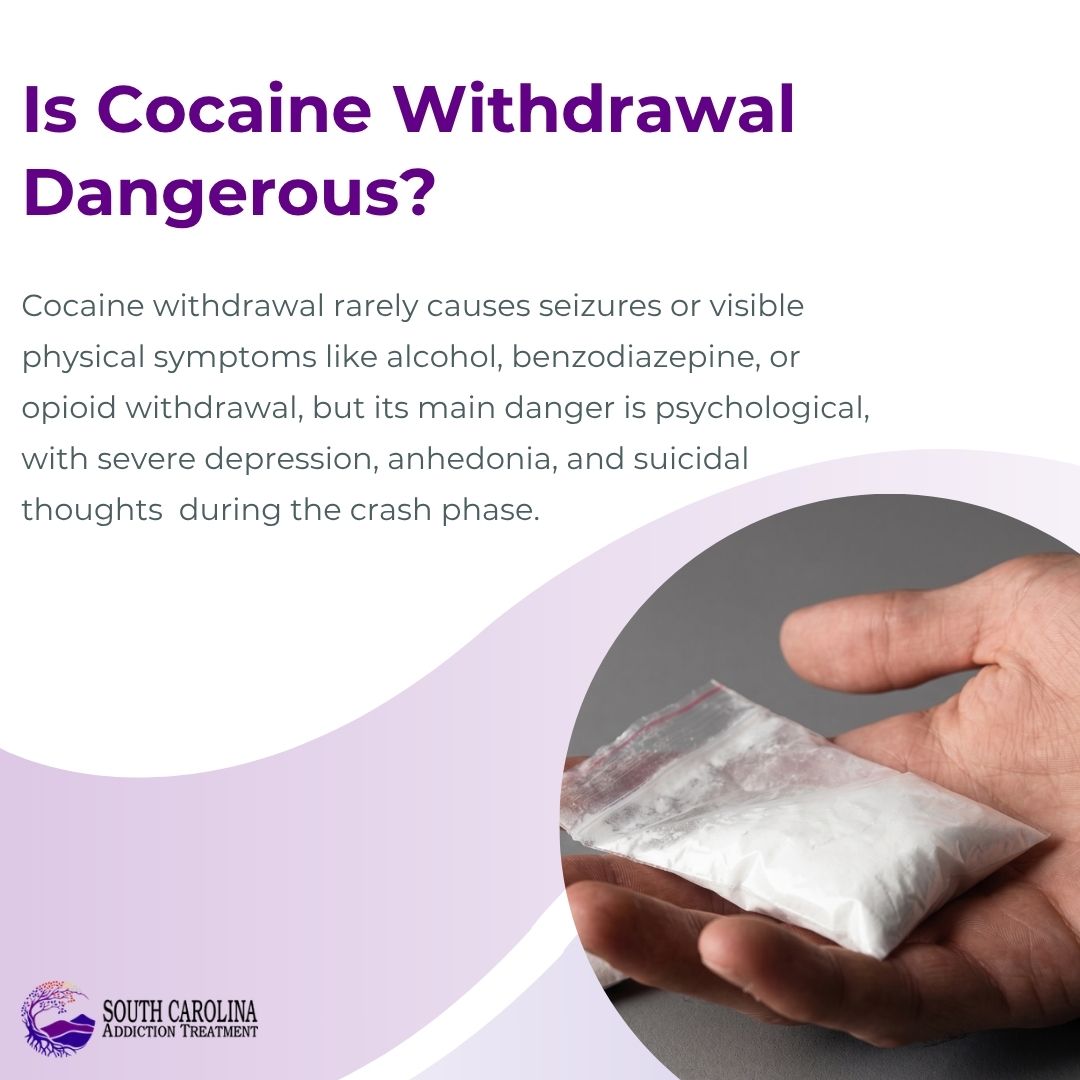
The main danger is psychological. Severe depression, anhedonia, and suicidal thoughts can emerge, especially during the crash and acute phase. Cravings also drive relapse and raise the risk of overdose if a person returns to use.
Coke Flu and Physical Effects
Some people feel like they have a bad case of the flu while coming down. This "coke flu" can include body aches, chills, a runny nose, fatigue, and general discomfort.
Snorting cocaine tightens blood vessels in the nose. When the drug wears off, those vessels widen again, which causes congestion and cold-like symptoms. These physical effects are uncomfortable but not typically dangerous.
How to Come Down From Cocaine Safely
There is no way to instantly clear cocaine from the body. The safest approach is rest, hydration, and time while the drug is metabolized. A calm, quiet environment helps.
Practical steps include drinking water or electrolyte fluids, eating balanced meals, and sleeping as much as the body needs. Avoid alcohol, caffeine, and more cocaine, since these worsen strain and dehydration.
Combining cocaine with alcohol creates cocaethylene, a compound more toxic to the heart than either substance alone. Chest pain, trouble breathing, or seizures are emergencies that require calling 911.
How Long Does It Take for Dopamine to Reset After Cocaine?
Cocaine blocks the dopamine transporter, flooding the brain with dopamine. Over time the brain reduces its own dopamine signaling. When cocaine stops, this leaves people feeling flat and unmotivated.
Recovery is gradual and varies by person. Imaging research by Volkow and colleagues found that dopamine D2 receptor availability in cocaine users stayed reduced for 3 to 4 months after detoxification. There is no exact "reset" date, and healing continues over months of sustained abstinence.
What Is Cocaine Washout Syndrome?
Cocaine washout, sometimes called the crash, is a post-toxicity state after heavy stimulant use. The body’s excitatory chemicals are depleted, and the person returns to baseline without specific treatment.
A rarer and more severe form, cocaine washout syndrome, has been reported in a small number of medical cases. It involves brief unresponsiveness thought to reflect depletion of adrenergic neurotransmitters, and it typically resolves with supportive care.
Why Medically Supervised Withdrawal Is Important?
Because the greatest risks are psychological, professional monitoring during the early days protects against the most serious outcomes. Trained staff watch for deepening depression, suicidal thinking, and medical complications from prior heavy use.
Supervised care also reduces relapse. Cravings peak when a person feels worst, and returning to cocaine after a break sharply raises overdose risk. A structured setting removes access and provides support when willpower alone is not enough.
At South Carolina Addiction Treatment, a family owned and CARF accredited facility in Greenville County, medically supervised detox pairs round-the-clock nursing with an on-site clinical team. You can review what happens during a supervised cocaine detox before you arrive.
What Medications Are Used During Cocaine Withdrawal?
No medication is currently FDA-approved to treat cocaine withdrawal or cocaine use disorder. Care focuses on comfort, safety, and managing specific symptoms as they appear rather than on a single withdrawal drug.
Clinicians may use supportive medications to ease particular problems, such as short-term sleep aids for insomnia or antidepressants for persistent low mood. Researchers have studied off-label agents like modafinil, topiramate, and disulfiram, though none is established as a standard treatment.
Any medication decision belongs to a licensed prescriber who reviews the person’s full history. Self-medicating with alcohol or other drugs during withdrawal is unsafe and can worsen both symptoms and long-term outcomes.
Treatments Available for Cocaine Withdrawal
Withdrawal is the first step, not the whole solution. Because cocaine dependence is driven by changes in the brain’s reward system, lasting recovery usually needs continued care after the acute phase ends.
Common levels of care in a treatment continuum include:
- Medical detox: short-term supervised stabilization through the crash and acute withdrawal.
- Residential or inpatient care: structured, live-in support that builds early recovery skills.
- Partial hospitalization program (PHP): daytime clinical programming with evenings at home.
- Intensive outpatient program (IOP): several sessions per week around work or family.
- Outpatient treatment: ongoing counseling that maintains progress over time.
South Carolina Addiction Treatment offers a 7-day medical detox and a 14-day track that adds residential stabilization, and same-day admissions are available once benefits are verified through SCAT’s admissions team. Its cocaine addiction treatment connects each client to the right next step.
References
- Regina, A. C., Gokarakonda, S. B., & Attia, F. N. (2024). Withdrawal syndromes. StatPearls. NIH
- A.D.A.M. (2025). Cocaine withdrawal. MedlinePlus Medical Encyclopedia. Medlineplus
- National Institute on Drug Abuse. (2025). Drug overdose deaths: Facts and figures.
- Substance Abuse and Mental Health Services Administration. (2024). Key substance use and mental health indicators in the United States: Results from the 2023 National Survey on Drug Use and Health. SAMHSA
- Volkow, N. D., Fowler, J. S., Wang, G. J., Hitzemann, R., Logan, J., Schlyer, D. J., Dewey, S. L., & Wolf, A. P. (1993). Decreased dopamine D2 receptor availability is associated with reduced frontal metabolism in cocaine abusers. Synapse, 14(2), 169-177.
- Roberts, J. R., & Greenberg, M. I. (2000). Cocaine washout syndrome. Annals of Internal Medicine, 132(8), 679-680.