What Is Cocaine Addiction?
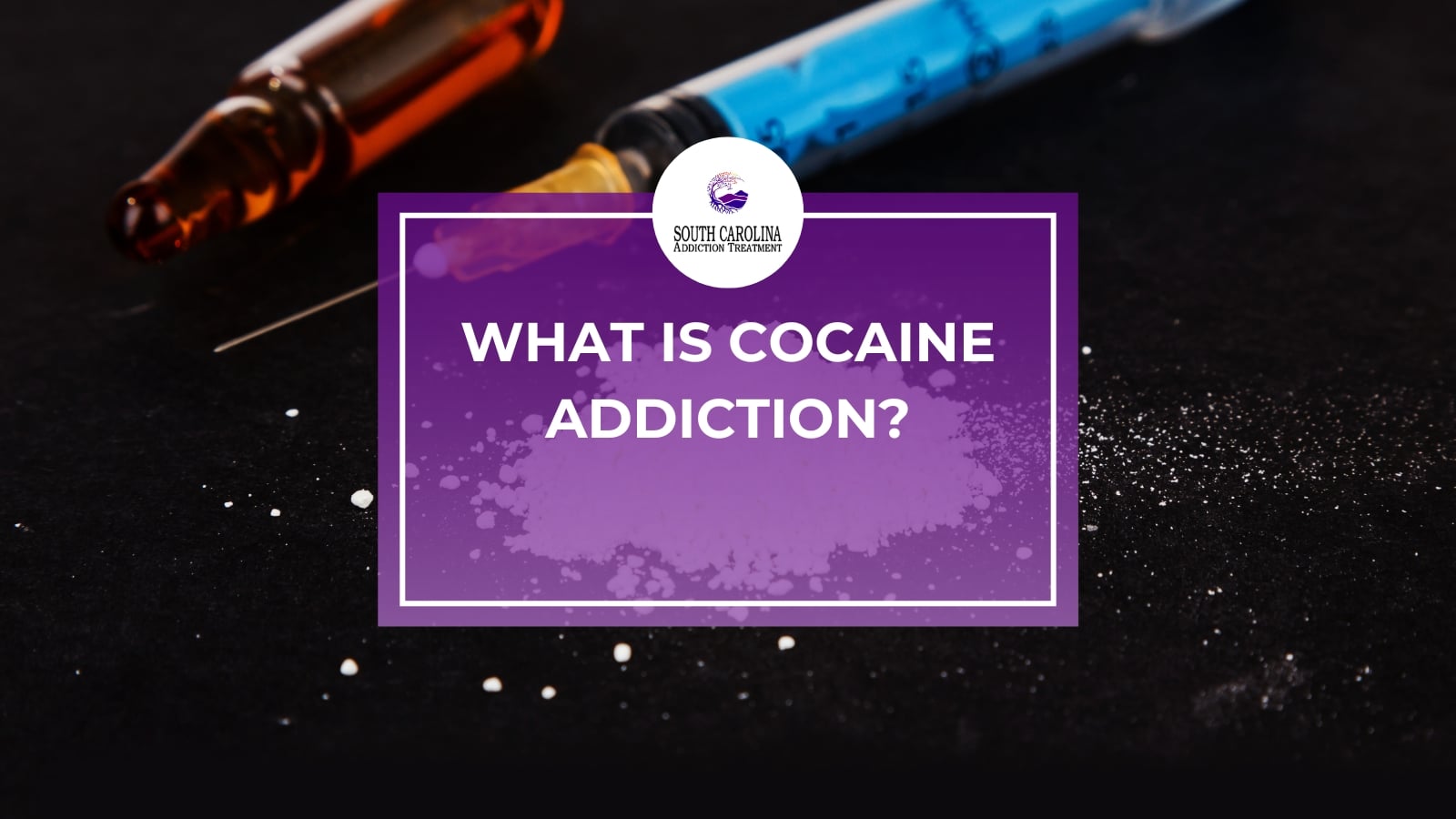
Cocaine addiction is caused by a powerful central nervous system stimulant, cocaine, that is extracted from the leaves of the coca plant (Erythroxylum coca).
It produces intense but short-lived euphoria by flooding the brain's reward circuitry with dopamine. The DEA classifies cocaine as a Schedule II controlled substance with limited medical use as a topical anesthetic and high potential for misuse and addiction.
Cocaine is the second most trafficked illicit drug worldwide and the second most common cause of drug overdose deaths in the United States after fentanyl. According to CDC data, cocaine was involved in 29,449 overdose deaths in 2023.
Whether snorted, smoked, or injected, cocaine produces rapid cardiovascular, neurological, and psychological effects that escalate with every use.
Key Takeaways
- According to SAMHSA's 2023 National Survey on Drug Use and Health, approximately 4.3 million Americans aged 12 or older used cocaine in the past year, with approximately 1.4 million meeting diagnostic criteria for Cocaine Use Disorder.
- Cocaine blocks the dopamine transporter (DAT) in the nucleus accumbens, preventing dopamine reuptake and producing a surge of synaptic dopamine that is 3 to 5 times higher than natural reward stimuli.
- According to the CDC, cocaine was involved in 29,449 overdose deaths in the United States in 2023, with the majority of those deaths also involving synthetic opioids (primarily fentanyl).
- A single dose of cocaine elevates heart rate by 30 to 50 beats per minute and systolic blood pressure by 15 to 20 mmHg, creating immediate cardiovascular emergency risk even in young, healthy individuals.
- Crack cocaine (the freebase form) reaches the brain within 8 to 10 seconds of inhalation compared to 3 to 5 minutes for intranasal cocaine, producing a more intense but shorter euphoria that drives more compulsive redosing patterns.
How Cocaine Works in the Brain
Cocaine produces its effects by blocking monoamine reuptake transporters in the central nervous system, with its primary pharmacological action targeting the dopamine transporter (DAT) in the brain's mesolimbic reward pathway.
Dopamine Transporter Blockade
Cocaine's reinforcing properties derive from its mechanism at the dopamine synapse:
- DAT inhibition: Cocaine binds to the dopamine transporter protein on presynaptic neurons, physically blocking the reuptake of dopamine from the synaptic cleft. This produces a rapid accumulation of dopamine in the nucleus accumbens, the brain's primary reward center.
- Supraphysiological dopamine levels: Natural rewards (food, social interaction) produce modest dopamine increases of 50 to 100% above baseline. Cocaine produces increases of 300 to 500% above baseline, overwhelming the reward circuitry and producing intense euphoria.
- Norepinephrine and serotonin blockade: Cocaine simultaneously blocks the norepinephrine transporter (NET) and serotonin transporter (SERT), producing the sympathomimetic cardiovascular effects and mood elevation that accompany dopamine-driven euphoria.
Reward Pathway Reinforcement
Repeated cocaine exposure produces progressive neuroadaptation in the reward circuitry:
- Sensitization and tolerance: The mesolimbic dopamine pathway develops both sensitization (increased response to cocaine-associated cues) and tolerance (decreased euphoric response to the drug itself) simultaneously, driving compulsive use patterns.
- Dopamine receptor downregulation: Chronic cocaine exposure reduces dopamine D2 receptor density in the striatum, producing the anhedonia (inability to feel pleasure from normal activities), motivational deficits, and depressed mood that characterize cocaine withdrawal.
- Glutamate dysregulation: Researcher Peter Kalivas identified glutamatergic dysregulation in the prefrontal cortex-to-nucleus accumbens pathway as a primary driver of cocaine relapse, demonstrating that cocaine produces lasting changes in excitatory signaling that persist long after active use stops.
Forms of Cocaine
Cocaine exists in two primary forms that differ in chemical composition, route of administration, onset speed, and addiction potential.
Powder Cocaine (Cocaine Hydrochloride)
Powder cocaine is the water-soluble salt form used intranasally and intravenously:
- Appearance: Fine white crystalline powder, sometimes off-white or yellowish depending on cutting agents and purity. Street cocaine purity in the United States averages 40 to 60%, according to DEA seizure analysis.
- Routes of administration: Snorted (intranasal insufflation) is the most common route. Powder cocaine dissolves in water for intravenous injection, which produces the fastest onset and highest overdose risk.
- Onset and duration: Intranasal cocaine reaches peak plasma concentration in 15 to 30 minutes with effects lasting 30 to 60 minutes. Intravenous injection produces effects within 15 to 30 seconds lasting 15 to 30 minutes.
- Common cutting agents: Levamisole (veterinary deworming agent, found in approximately 70% of U.S. cocaine supply), lidocaine, benzocaine, caffeine, and inositol.
Crack Cocaine (Freebase Cocaine)
Crack cocaine is the smokable freebase form produced by converting cocaine hydrochloride with baking soda or ammonia:
- Appearance: Off-white or yellowish rocks or crystalline chunks that produce a crackling sound when heated, giving the drug its name.
- Onset and duration: Smoked crack reaches the brain within 8 to 10 seconds, producing an intense but extremely short-lived euphoria lasting only 5 to 10 minutes. This compressed cycle of intense reward followed by rapid crash drives the compulsive redosing pattern that makes crack cocaine among the most psychologically addictive substances.
- Pharmacological equivalence: Crack and powder cocaine contain the same active molecule (benzoylmethylecgonine). The difference in addiction trajectory is driven entirely by the speed of onset, not chemical difference.
Pink Cocaine (Tusi)
Pink cocaine is a synthetic drug blend that typically contains no actual cocaine:
- Misleading name: Despite the name, pink cocaine (tusi or tucibi) is not derived from the coca plant. It typically contains a mixture of ketamine, MDMA, and sometimes 2C-B (a synthetic phenethylamine), along with food coloring.
- Variable composition: The contents vary wildly between batches with no standardization. Fentanyl contamination has been documented in pink cocaine samples, introducing potentially lethal opioid exposure to users who believe they are taking a stimulant.
Where Cocaine Comes From
Cocaine originates from the coca plant, which grows primarily in the Andean regions of South America.
Coca Plant Cultivation
The coca plant (Erythroxylum coca) has been cultivated for thousands of years:
- Geographic origin: Colombia, Peru, and Bolivia produce virtually all of the world's coca leaf supply. Colombia alone accounts for approximately 70% of global cocaine production, according to the United Nations Office on Drugs and Crime.
- Traditional use: Indigenous Andean populations have chewed coca leaves for centuries for mild stimulant effects, altitude sickness relief, and ceremonial purposes. The cocaine alkaloid concentration in raw coca leaves is approximately 0.5 to 1%, producing effects far milder than processed cocaine.
From Leaf to Street
The cocaine production process involves multiple chemical extraction steps:
- Coca paste extraction: Leaves are soaked in gasoline or kerosene and mixed with sulfuric acid to extract crude coca paste containing 40 to 90% cocaine sulfate.
- Cocaine base refinement: Coca paste is treated with potassium permanganate and ammonia to produce cocaine base.
- Hydrochloride conversion: Cocaine base is dissolved in acetone or ether and treated with hydrochloric acid to produce cocaine hydrochloride, the fine white powder sold on the street.
- Trafficking routes: The DEA identifies Colombia, Mexico, and Central American corridors as the primary trafficking routes into the United States.
Side Effects and Health Risks of Cocaine
Cocaine produces immediate cardiovascular, neurological, and psychological effects that escalate with dose, frequency, and route of administration.
Common Side Effects
Expected effects at typical recreational doses reflect sympathomimetic nervous system activation:
- Euphoria and increased energy: Dopamine surge in the nucleus accumbens produces intense but short-lived feelings of confidence, alertness, and invincibility lasting 15 to 60 minutes depending on the route.
- Elevated heart rate and blood pressure: Norepinephrine reuptake inhibition activates cardiac beta-1 adrenergic receptors, producing tachycardia (30 to 50 bpm increase) and hypertension (15 to 20 mmHg systolic increase) with every dose.
- Dilated pupils (mydriasis): Sympathetic nervous system activation produces pupil dilation that is one of the most visible physical signs of stimulant intoxication.
- Decreased appetite and insomnia: Catecholamine elevation suppresses hunger signals and disrupts sleep architecture for 6 to 12 hours after use.
Severe and Life-Threatening Effects
Severe cocaine effects represent medical emergencies:
- Myocardial infarction (heart attack): Cocaine produces coronary artery vasospasm, accelerated atherosclerosis, and increased platelet aggregation. The American Heart Association identifies cocaine as the most common cause of drug-related myocardial infarction in adults under 45.
- Stroke: Cocaine-induced hypertensive crisis ruptures cerebral blood vessels, producing hemorrhagic stroke. Cocaine also increases ischemic stroke risk through vasospasm and thrombosis.
- Cocaine-induced psychosis: High-dose or binge cocaine use triggers paranoid delusions, auditory and visual hallucinations, and aggressive behavior clinically resembling acute schizophrenia. Psychosis resolves within hours to days of cessation in most cases.
- Seizures: Cocaine lowers the seizure threshold through direct cortical excitation. Tonic-clonic seizures occur at high doses and are a recognized precursor to cocaine-related sudden death.
- Hyperthermia: Cocaine disrupts thermoregulatory function, producing dangerous core temperature elevation that contributes to rhabdomyolysis and multiorgan failure.
Long-Term Health Consequences
Chronic cocaine use produces cumulative organ damage:
- Cardiovascular remodeling: Chronic cocaine exposure accelerates coronary atherosclerosis, produces left ventricular hypertrophy, and causes dilated cardiomyopathy (weakened heart muscle) that persists beyond active use.
- Nasal destruction: Intranasal cocaine produces progressive damage from mucosal irritation through septal perforation to complete saddle nose collapse (cocaine-induced midline destructive lesion).
- Dopaminergic downregulation: Chronic dopamine transporter blockade produces lasting reduction in striatal D2 receptor density, generating persistent anhedonia, cognitive impairment, and motivational deficits that require months of abstinence to partially normalize.
- Cocaine Use Disorder: The DSM-5-TR classifies persistent cocaine use despite harmful consequences as Stimulant Use Disorder (cocaine type). SAMHSA estimates approximately 1.4 million Americans met criteria for Cocaine Use Disorder in 2023.
Cocaine vs. Crack: Key Differences
Cocaine hydrochloride (powder) and crack cocaine (freebase) contain the same active molecule but produce different clinical profiles due to route of administration.
| Factor | Powder Cocaine | Crack Cocaine |
|---|---|---|
| Chemical form | Cocaine hydrochloride (salt) | Freebase cocaine |
| Route | Snorted or injected | Smoked |
| Onset | 3 to 5 minutes (snorted); 15 to 30 seconds (IV) | 8 to 10 seconds |
| Duration | 30 to 60 minutes | 5 to 10 minutes |
| Euphoria intensity | Moderate to high | Very high (rapid peak) |
| Redosing compulsion | Moderate | Very high (crash drives immediate redosing) |
| DEA Schedule | Schedule II | Schedule II |
Is Cocaine an Opioid?
Cocaine is not an opioid. Cocaine is a tropane alkaloid stimulant that blocks monoamine reuptake transporters (DAT, NET, SERT). Opioids are a separate drug class that binds to mu-opioid receptors.
Why the Confusion Exists
The cocaine-opioid question arises because of the fentanyl contamination crisis:
- Fentanyl-laced cocaine: An increasing proportion of cocaine overdose deaths involve co-occurring fentanyl exposure. In 2023, the majority of cocaine-involved overdose deaths also tested positive for synthetic opioids, according to CDC multiple cause-of-death data.
- Different mechanisms, compounding danger: Cocaine produces stimulant effects (tachycardia, hypertension). Fentanyl produces opioid effects (respiratory depression, sedation). The combination masks overdose warning signs because the stimulant effects temporarily counteract the sedation, then wear off first, leaving unopposed respiratory depression.
- Narcan response: Naloxone (Narcan) reverses the opioid component of a fentanyl-contaminated cocaine overdose but has no effect on cocaine's cardiovascular toxicity. Both threats require emergency medical response.
How Long Does Cocaine Stay in Your System?
Cocaine detection windows vary by test type, with urine testing offering the most practical detection range for clinical and workplace screening.
| Test Type | Detection Window | Key Variable |
|---|---|---|
| Urine | 2 to 4 days (up to 14 for heavy use) | Frequency, dose, liver function |
| Blood | 12 to 24 hours | Time since last dose |
| Saliva | 1 to 2 days | Oral pH, hydration |
| Hair | Up to 90 days | Hair length, chemical treatment |
Cocaine Metabolism
The liver processes cocaine through a rapid metabolic pathway:
- Primary metabolite: Hepatic carboxylesterases convert cocaine into benzoylecgonine, the primary metabolite and the target of standard immunoassay drug screening. Benzoylecgonine has a half-life of 5 to 8 hours, significantly longer than cocaine's 1-hour parent drug half-life.
- Cocaethylene: When cocaine is used concurrently with alcohol, the liver produces cocaethylene, a unique metabolite that has its own pharmacological activity and extends the detection window. Cocaethylene increases cardiovascular toxicity beyond either substance alone.
- Heavy use accumulation: Chronic daily cocaine users accumulate benzoylecgonine in tissue, extending urine detection to 10 to 14 days after last use.
Cocaine Withdrawal Timeline
Cocaine withdrawal is primarily psychological rather than physically dangerous, but symptoms can be severe and protracted.
- Phase 1: Crash (6 to 24 hours): Extreme fatigue, hypersomnia, increased appetite, depressed mood, and irritability emerge as dopamine levels plummet after binge cessation.
- Phase 2: Acute Withdrawal (1 to 7 days): Intense cravings, anhedonia, anxiety, difficulty concentrating, and vivid unpleasant dreams characterize the acute phase. Depression may be severe enough to require psychiatric monitoring.
- Phase 3: Protracted Withdrawal (1 to 4 weeks): Cravings gradually diminish but recur intermittently, particularly in response to environmental triggers. Motivational deficits and emotional blunting persist as D2 receptor density slowly recovers.
- Phase 4: Post-Acute (1 to 6 months): Intermittent cravings, residual anhedonia, and heightened sensitivity to cocaine-associated cues characterize the post-acute phase. This phase is the highest-risk period for relapse and the primary reason sustained treatment engagement is critical.
Treatment for Cocaine Addiction
Cocaine addiction treatment relies on behavioral therapies as the primary intervention because no FDA-approved medication currently exists specifically for Cocaine Use Disorder.
Evidence-Based Behavioral Therapies
Behavioral interventions are the standard of care for cocaine dependence:
- Cognitive behavioral therapy (CBT): Developed by Aaron Beck, CBT identifies and restructures the cognitive distortions and automatic thought patterns that trigger cocaine-seeking behavior. CBT produces the strongest long-term relapse prevention evidence among behavioral therapies for stimulant use disorders.
- Contingency management (CM): Uses voucher-based or prize-based reinforcement for verified cocaine-negative urine samples. Contingency management produces the strongest short-term treatment retention outcomes of any behavioral intervention for cocaine dependence, according to NIDA research.
- Community reinforcement approach (CRA): Restructures the patient's social, occupational, and recreational environment to make abstinence more rewarding than cocaine use.
Pharmacological Approaches
No medication has FDA approval for Cocaine Use Disorder, but several are used off-label or under investigation:
- Disulfiram: Originally approved for Alcohol Use Disorder, disulfiram inhibits dopamine beta-hydroxylase, altering cocaine's subjective effects. Clinical trials demonstrate reduced cocaine use in some populations.
- Topiramate: This anticonvulsant shows promise in reducing cocaine use through glutamatergic modulation and GABA enhancement.
- Cocaine vaccine (TA-CD): An investigational immunotherapy that stimulates antibodies to bind cocaine molecules in the bloodstream before they cross the blood-brain barrier. Phase III trials are ongoing.
- N-acetylcysteine (NAC): This glutamate-modulating supplement shows preliminary evidence for reducing cocaine cravings by normalizing glutamate signaling in the prefrontal cortex-to-nucleus accumbens pathway.
Treatment at South Carolina Addiction Treatment
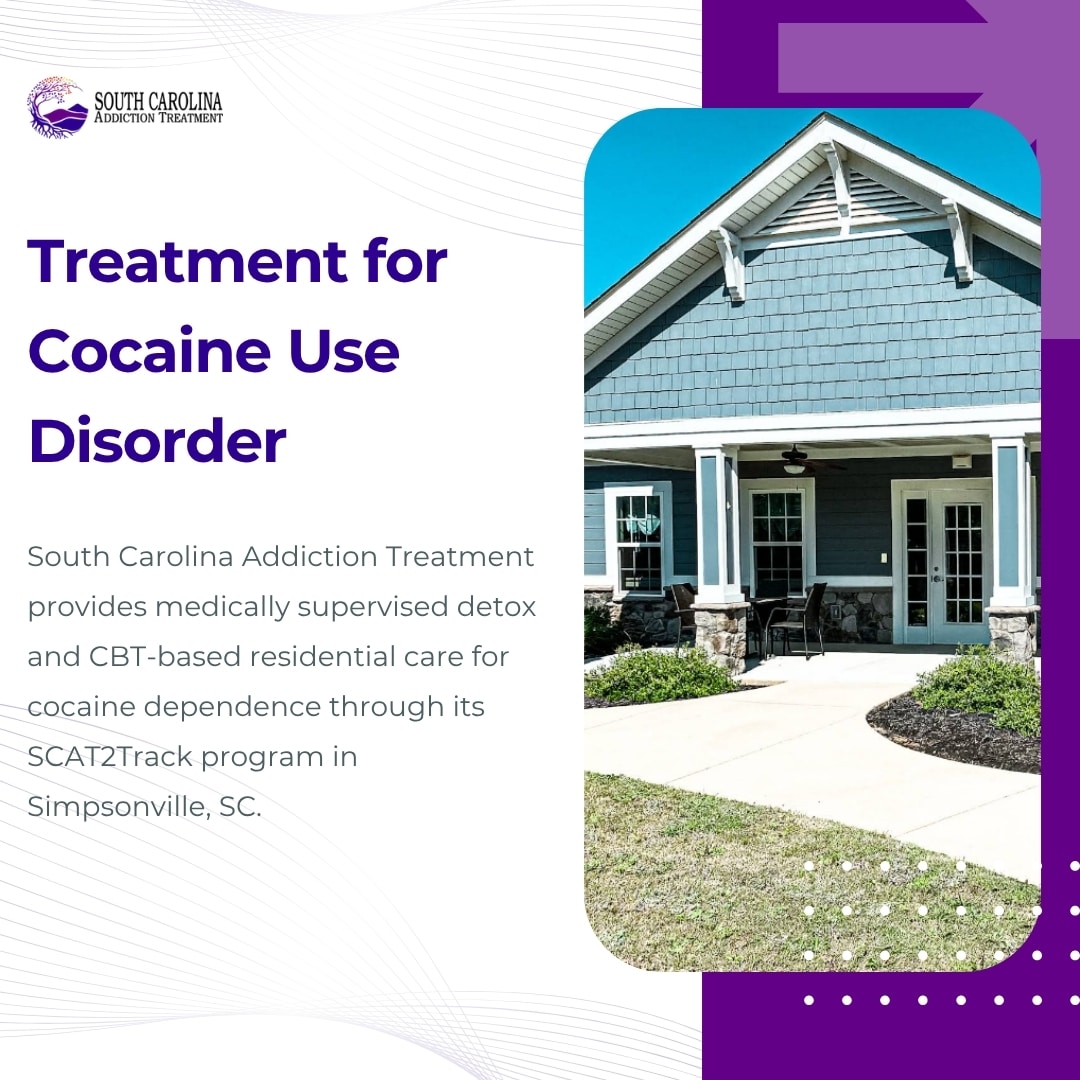
South Carolina Addiction Treatment provides medically supervised detox and residential care for individuals with Cocaine Use Disorder through its SCAT2Track program in Simpsonville, South Carolina.
Medical Detox (Track One)
Track One delivers 7-day medically supervised stabilization for cocaine withdrawal:
- Crash phase management: Licensed nursing staff monitor the acute stimulant crash including hypersomnia, depressed mood, and psychomotor agitation through 24-hour observation in a 16-bed CARF-accredited facility.
- Psychiatric monitoring: The medical team led by Dr. Gergana Dimitrova, MD evaluates for co-occurring depressive symptoms and suicidal ideation during the acute withdrawal phase, when cocaine-related depression peaks.
"The crash phase of cocaine withdrawal produces some of the most severe depressive episodes we see in our facility. Clients frequently describe complete inability to feel pleasure or motivation in the first 48 to 72 hours. Our nursing team monitors mood and safety around the clock during this critical window."
— Pam DeHart, MA, LPC, LAC, ADC, Clinical Supervisor, South Carolina Addiction Treatment
Residential Treatment (Track Two)
Track Two extends care to 14 total days with structured clinical programming:
- Individualized therapy: Licensed counselors address the psychological and behavioral dimensions of cocaine dependence through individual sessions, cognitive behavioral therapy, group therapy, and relapse prevention planning.
- Aftercare coordination: The clinical case manager connects graduating clients with PHP, IOP, and sober living programs to maintain treatment continuity.
Frequently Asked Questions
What is cocaine originally used for?
Cocaine was originally used as a local anesthetic in ophthalmic and dental surgery in the 1880s after Karl Koller demonstrated its nerve-blocking properties. Sigmund Freud initially promoted cocaine as a treatment for depression and morphine addiction before its addictive properties became apparent. Cocaine remains FDA-approved as a topical anesthetic for specific ENT procedures.
What are the side effects of cocaine?
Cocaine produces elevated heart rate, increased blood pressure, dilated pupils, decreased appetite, insomnia, euphoria, and increased energy at recreational doses. Severe effects include myocardial infarction, stroke, seizures, cocaine-induced psychosis, and hyperthermia. Chronic use produces nasal destruction, cardiovascular disease, dopaminergic downregulation, and Cocaine Use Disorder.
Is cocaine a narcotic drug?
Legally, yes. The DEA classifies cocaine as a Schedule II narcotic under the Controlled Substances Act. Pharmacologically, cocaine is a stimulant, not a narcotic. The term "narcotic" in legal contexts encompasses both opioids and coca-derived substances, while the medical definition restricts "narcotic" to opioid drugs that produce sedation and analgesia.
Is cocaine an opioid?
Cocaine is not an opioid. Cocaine is a tropane alkaloid stimulant that blocks dopamine, norepinephrine, and serotonin reuptake transporters. Opioids bind to mu-opioid receptors. However, fentanyl contamination of the cocaine supply means many cocaine users are unknowingly exposed to opioids, contributing to the rising cocaine-involved overdose death count.
Is cocaine addictive?
Cocaine is highly addictive. It produces Stimulant Use Disorder (cocaine type) in the DSM-5-TR when use continues despite clinically significant impairment. SAMHSA estimates approximately 1.4 million Americans met diagnostic criteria for Cocaine Use Disorder in 2023. Crack cocaine carries higher addiction risk than powder due to its faster onset and more intense reward-crash cycle.
How long does cocaine stay in your system?
Cocaine stays detectable in urine for 2 to 4 days after single use and up to 14 days after heavy chronic use. The primary metabolite benzoylecgonine has a half-life of 5 to 8 hours. Blood detection lasts 12 to 24 hours, saliva 1 to 2 days, and hair up to 90 days.
What is the difference between crack and cocaine?
Crack cocaine is the freebase form of cocaine hydrochloride, produced by heating powder cocaine with baking soda or ammonia. The same active molecule is present in both forms. Crack is smoked, reaching the brain in 8 to 10 seconds with intense 5 to 10 minute euphoria. Powder cocaine is snorted, reaching the brain in 3 to 5 minutes with effects lasting 30 to 60 minutes.
What is the number one abused drug in the US?
Alcohol is the most commonly misused substance in the United States, with approximately 29.5 million Americans meeting criteria for Alcohol Use Disorder in 2023 according to SAMHSA. Among illicit drugs, marijuana is the most widely used, followed by prescription stimulant misuse and cocaine.
References
- Drug Enforcement Administration. (2024). Cocaine drug fact sheet. U.S. Department of Justice. https://www.dea.gov/factsheets/cocaine
- National Institute on Drug Abuse. (2024). Cocaine DrugFacts. National Institutes of Health. https://nida.nih.gov/publications/drugfacts/cocaine
- Substance Abuse and Mental Health Services Administration. (2024). Key substance use and mental health indicators in the United States: Results from the 2023 NSDUH. https://www.samhsa.gov/data/report/2023-nsduh-annual-national-report
- Centers for Disease Control and Prevention. (2024). Drug overdose deaths in the United States, 2003-2023. NCHS Data Brief No. 522. https://www.cdc.gov/nchs/products/databriefs/db522.htm
- Kalivas, P. W. (2009). The glutamate homeostasis hypothesis of addiction. Nature Reviews Neuroscience, 10(8), 561-572.
- American Heart Association. (2023). Cocaine, methamphetamine, and the heart. AHA Scientific Statement.
- American Psychiatric Association. (2022). Diagnostic and statistical manual of mental disorders (5th ed., text rev.). American Psychiatric Publishing.
- Ciccarone, D. (2021). The rise of illicit fentanyls, stimulants and the fourth wave of the opioid overdose crisis. Current Opinion in Psychiatry, 34(4), 344-350.